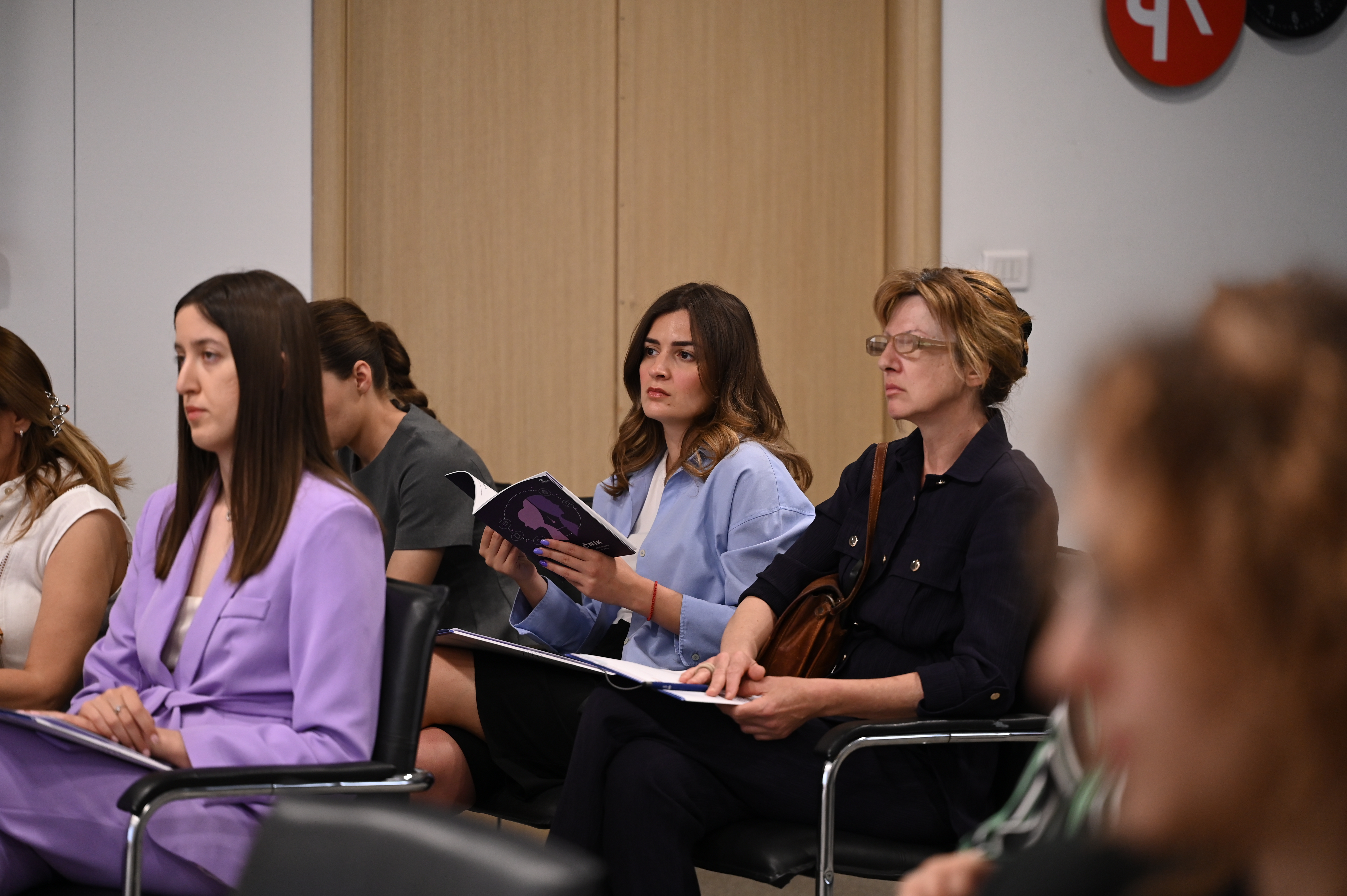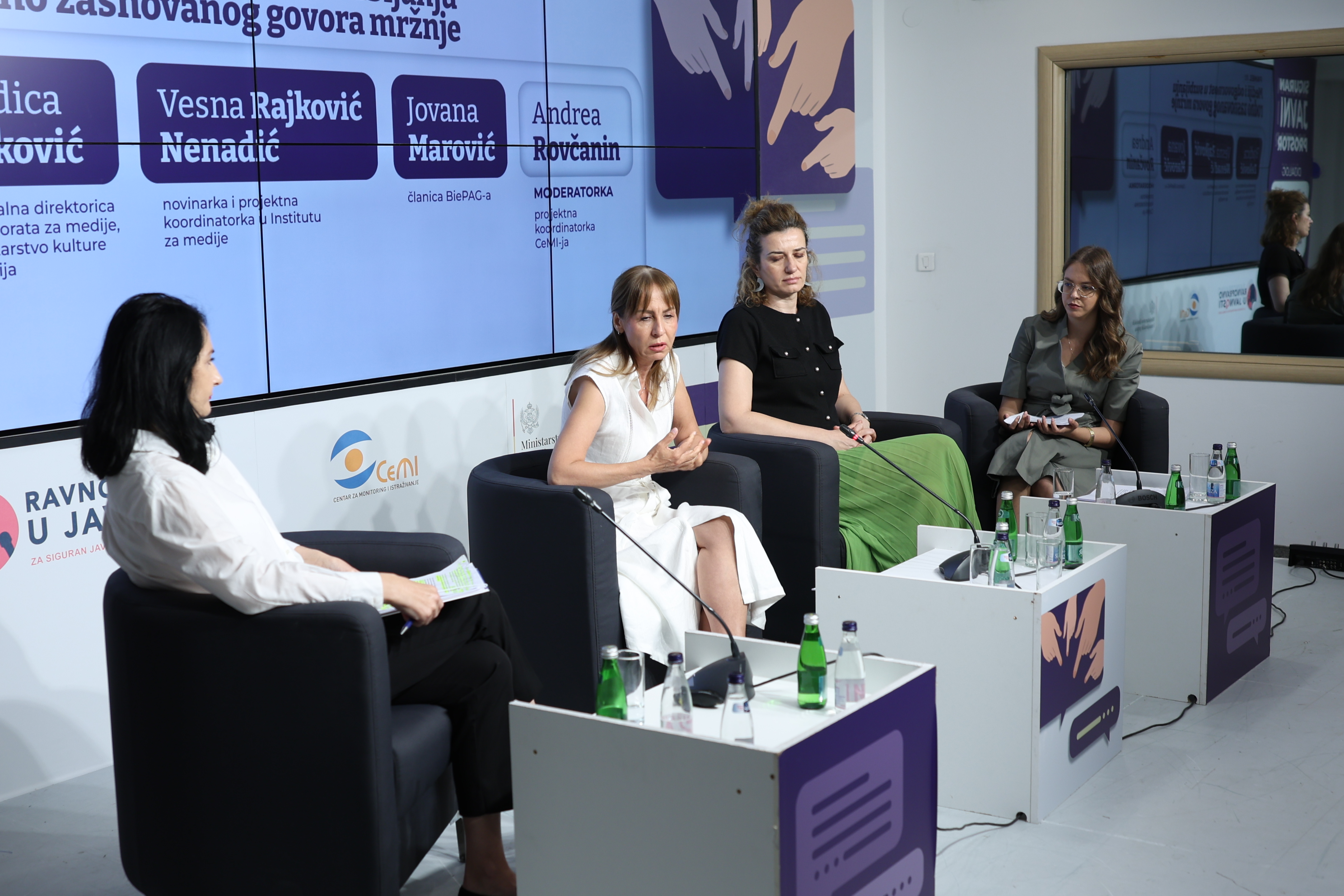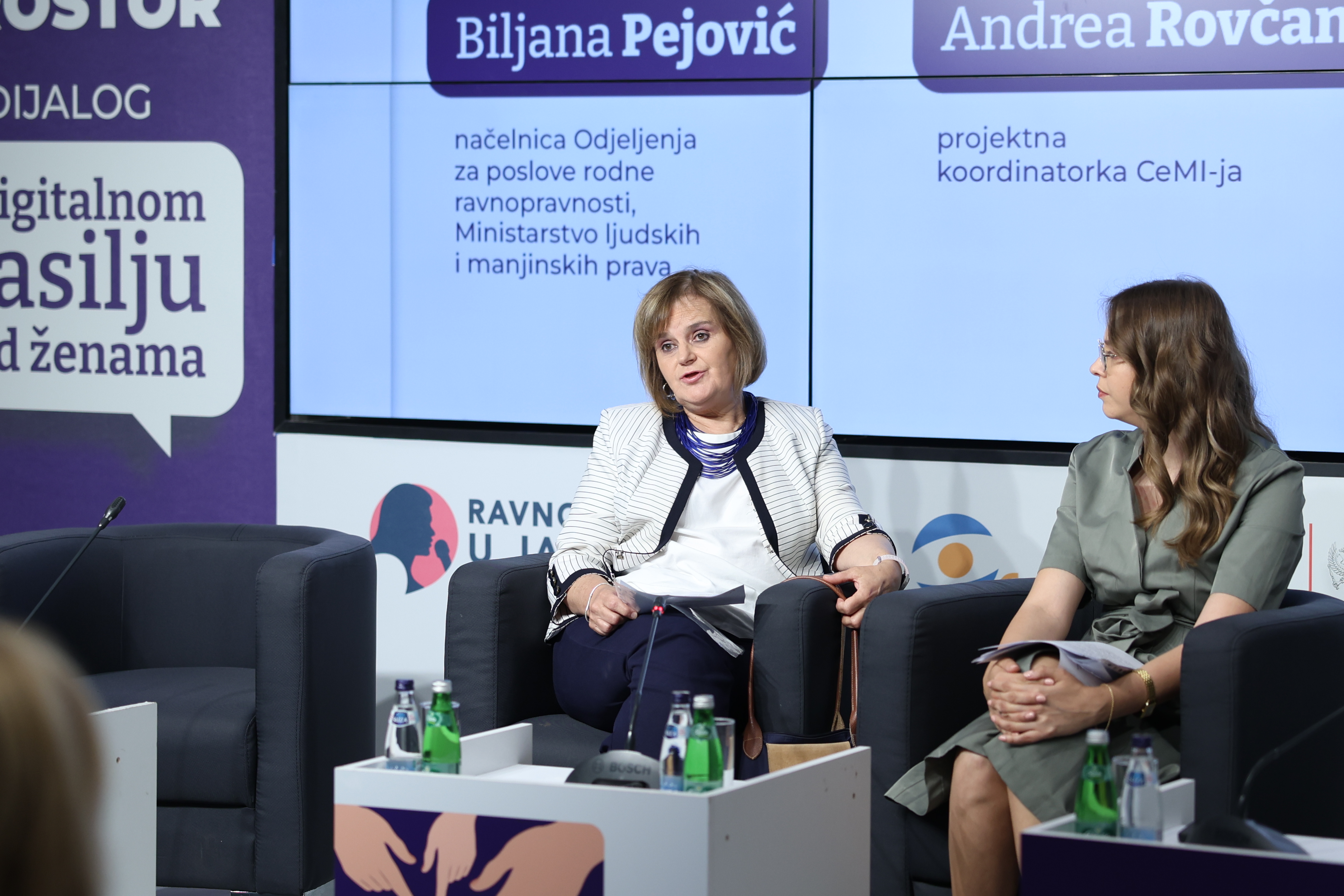
Misogyny, threats, and the online targeting of women have become a serious social problem that threatens women's safety and their participation in public and political life, and our research showed that nearly 90 percent of misogynistic comments on Montenegrin portals target female politicians, it was announced at the organization's final conference.
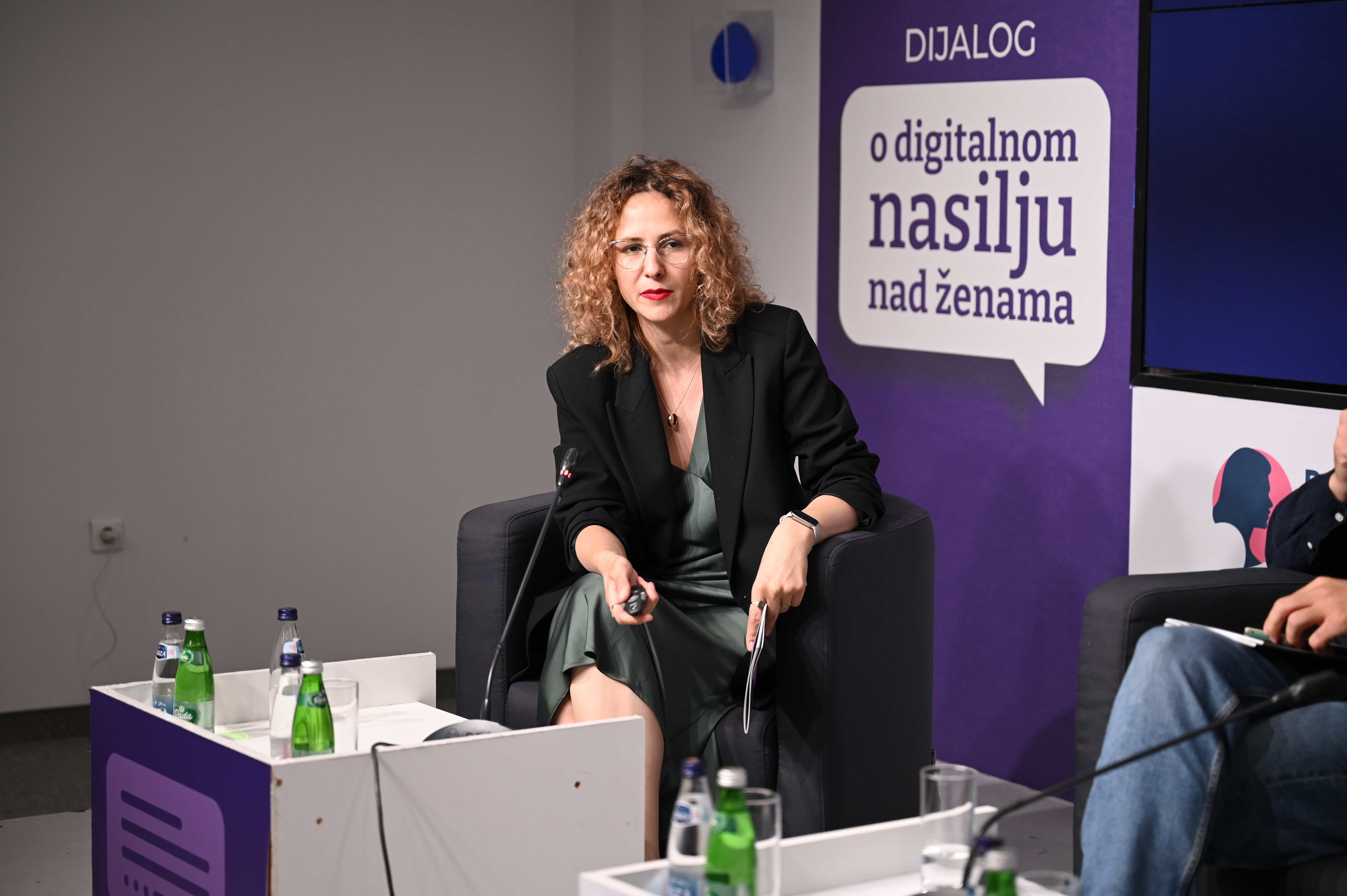
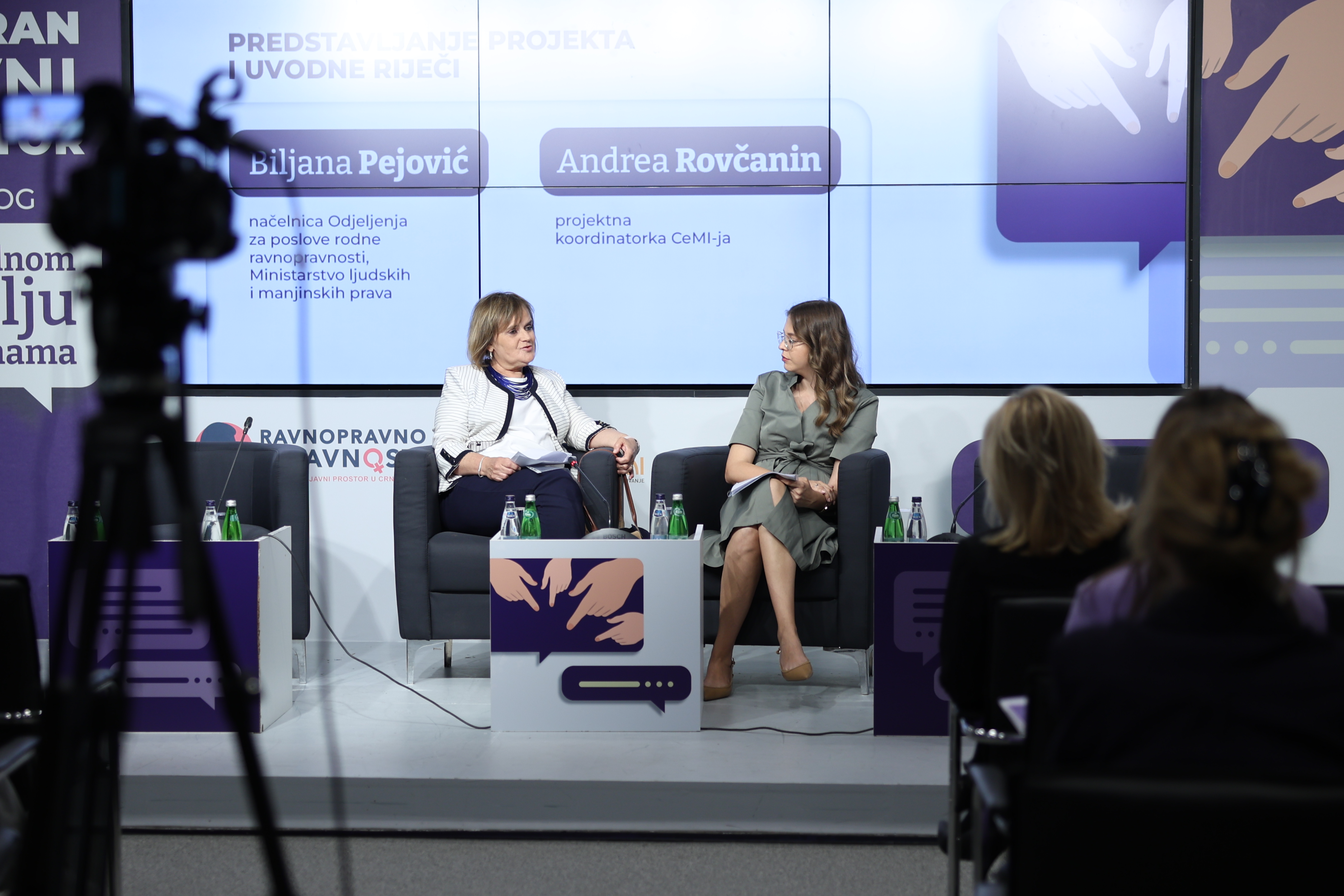
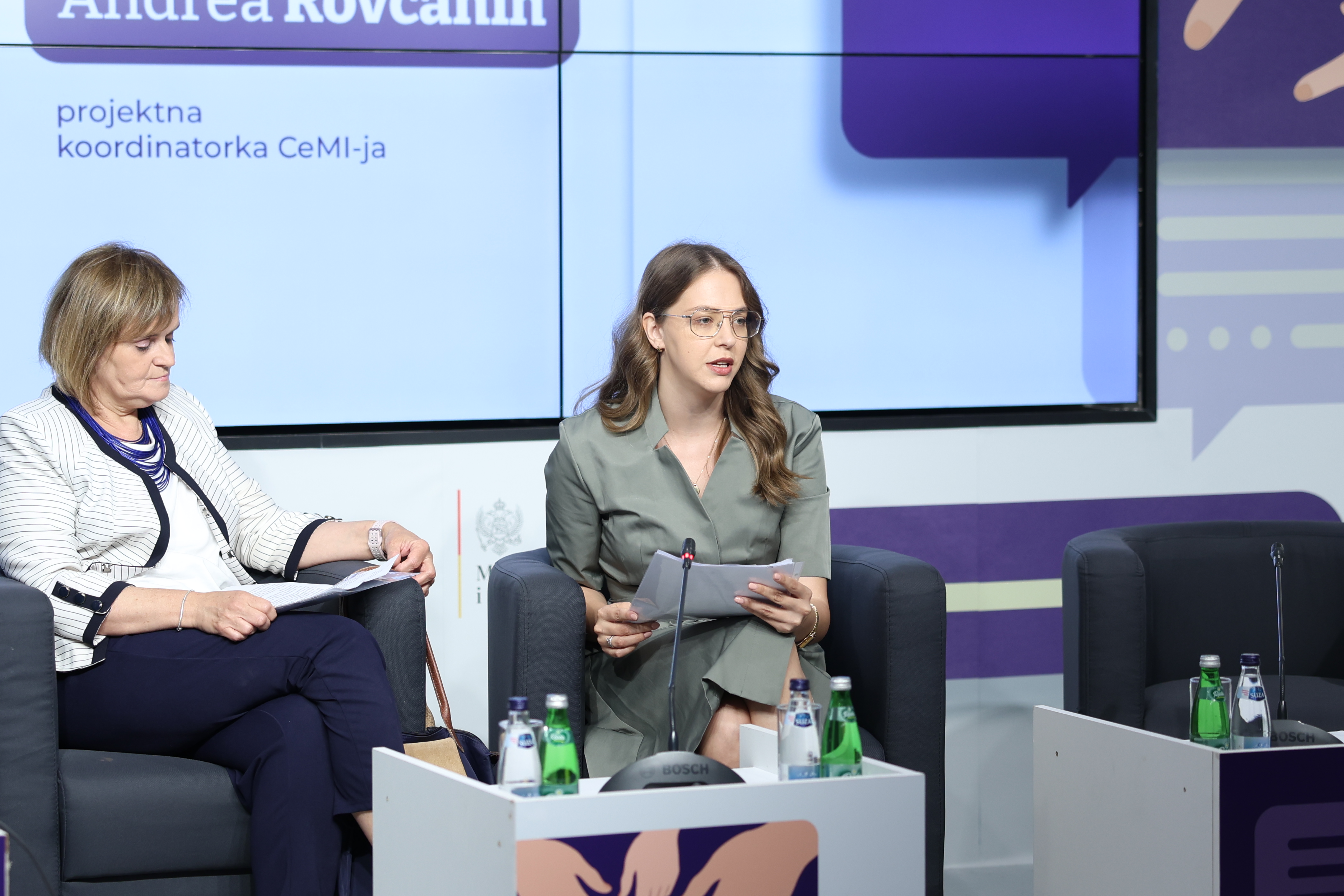
During the final conference "Safe Public Space – A Dialogue on Online Violence Against Women," CeMI Project Coordinator Andrea Rovčanin stated that in recent years, we have been witnessing an increasingly prominent problem of digital violence and gender-based hate speech.
"Social networks and online platforms, in addition to providing a space for communication and exchange of opinions, are increasingly becoming places of insults, threats, and misogynistic speech directed at women who act publicly and express their views. Such an environment not only threatens the women exposed to these attacks but also impacts the overall quality of democracy, freedom of expression, and the willingness of other women to participate in public and political life at all," Rovčanin stated.
According to her, gender equality is therefore not an issue that concerns only women, but implies equal opportunities for both women and men to participate in political, social, and economic life, to make decisions on an equal footing, and to have equal chances for professional and personal development.
"However, we continue to witness that women often have to invest much more effort to have their voices equally valued and respected. Along with professional challenges, they face stereotypes, prejudices, belittlement, and various forms of violence aimed at discouraging them and pushing them out of public life. This is why equality also implies the right to act publicly without fear of threats and attempts at discouragement," Rovčanin said.
She pointed out that within the framework of the project, CeMI organized two one-day training sessions for women active in public and political life, with the aim of strengthening their skills and capacities to recognize and respond to digital violence and hate speech.
"A special part of the project was the podcast series 'Bez filtera' (Unfiltered), where across four episodes we discussed the experiences of women in the public sphere, gender stereotypes, hate speech, and the responsibility of institutions and society to respond adequately to these phenomena. In addition, we conducted public information activities and a social media campaign aimed at promoting a culture of dialogue, mutual respect, and equality," Rovčanin said.
She highlighted that one of the important results of the project is the analytical report on the presence of gender-based hate speech against women in the public and political life of Montenegro for the 2024–2025 period, which maps key patterns of online attacks, the presence of misogynistic comments, and provides recommendations for improving protection and prevention.
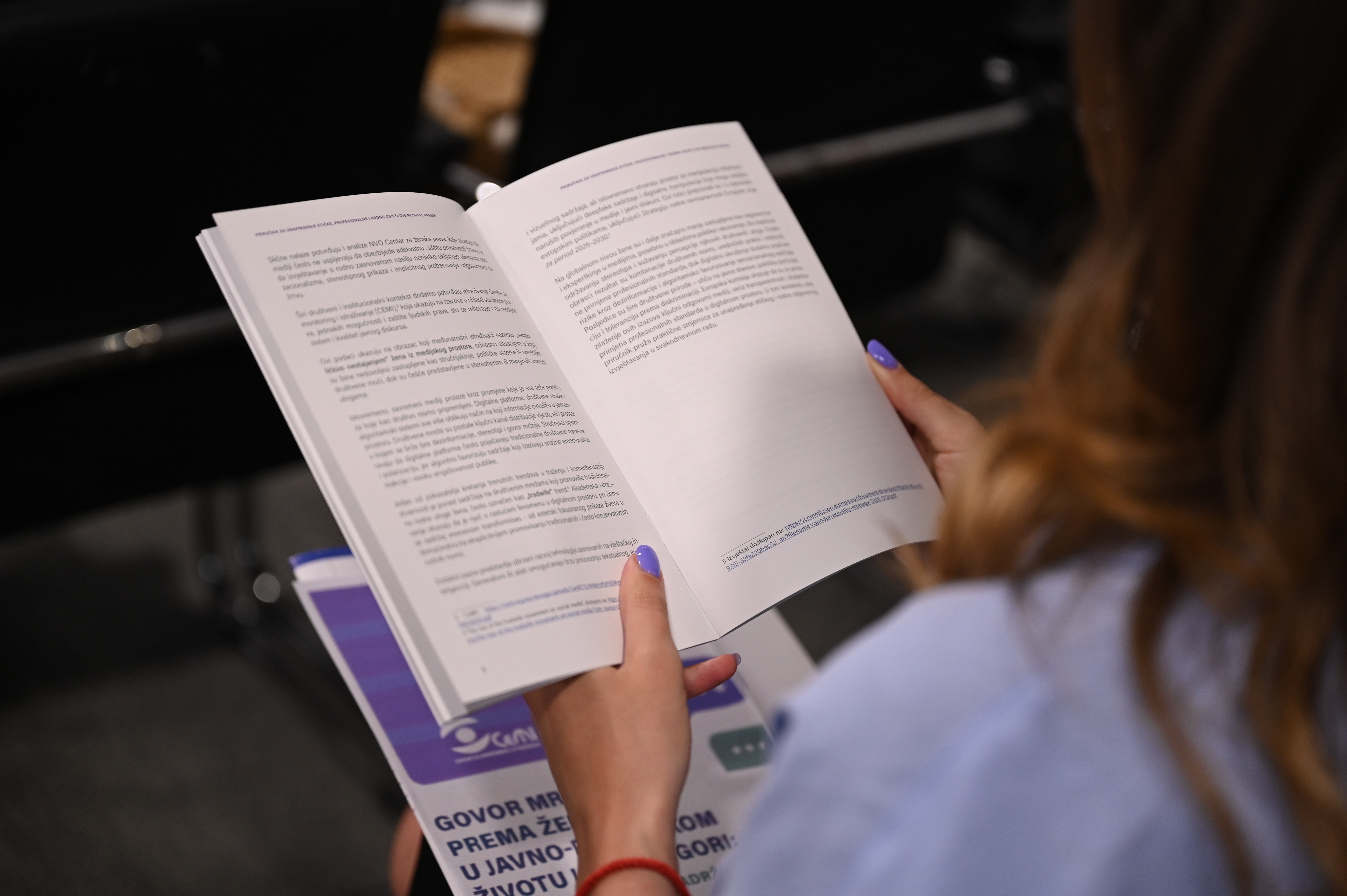
"As additional support, we have also prepared a manual aimed at improving ethical, professional, and gender-sensitive media practices, which contains recommendations and guidelines for more responsible reporting and a safer online environment," Rovčanin stated.
She emphasized that the fight against digital violence against women cannot be the responsibility of a single institution or organization alone.
"We need a stronger systemic, institutional response, more responsible media reporting, more efficient application of protection mechanisms, as well as continuous education and awareness-raising about the harmful effects of hate speech and misogyny," Rovčanin urged.
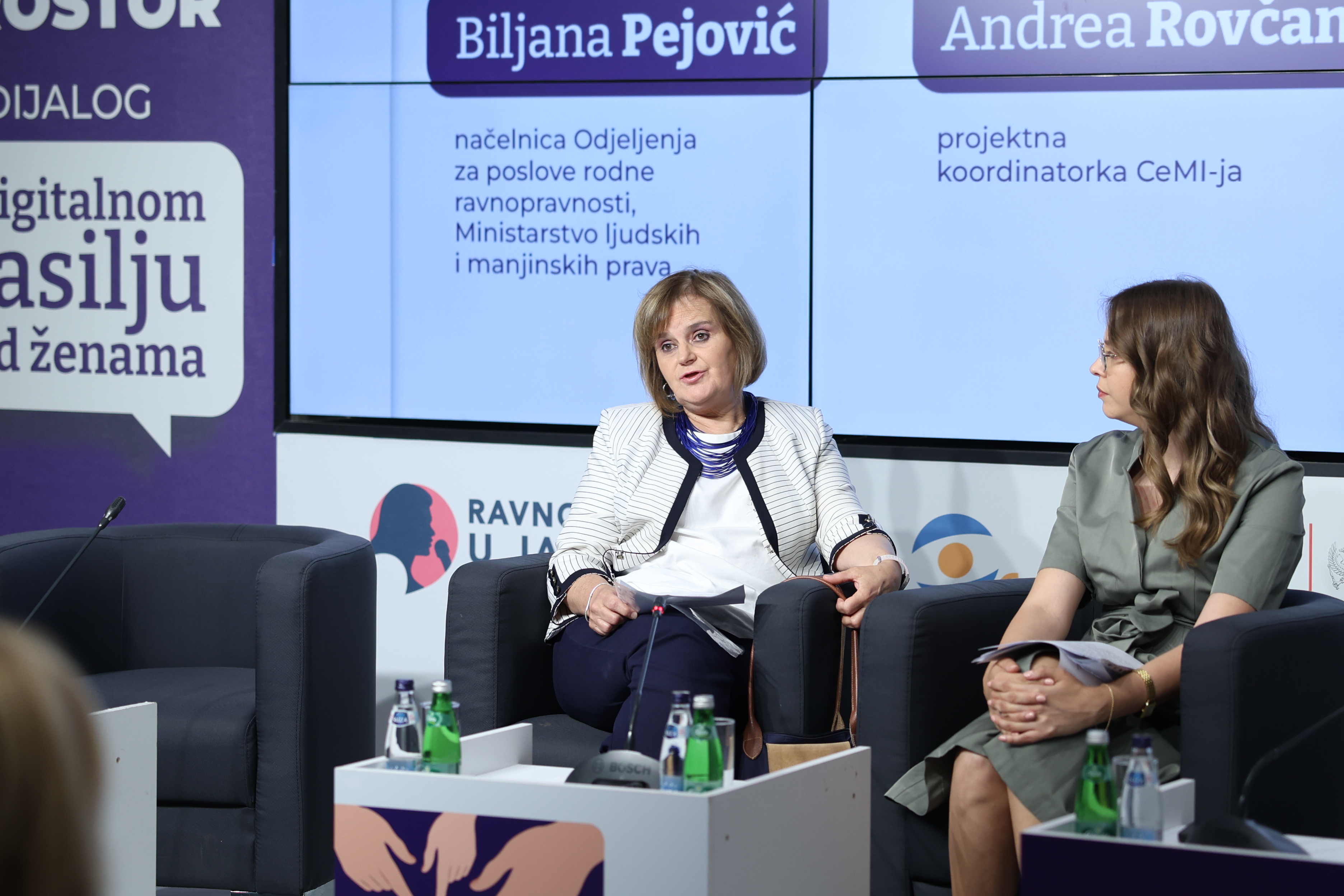
The Head of the Department for Gender Equality Affairs at the Ministry of Human and Minority Rights, Biljana Pejović, stated that digital violence against women represents a serious social problem that impacts the safety, mental health, and participation of women in public and political life.
As she pointed out, the digital space today represents an important arena for communication, work, and action, but its development has also led to a rise in various forms of violence, particularly against women and girls.
"Hate speech, harassment, threats, blackmail, misuse of personal data, and organized campaigns have serious consequences not only for individuals but for society as a whole," Pejović said.
She emphasized that digital violence is not "virtual violence," but a phenomenon that leaves real consequences on women's sense of security, mental health, and professional and public engagement.
"Women often withdraw from the public sphere due to threats and targeting, and when that happens, we all lose. The citizens lose, the institutions lose, and democracy loses," Pejović said.
She stressed that the issue of digital and gender-based violence must be viewed through the prism of human rights, gender equality, democracy, and societal security.
She recalled that Montenegro has made significant strides in this area in the preceding period, citing the Gender Equality Strategy 2025–2029, which recognizes digital violence and the safety of women in the online space as important challenges and outlines measures for prevention, education, and strengthening the institutional response.
Pejović also announced the new Law on Gender Equality, which has passed public consultation and is expected to enter parliamentary procedure soon.
"The law explicitly addresses gender-based hate speech and violence in the digital space, recognizing digital hate speech as a form of discrimination," Pejović stated.
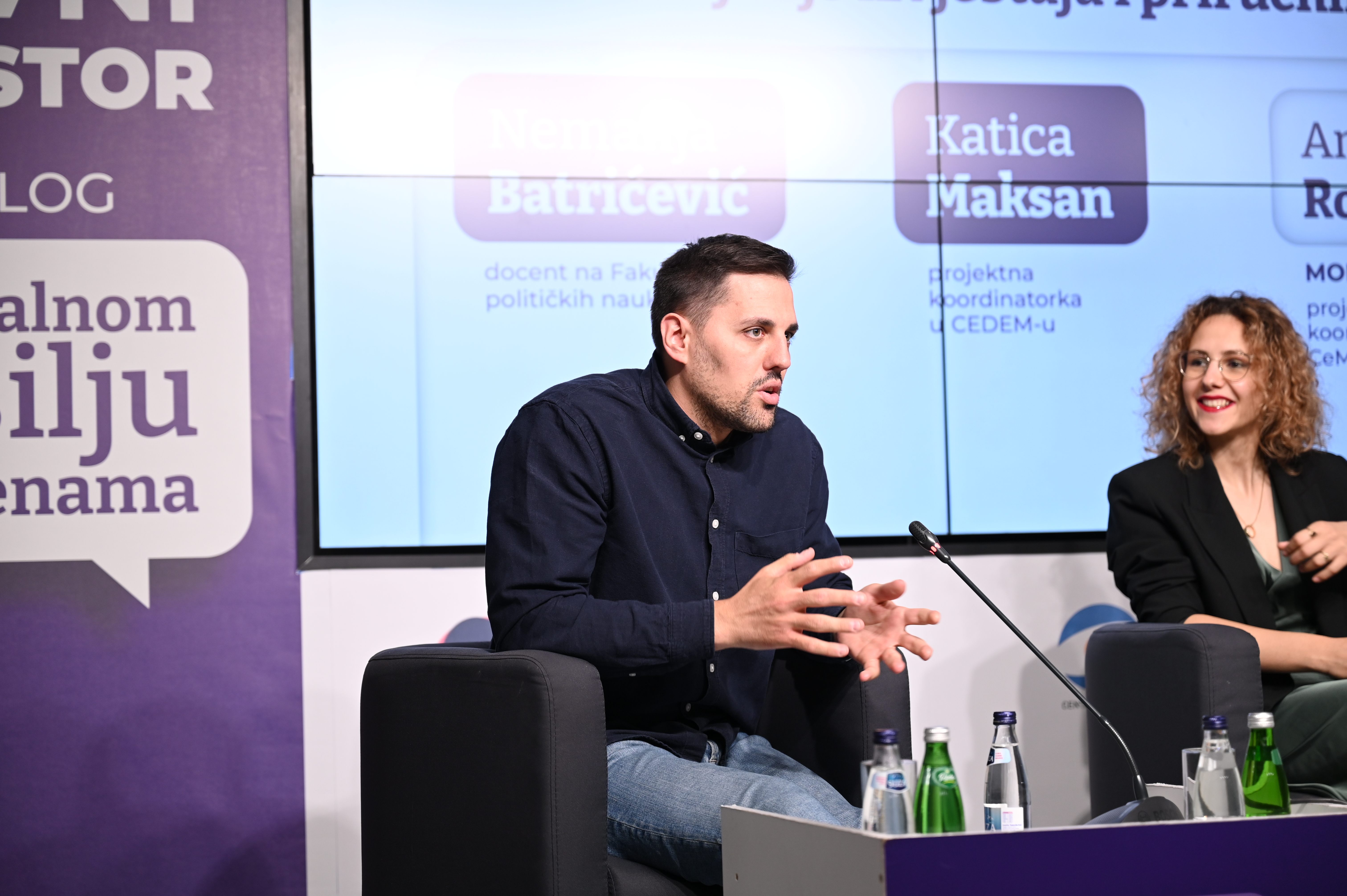
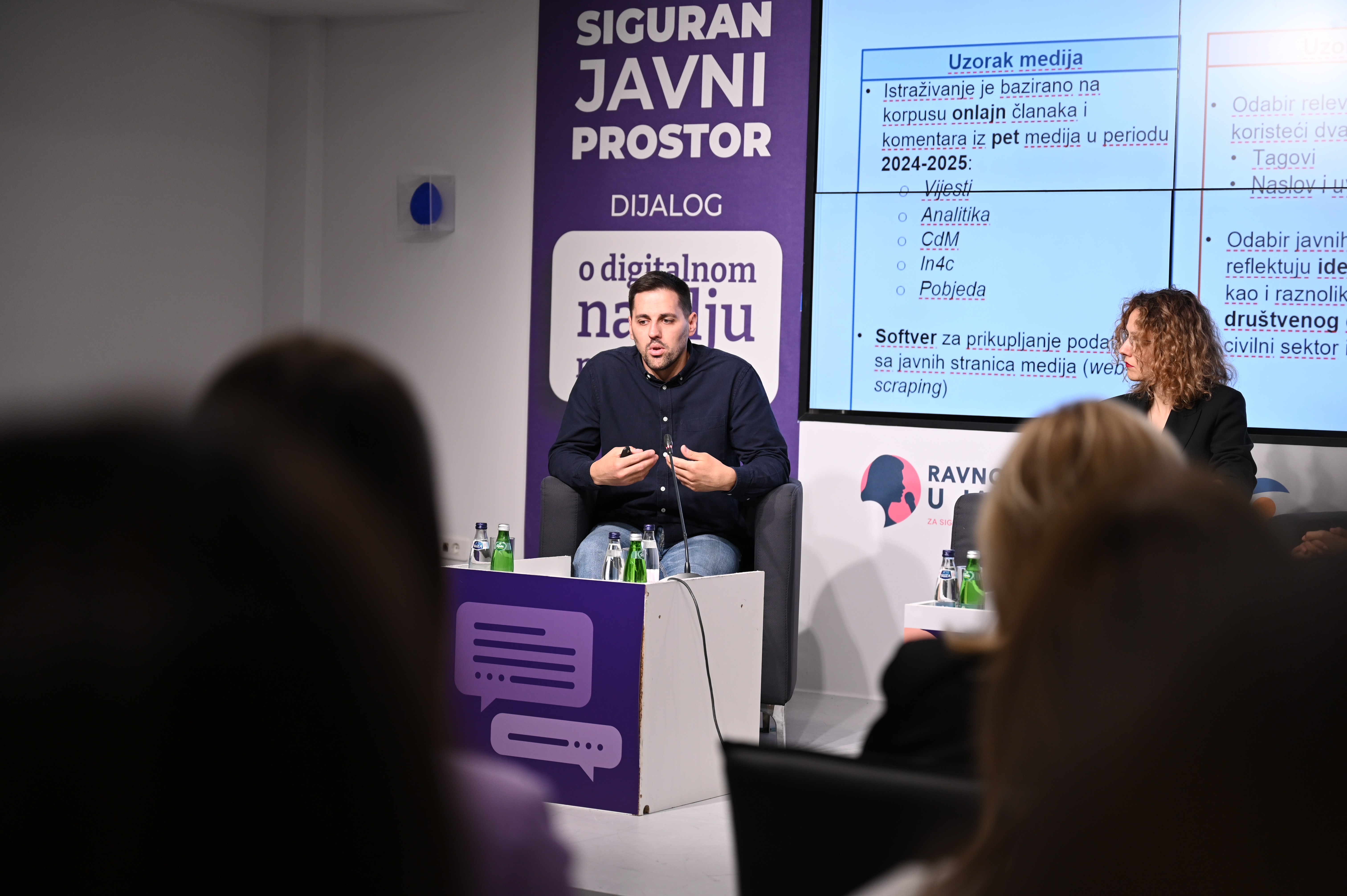
Presenting the Report on the Presence of Gender-Based Hate Speech Against Women in the Public and Political Life of Montenegro for the 2024–2025 Period, Assistant Professor at the Faculty of Political Sciences, Nemanja Batrićević, stated that the research encompassed 1,441 articles and around 16,500 comments on portals.
As he explained, the research focused on articles in which women were the dominant subject to ensure the relevance of the analysis.
"There is a large number of articles in which female politicians are only mentioned in passing, but it is not realistic to expect that the comments would be focused on them. That is why we used clear criteria to determine which articles were relevant for the analysis," Batrićević stated.
He added that the study included women from various political, ideological, and social spheres, including female politicians, journalists, and NGO representatives.
"The comments were analyzed based on two criteria—whether they contained misogyny and whom they targeted. We treated any gender-based hate speech against women as misogyny, including unnecessary sexualization, comments questioning women's ability to hold public office, and content where the gender dimension was particularly emphasized," Batrićević explained.
He pointed out that a large number of offensive comments were not classified as misogyny because they were based on political, ideological, national, or religious grounds, without a gender component.
According to him, the research showed that misogynistic comments are often disguised even through seemingly positive or "complimentary" messages that reduce women to their physical appearance or gender, thereby undermining their competence.
"Out of a total of 16,500 analyzed comments, 823 were classified as misogyny, which accounts for about five percent of the total number of comments. Given that we defined misogyny quite narrowly, I would say there was more material than we expected," Batrićević said.
The research showed that nearly 90 percent of the misogynistic comments targeted female politicians.
"Even at this point, the conclusion emerges that a large portion of misogyny in the online space is motivated by political and ideological content," he said.
The most frequent targets of misogynistic comments identified were female politicians Jelena Nedović, Jelena Borovinić Bojović, Aleksandra Vuković Kuč, and other public figures who were the subjects of intense commenting on portals.
The highest number of comments was recorded on the Vijesti and CDM portals, while according to the research results, misogynistic comments were most prevalent on the Vijesti portal, followed by Analitika.
Batrićević also pointed out a clear political polarization among the comments on different portals.
"On certain portals, the most frequent targets were women whom the audience of those media outlets perceives as political opponents or ideological dissidents," Batrićević said.
A specific segment of the research focused on the number of likes and dislikes on misogynistic comments, in order to indirectly measure the level of support for such speech in the public sphere.
"For all the analyzed women, the number of likes on misogynistic comments was multiple times higher than the number of dislikes, which shows that such comments receive significant support and attention," Batrićević stated.
He added that such audience reactions can further motivate the authors of these comments to continue with hate speech and misogyny in the online space.
Project Coordinator at CEDEM and author of the manual aimed at improving ethical, professional, and gender-sensitive media practices, Katica Maksan, assessed that hate speech and the manner of media reporting directly influence women to withdraw from participating in politics and public life.
"Women have stopped seeing themselves in politics precisely because of these kinds of comments," Maksan said.
Speaking about the manual she prepared, Maksan stated that she approached it from two perspectives—as someone who has been analyzing media content for years, and as a professor of the Montenegrin language dealing with gender-sensitive language.
"When we talk about gender equality, we still mostly limit ourselves to the relationship between women and men, even though there are numerous other gender identities that are not talked about enough, neither in language nor in the media," Maksan said.
As she explained, the manual predominantly deals with how the media reports on women and men, while reflecting on international and domestic standards, inclusive language, digital security, artificial intelligence, and the responsibility of editors and journalists.
Maksan warned that citizens are exposed daily to a massive number of negative comments and hate speech, which have become so normalized that their consequences are often no longer even recognized.
"Women no longer want to hold certain positions because their physical appearance, competence, and private lives are constantly being commented on," she said.
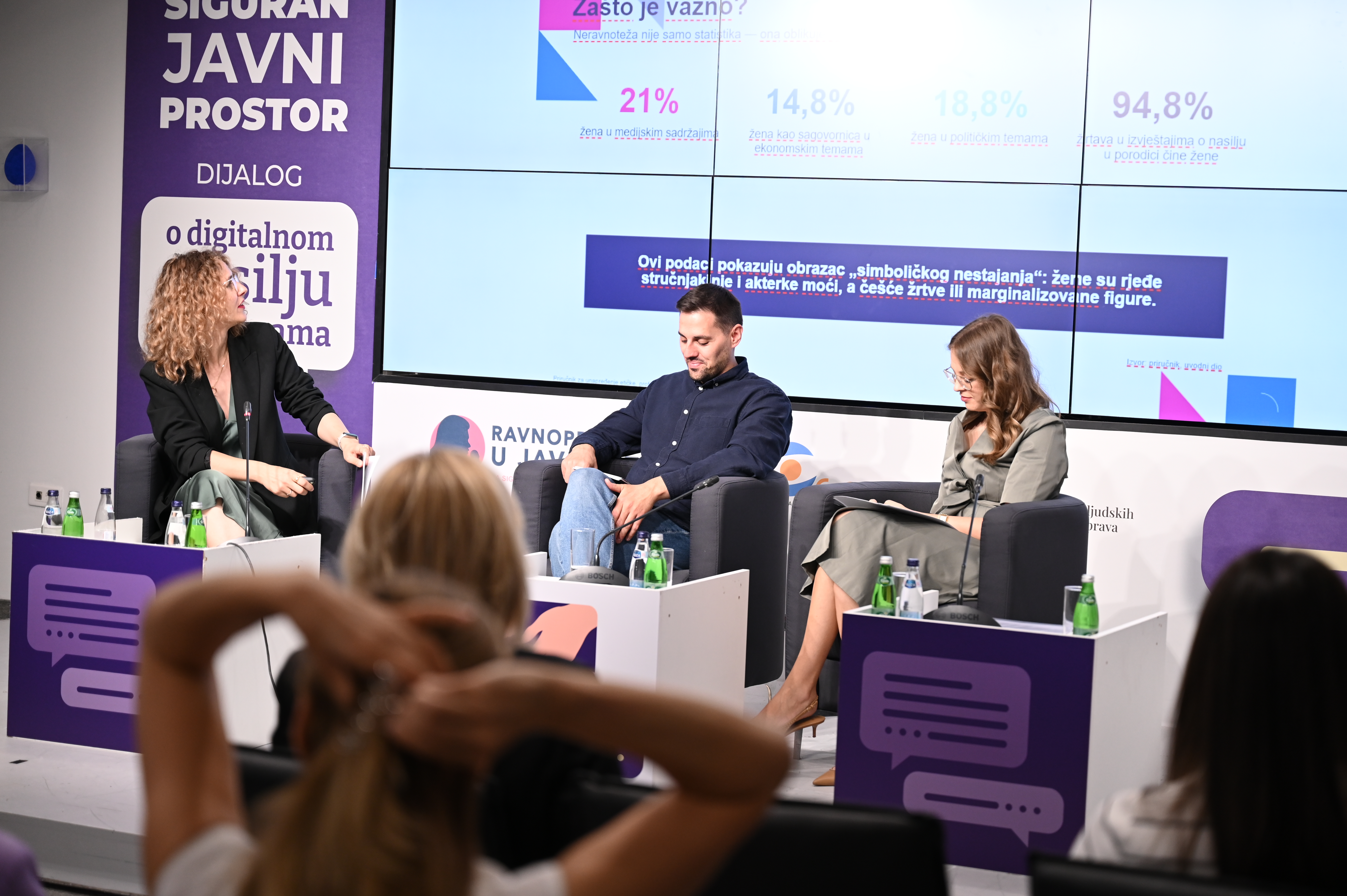
She also pointed to research showing that women are less represented as interviewees and sources in the media, particularly when the topics are politics, economics, or fields that require expertise.
"When it comes to gender equality, the interviewees are mostly women, but when it comes to politics or economics, the number of women among the interviewees drops significantly," Maksan stated.
Special attention was also dedicated to sensationalistic reporting, particularly in cases of violence against women and domestic violence.
"The focus must not be on sensationalism, but on protecting the dignity and privacy of victims," Maksan emphasized.
She pointed out that a specific part of the manual addresses artificial intelligence, deepfake content, and algorithmic bias, noting that fully fabricated video content exists today, which can cause serious consequences and spread disinformation.
Speaking about the role of editors and journalists, Maksan recalled that media outlets have an obligation to remove comments containing hate speech, but this is often not applied on social networks.
"Clicks, readership, and advertisements frequently influence editorial policy, so if certain content attracts attention, more similar content is produced," Maksan said.
As she concluded, the manual also includes practical tools and checklists that journalists and editors can use in their daily work to ensure that reporting is more professional, ethical, and gender-sensitive.
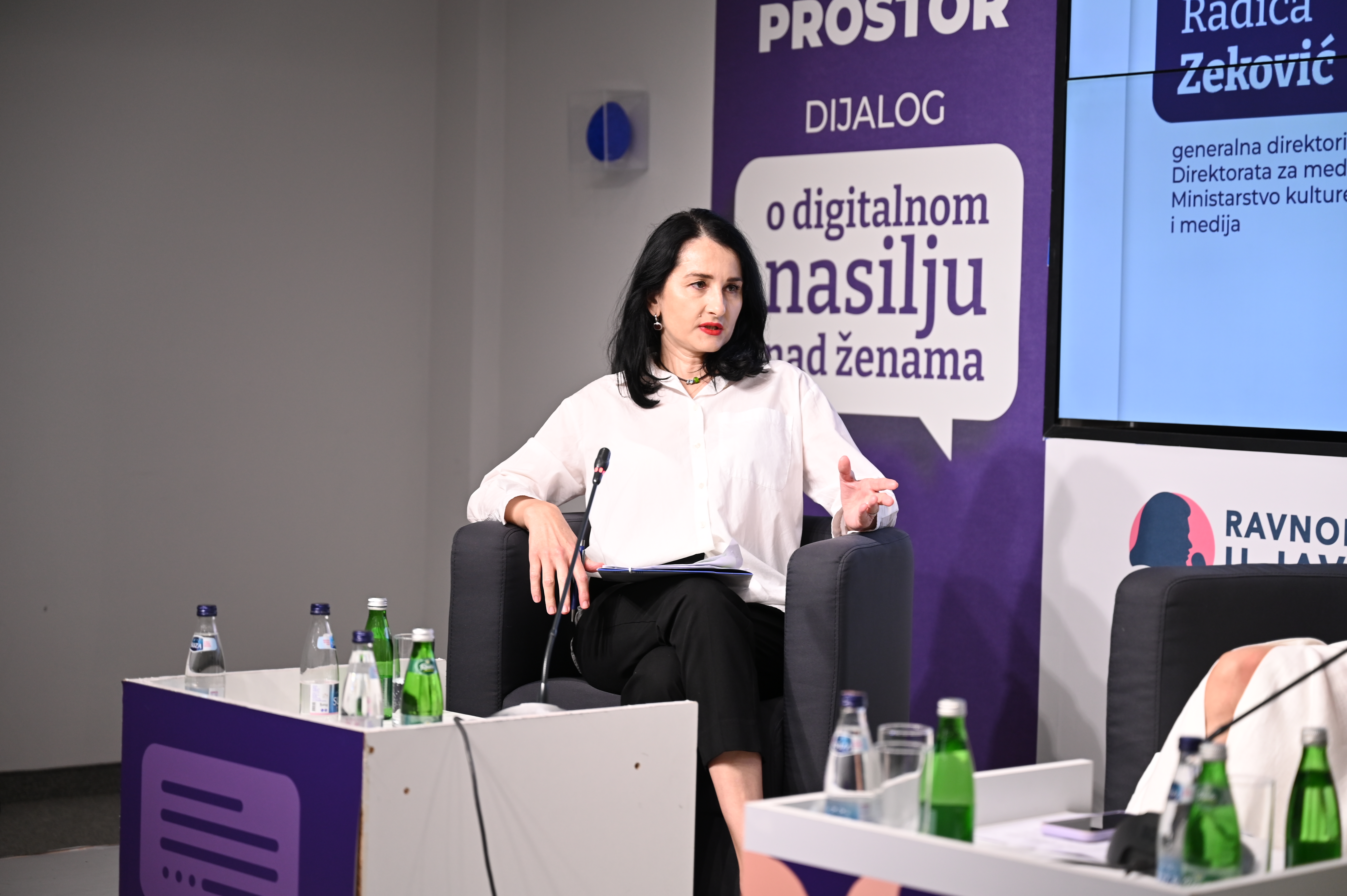
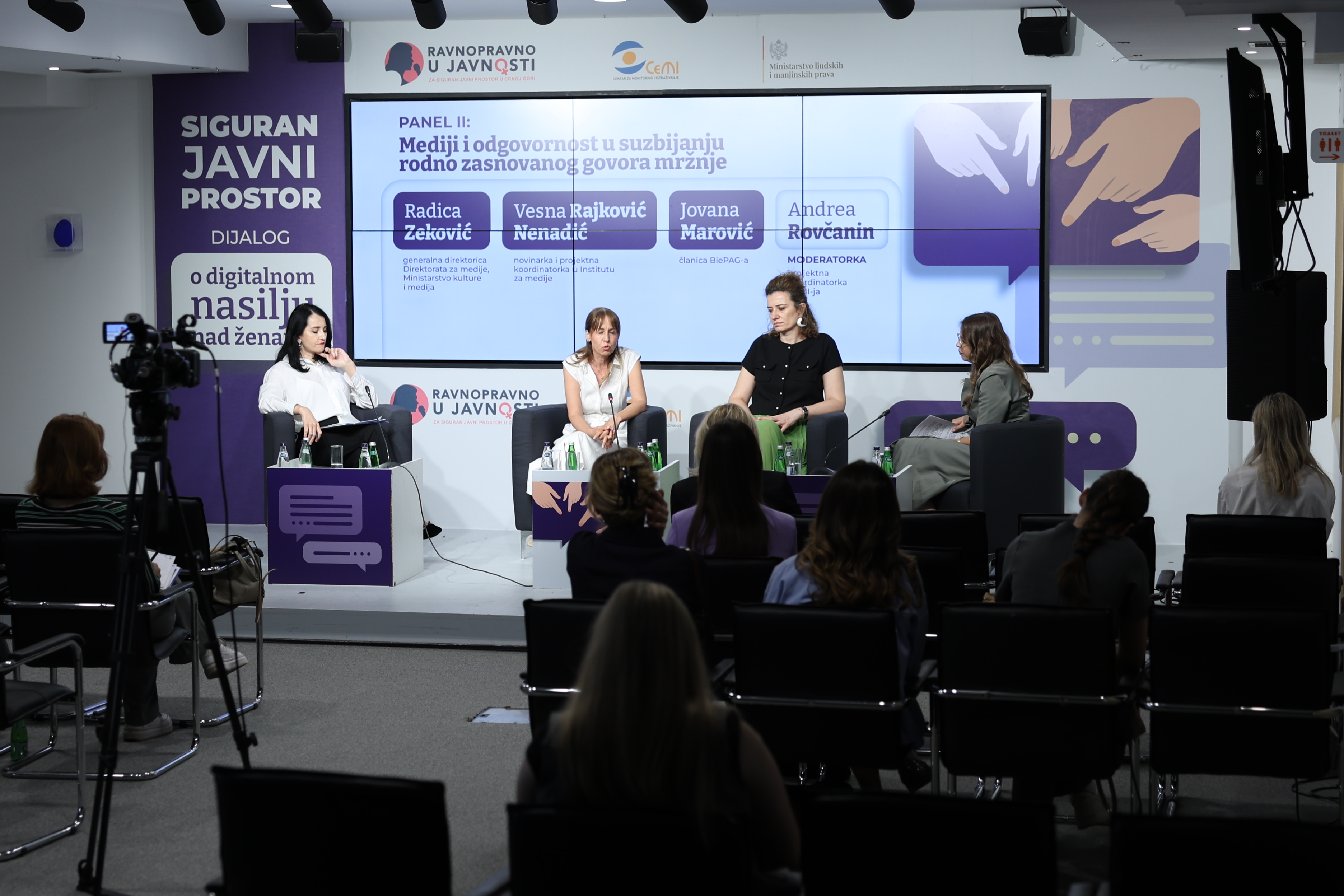
During the panel "Media and Responsibility in Combating Gender-Based Hate Speech," the Director-General of the Directorate for Media at the Ministry of Culture and Media, Radica Zeković, spoke about how digital violence against women today is no longer just a matter of behavior on social networks, but an issue of democracy, human rights, and safety in the public sphere.
"When we talk about digital violence, hate speech, and the protection of women in the public sphere, the role of the Directorate for Media is primarily to create the legal and strategic framework that regulates the media, and subsequently the digital space. This implies drafting and amending media laws and creating strategic policies that regulate the country's media policy, ensuring that the media system is pluralistic, professional, and aligned with EU standards," Zeković stated.
She pointed out that Montenegro has taken certain steps in normative alignment with European standards, but the challenge remains their full and effective application in the digital space.
She recalled that while Montenegro has taken certain steps in normative alignment with European standards in the preceding period, the main challenge remains their full and effective application in practice, especially in the digital space.
"The 2024 Media Law clearly prohibits hate speech, discrimination, and content that incites violence, and through the Media Strategy of Montenegro, violence against women has been recognized as one of the priority social issues. In cooperation with the media community, training sessions for journalists and editors on gender-sensitive reporting have been held, with the aim of reducing stereotypes, sensationalism, and the secondary victimization of women in the public sphere," Zeković emphasized.
"Through the Fund for the Promotion of Media Pluralism and Diversity, criteria have been defined for allocating financial resources to media outlets that cover topics related to the protection of women's rights and the advancement of gender equality," Zeković said.
Zeković also stated that for the past year, the Ministry has been leading the work of a multi-sectoral group tracking the implementation of European digital legislation, primarily the Digital Services Act (DSA) and the European Media Freedom Act.
"It is important to emphasize that the new European rules and directives on combating gender-based violence will be implemented to their full capacity only after Montenegro joins the European Union," Zeković said.
Speaking about the attitude of major digital platforms towards the Western Balkans region, she assessed that small countries like Montenegro face difficulties in getting quick reactions from platforms when it comes to reporting violence and hate speech.
"That is why the European regulatory framework is important, because it prescribes clear rules, deadlines, and penalties," Zeković stated.
She emphasized that until joining the European Union, it is essential to work on strengthening the media and digital literacy of citizens.
"People must be educated on what constitutes violence in the digital space and what consequences it leaves behind, particularly for women," Zeković said.
She warned that online violence against women is, to a large extent, a consequence of deeply rooted social and cultural patterns, patriarchal views, gender stereotypes, and misogyny that exist outside the digital space as well. Women in politics, the media, the civil sector, and public life continue to be more frequently exposed to insults, threats, and comments that target their appearance, private life, or gender, rather than their expertise and results.
And while online violence against women in Montenegro is on the rise, as UN analyses show, these patterns persist and are transmitted through family and social heritage, Zeković concluded.
Journalist and Project Coordinator at the Media Institute, Vesna Rajković Nenadić, assessed that hate speech in Montenegro has become completely normalized, both in the online and offline space.
"We live with hate in both the online and offline spheres, and that is why the results of this research were completely expected for me," Rajković Nenadić said.
Speaking about the results of the research on gender-based hate speech, she pointed out that it is very difficult to draw a clear line between misogyny and other forms of hate relating to religion, nation, or political affiliation.
"Five percent of misogynistic comments is a large number, especially when we know that these are comments published on media portals where certain moderation rules exist," Rajković Nenadić stated.
She recalled that the law clearly prescribes the obligation to remove unlawful comments within 60 minutes, a solution that has been retained in the new Media Law as well.
"There were demands to extend that deadline to 24 hours, but I think it is good that the shorter deadline remained," Rajković Nenadić said.
She pointed out that the research results should also be viewed through the fact that comments on portals do undergo certain filters by editors and administrators.
"Very often, comment moderation is done by young people who are not sufficiently trained for that job," Rajković Nenadić said.
She considers comments on media accounts on social networks to be particularly problematic.
"I believe that the moderation of comments on social networks should be the responsibility of the newsrooms themselves. If the media lack the capacity for this, then they should disable comments on their accounts," Rajković Nenadić stated.
She recalled that during major crises and tragedies in Montenegro, media outlets did choose to disable comments, but they generally do not do so for topics that generate higher readership and audience engagement.
"Media outlets live off clicks, readership, and content sharing, and we need to consider the realistic context in which they operate," she said.
Rajković Nenadić believes that the media often lack sufficient capacity for quality content moderation, despite numerous training sessions organized for journalists and editors.
Speaking about social networks, she assessed that this is a space that remains insufficiently regulated.
"Montenegro is a small market, and it is very difficult to get a reaction from major digital platforms," Rajković Nenadić said.
She particularly highlighted the lack of an adequate response from institutions in cases of content involving hate speech against women and certain social groups.
Rajković Nenadić assessed that society is moving in a retrograde direction when it comes to the position of women in the public sphere.
"Previously, women were predominantly sexualized, whereas now we are witnessing attempts to return women to traditional patterns where their place is to remain silent and stay at home," Rajković Nenadić warned.
Rajković Nenadić assessed that the content related to the film "Referendum – A Story of Imaginary Freedom," which was broadcast on two television stations with national frequencies, contains hate speech against women.
As she stated, a national frequency represents a national public good, which makes what is broadcast in such programming particularly important. She emphasized that, in this case, she was focusing specifically on the gender aspect of the topic, concluding that clear hate speech against women was present.
She added that, apart from the reactions of the civil sector, there was no adequate response from the competent authorities or other social actors.
BiEPAG member Jovana Marović assessed that society is becoming increasingly aware of the problem of misogyny and hate speech against women in the public sphere, but the institutional response remains insufficiently effective.
"There are more and more discussions, projects, and training sessions like this, and that is positive. Women in politics are ready to speak out on this topic, which is an important step forward," Marović said.
However, as she stated, the key problem remains the poor implementation of existing laws.
"In a normative sense, we have solid solutions, as we do in many areas of European integration, but implementation is poor. This sends a message that institutions do not react quickly enough and that penalties are not deterrent," she said.
According to her, organized campaigns targeting women in the public sphere are becoming increasingly brutal and coordinated.
"Those who participate in these campaigns have become aware of how powerful a weapon it is. Today, you have coordinated actions and constant pressure on women," Marović warned.
She added that it is not only anonymous social media users who participate in such campaigns, but also male and female politicians themselves when it aligns with their party interests.
"Very often, there is selective solidarity. When you or your female party colleagues are the targets of an attack, it is recognized as a major problem. However, when the target is someone from the civil sector or a political opponent, there is silence," Marović said.
Speaking about her personal experience, Marović stated that the types of attacks changed depending on whether she was in the civil sector or in politics.
"While I was in the civil sector, I was portrayed as a foreign mercenary working for the interests of donors. In politics, I was attacked by both the extreme right and the extreme left," Marović said.
She particularly emphasized that comments on the social network X were among her toughest experiences.
"On that network, misogyny and extremism have become completely normalized. That is why I decided to withdraw from that platform a year and a half ago," Marović said.
She added that the most brutal attacks are often directed at family.
"Family is not part of politics, but when someone realizes that this is what hurts you the most, that is precisely where the most frequent and severe attacks begin," she stated.
Marović believes that society is only at the beginning of seriously confronting this problem.
"We have only scratched the surface when it comes to defining recommendations and dealing with this issue," she assessed.
As a first step, she highlighted the need for greater solidarity among women, regardless of political differences, and emphasized that penalties for hate speech and online violence must be much stricter to have a deterrent effect.
Marović concluded that the hardest part of the process is changing deeply rooted social patterns regarding the role of women.
"Our society must accept that a woman can be a leader. These patterns are deeply ingrained and are transmitted through the family and society," Marović said, adding that education and everyday conversations are key to changing such attitudes.
The conference was organized within the project "Equal in Public – For a Safe Public Space in Montenegro," implemented by CeMI with the financial support of the Ministry of Human and Minority Rights.