The Montenegrin media space faces polarization, financial instability, and insufficient regulation, and for its improvement, it is necessary to strengthen professionalism, reform electoral legislation, regulate online political communication, and decisively fight against misogyny and foreign influence.
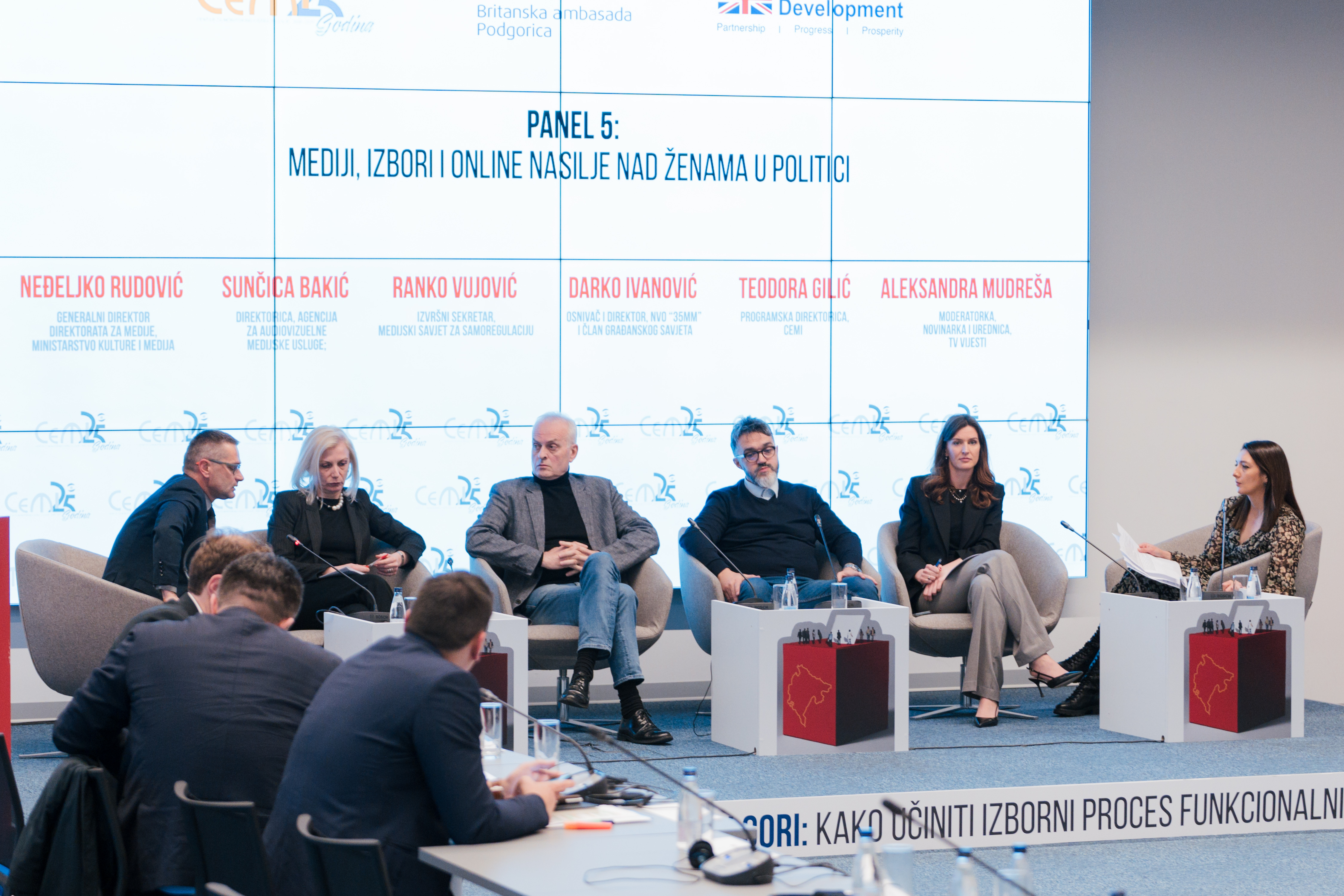
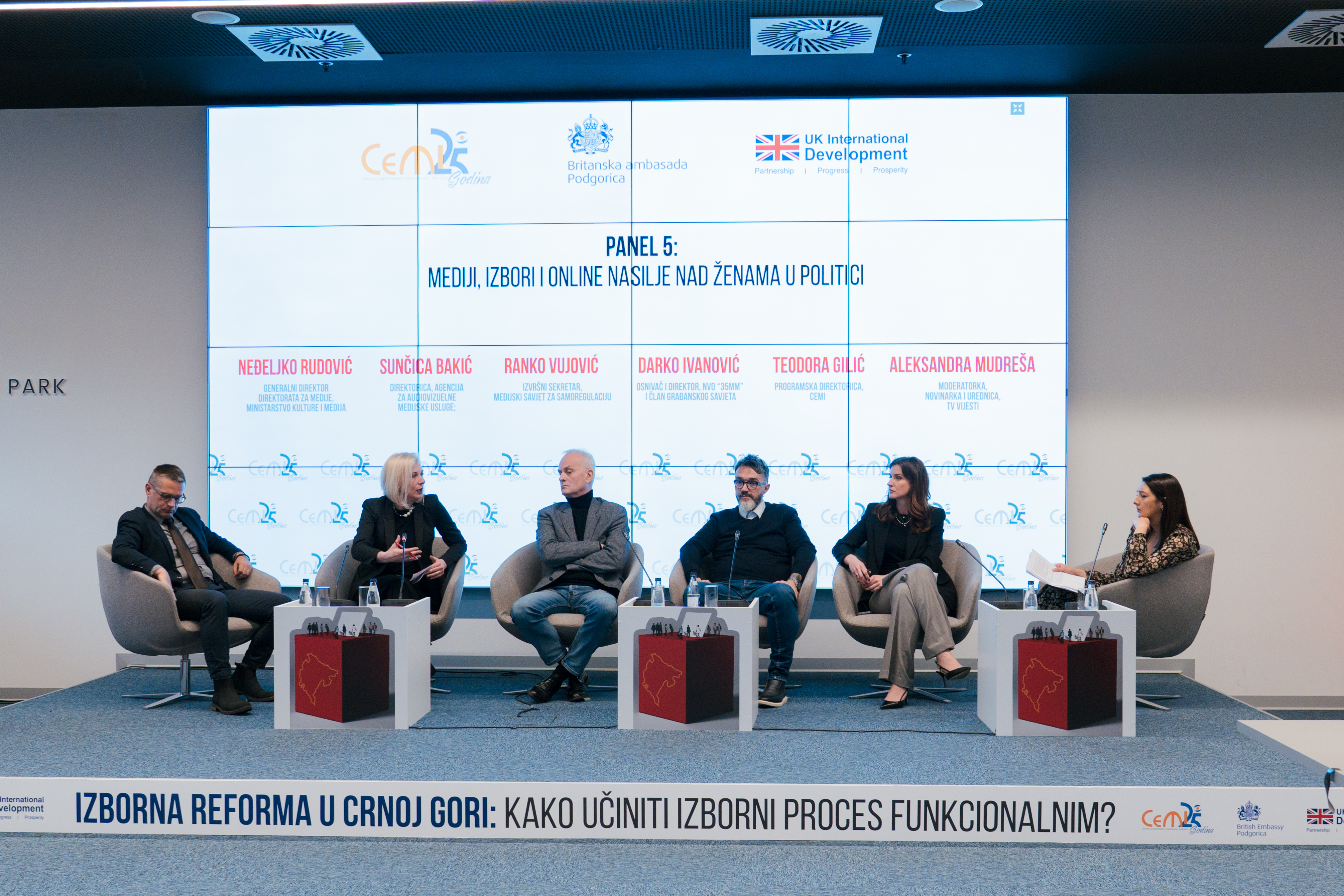
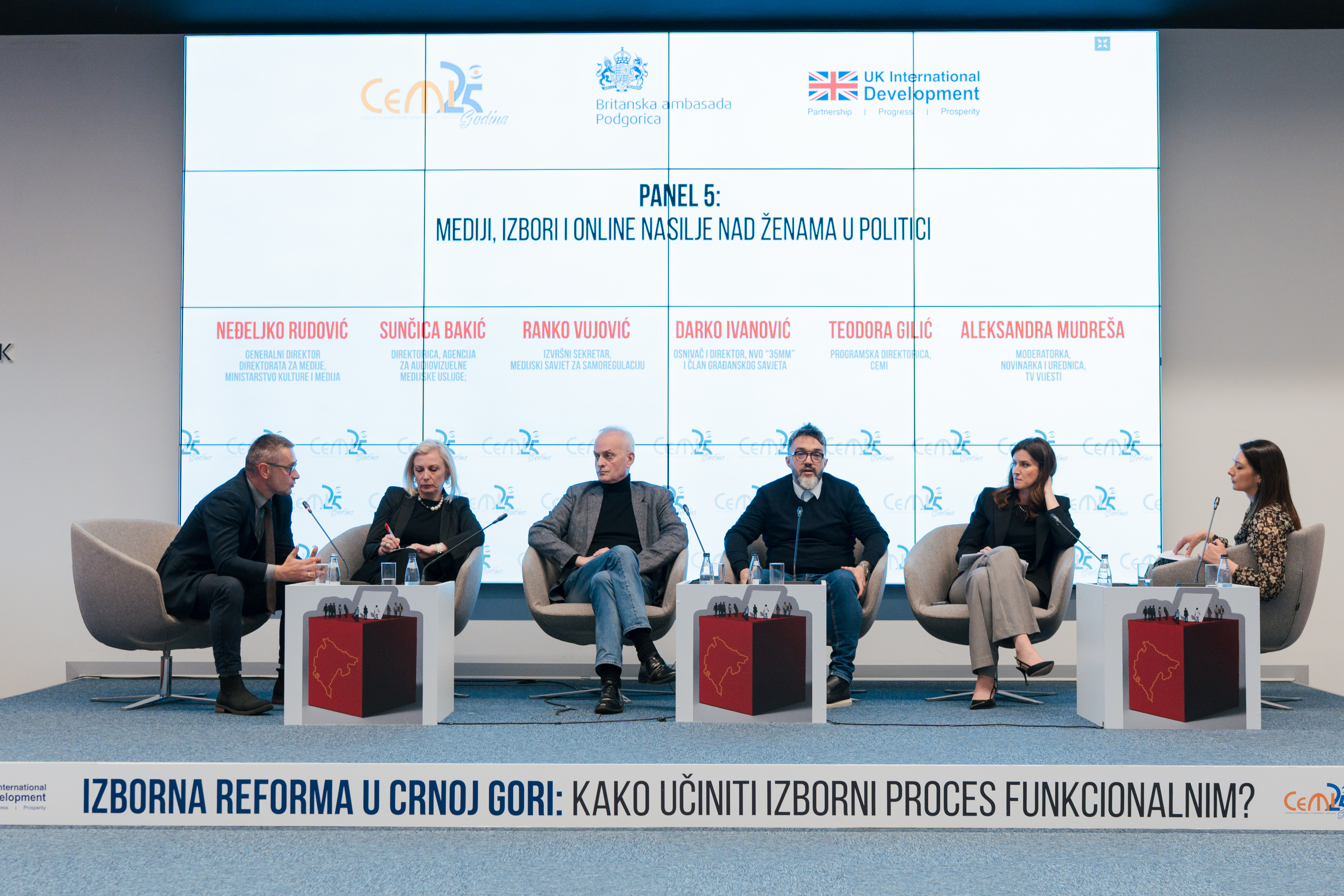
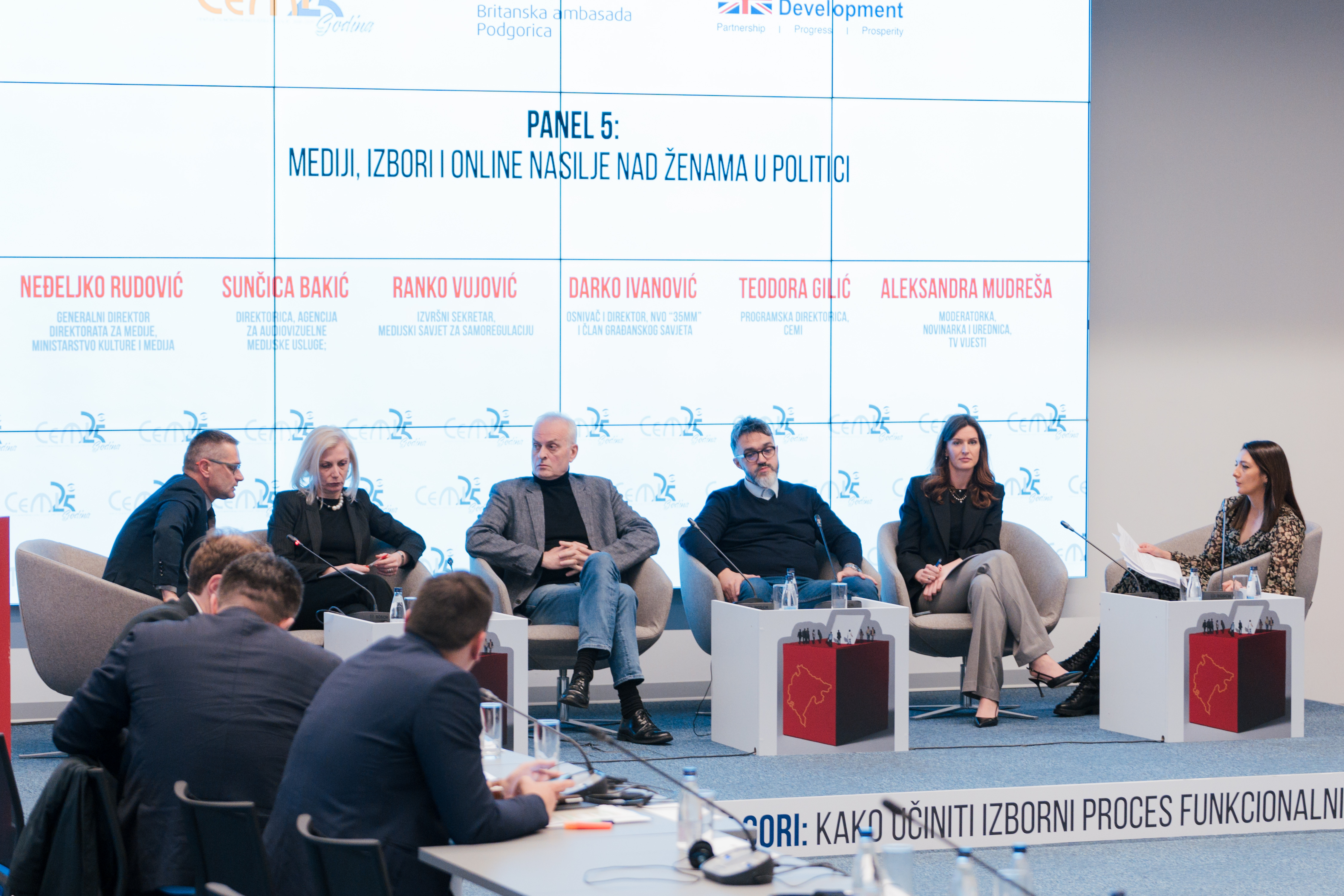
This was stated during the fifth panel "Media, elections, and online violence against women in politics" within the conference "Electoral reform in Montenegro: How to make the electoral process functional?", which we organized with the support of the British Embassy Podgorica.
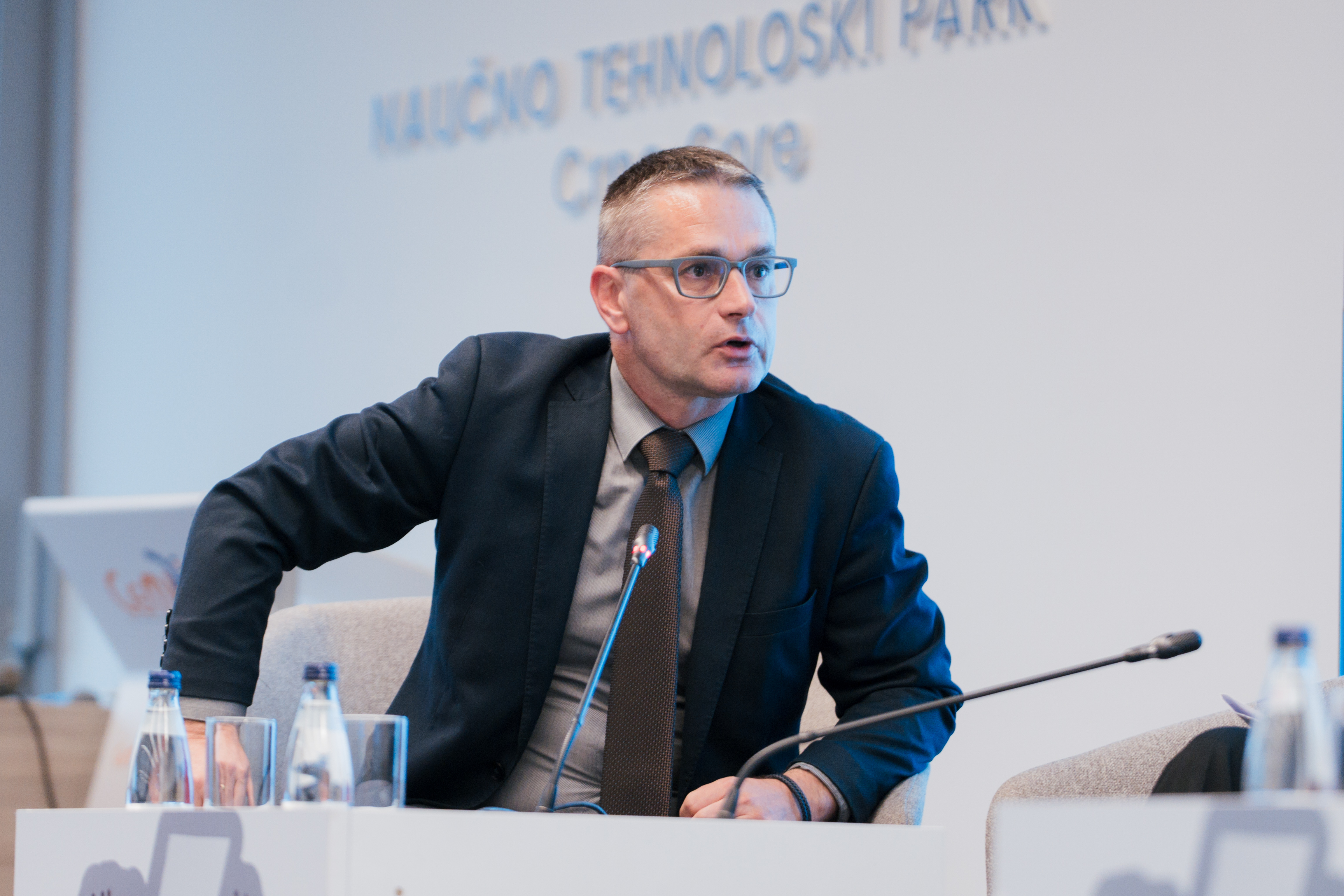
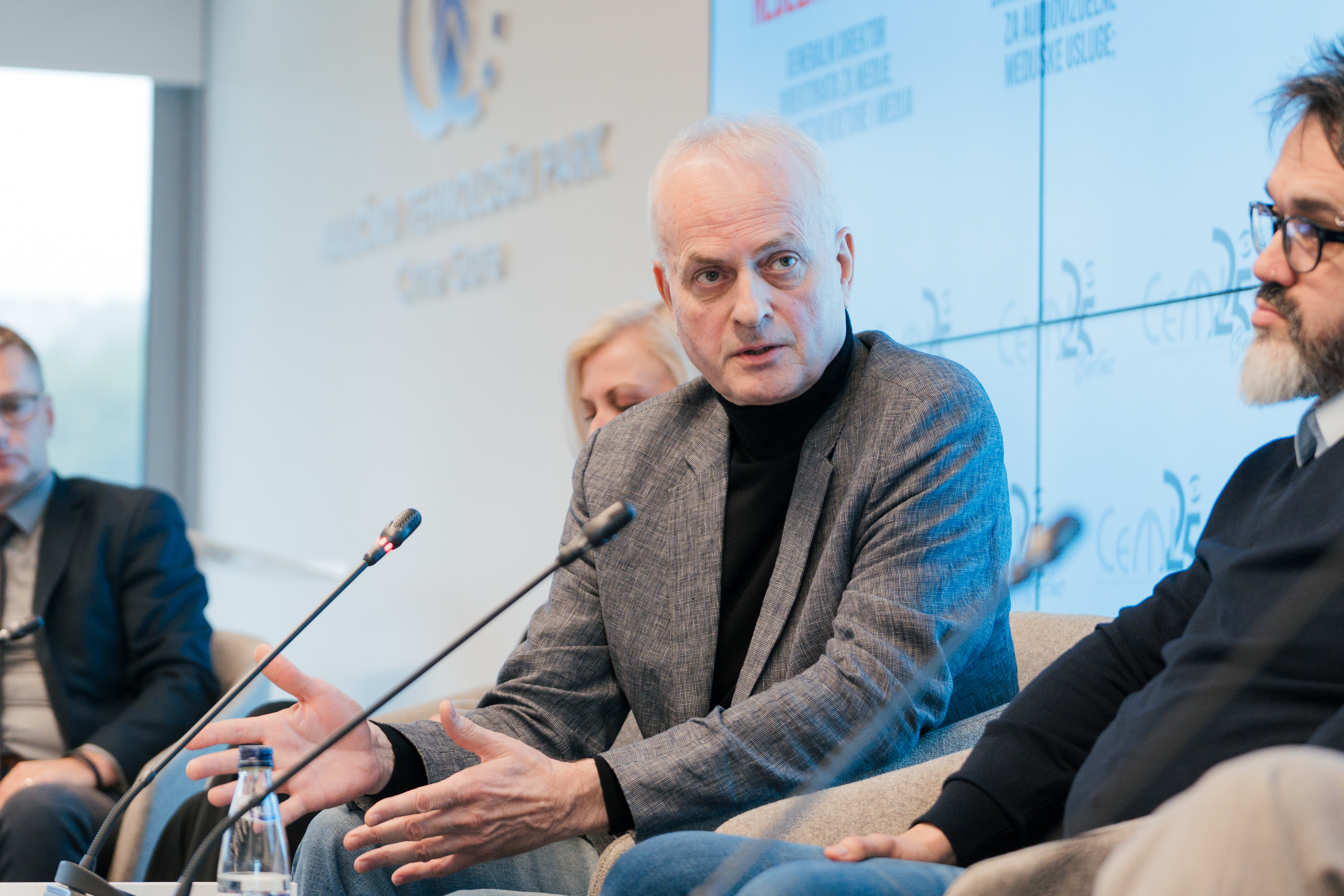
The Director General of the Media Directorate in the Ministry of Culture and Media, Neđeljko Rudović, said that there are over 200 registered media outlets in Montenegro, and that in such an environment there is a "variety" in the quality of media content.
"When it comes to the most influential media, they can receive a passing grade. The key test of media professionalism is whether they are consistent in their critical approach towards all political subjects, regardless of who is in power," Rudović stated.
He pointed out that public broadcasters have increased responsibility.
"If all media should have the same attitude towards the profession and ethics, then the public broadcaster must lead in that," said Rudović.
Speaking about the influence of foreign media, he recalled the situation from the period 1989-1991, when print and electronic media outside Montenegro, such as Politika, Večernje novosti, and Television Belgrade, shaped public opinion in the country.
"Today that influence has been reduced to a minimum, and Montenegrin media have the main role in shaping public opinion," Rudović believes.
According to him, one of the key steps for strengthening Montenegrin media is their financial stability.
"All domestic commercial media that want to deal with topics of public interest apply for funds from the Media Pluralism Fund, which this year has been increased to almost three million euros, while two years ago it amounted to only half a million euros. Stable financing is also provided for the public broadcaster and local public broadcasters, which together employ over 1,200 journalists and media workers. This enables them not only secure salaries but also production funds," Rudović said.
He emphasized that Montenegro cannot defend itself from unprofessional and propaganda content by blockades, but by strengthening professional and free media.
"Montenegrin media must, through their content, creativity, and professionalism, be up to the task to guarantee that Montenegro will not be governed from outside," Rudović stressed.
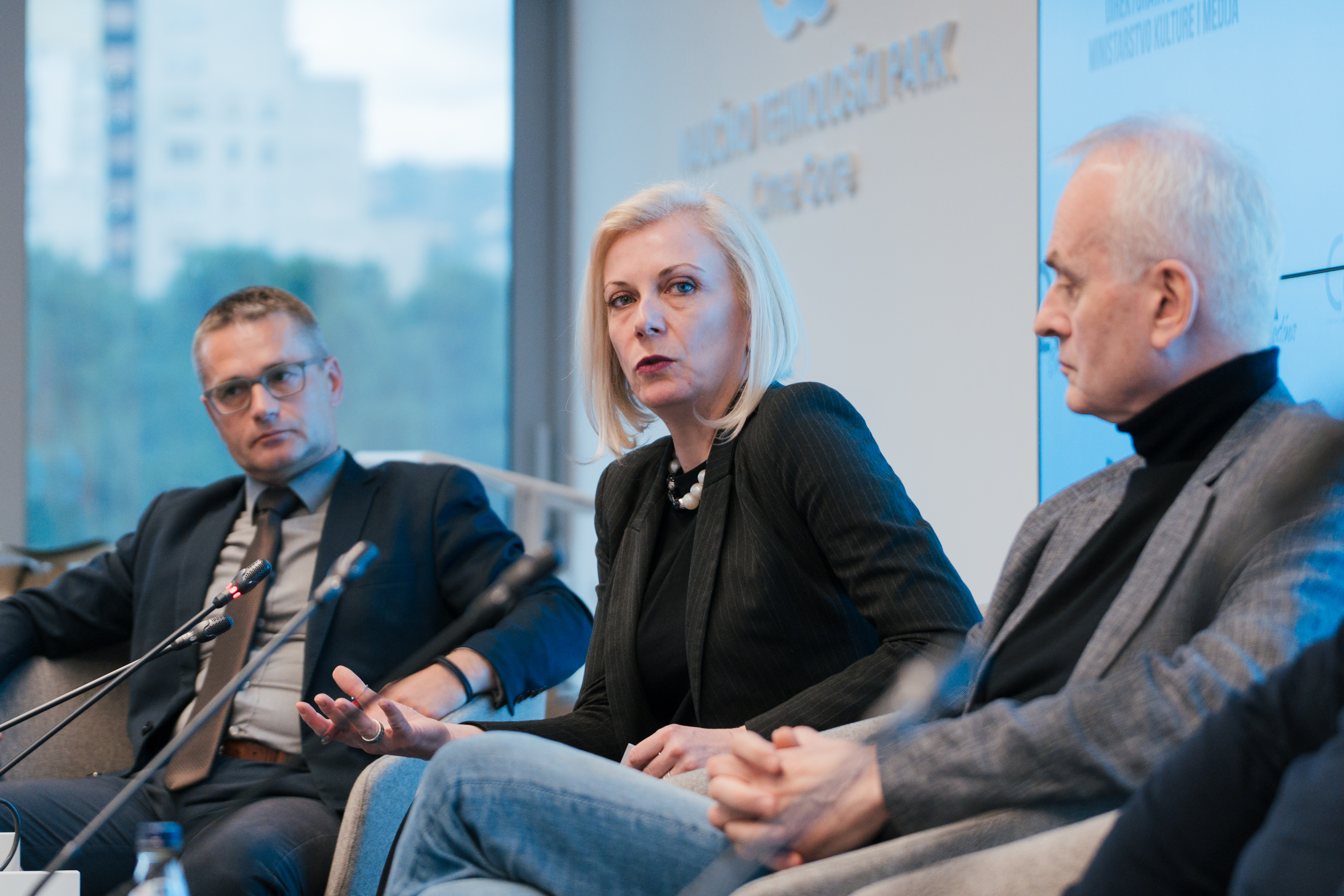
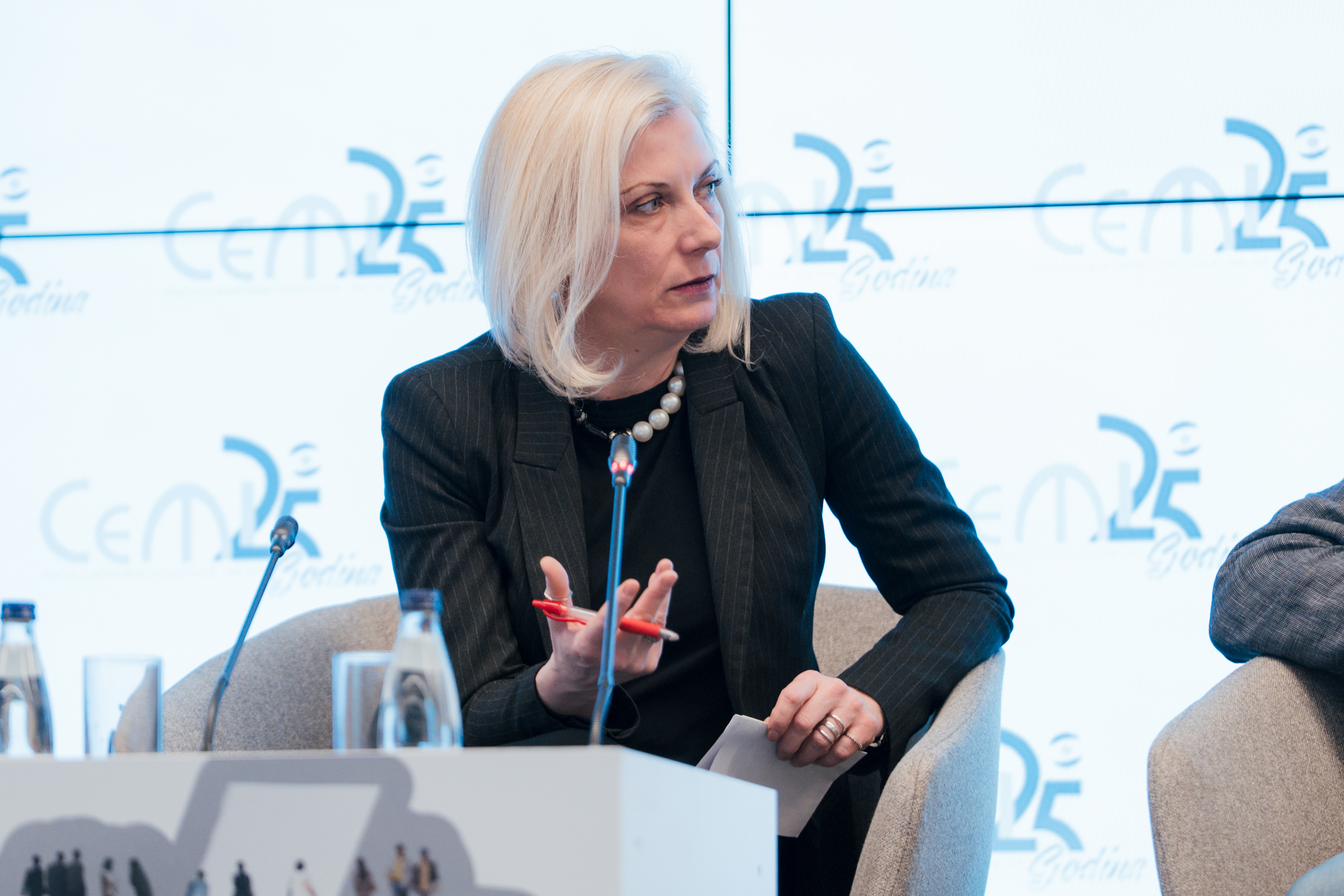
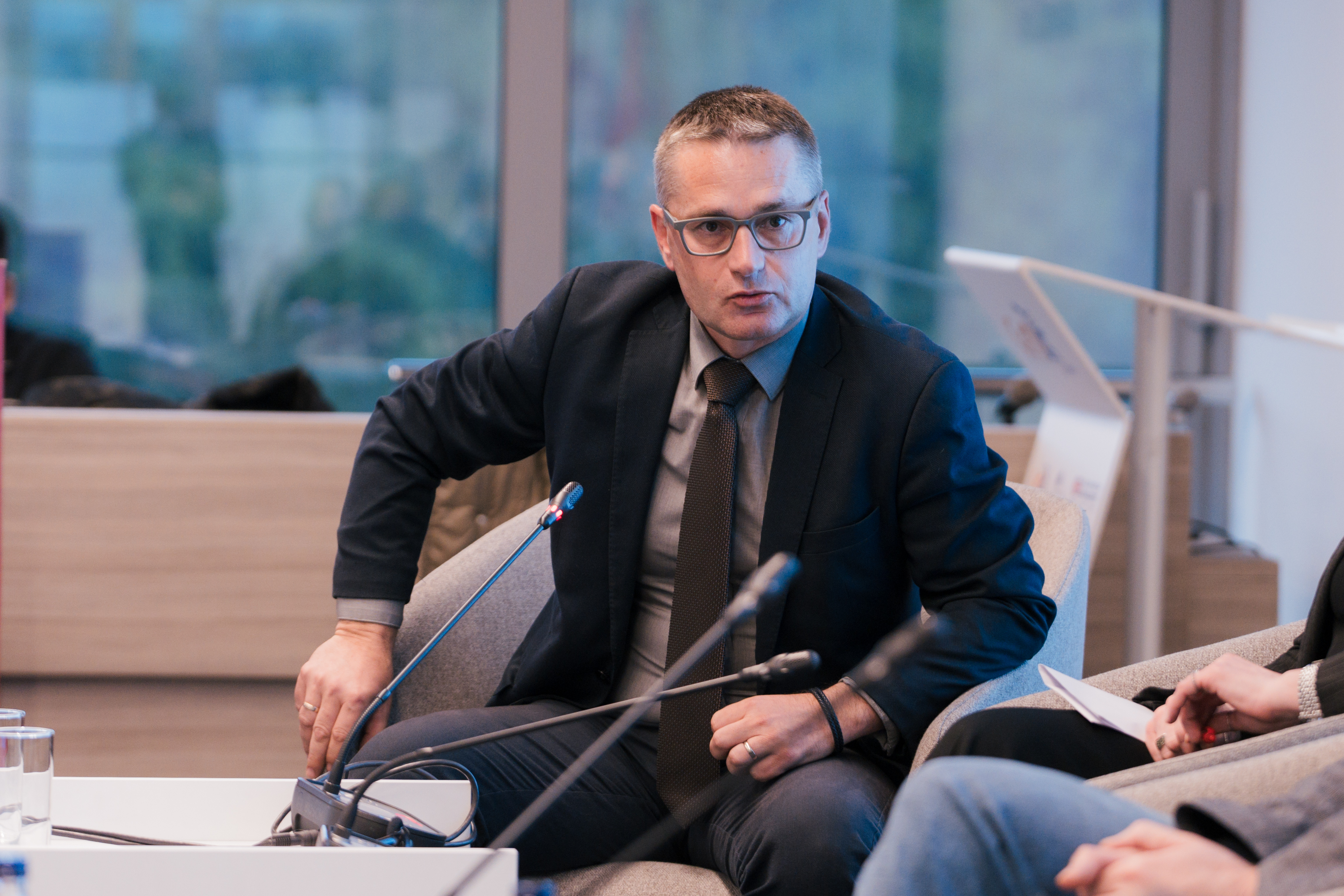
The Director of the Agency for Audiovisual Media Services, Sunčica Bakić, referred to regulations that define media representation during election campaigns.
She reminded that the rules are set by the Law on the Election of Councilors and Deputies, with several amendments introduced through the Law on Electronic Media, and now also the Law on Audiovisual Media Services.
"We have in the region, in the Western Balkans, states where there are significant distortions of the media market that burden electoral processes. I would not say this is the case in Montenegro, but far from the situation being ideal," Bakić said.
She pointed out that one of the key problems is the fact that the Law on the Election of Councilors and Deputies has not been changed for years due to the lack of political consensus.
"That law does not recognize online channels of political communication, nor other forms of political advertising, and it is in collision with the Law on Audiovisual Media Services. There is a clear tendency that political parties increasingly redirect their financial capacities to online channels of political communication, which are not regulated," Bakić said.
She highlighted the problem of polarization of the Montenegrin media system, where private media during election campaigns often provide space to political parties free of charge, and in some cases with clear favoring of certain parties and ideologies.
"We do monitoring, literally measuring every second dedicated to the representation of a particular political party and publish reports about it. However, the Agency does not have adequate sanction mechanisms," Bakić explained.
Speaking about possible foreign influence on elections, Bakić stated that the Montenegrin legal system cannot regulate supervisory entities outside its borders.
"At the last elections in Nikšić, we documented that in one morning program of a regional television there were more minutes dedicated to elections in Montenegro than in the country itself. But illegitimate interference in electoral processes is not a basis on which we can initiate a procedure," Bakić explained, adding that the Agency can react only if hate speech standards are violated.
She assessed that a comprehensive electoral reform is necessary, which would ensure more equal representation of electoral campaigns and regulate new media flows.
"We are faced with a different functioning of the media system. Maybe we should not do monitoring as before, but better control the financing of political parties and amounts of money invested in online promotion," Bakić said.
She emphasized that responsibility should not only be on media and regulatory bodies but also on political parties and politicians.
"We lack political will. I understand that electoral reform will happen one day, but it is important that it happens as soon as possible," Bakić was clear.
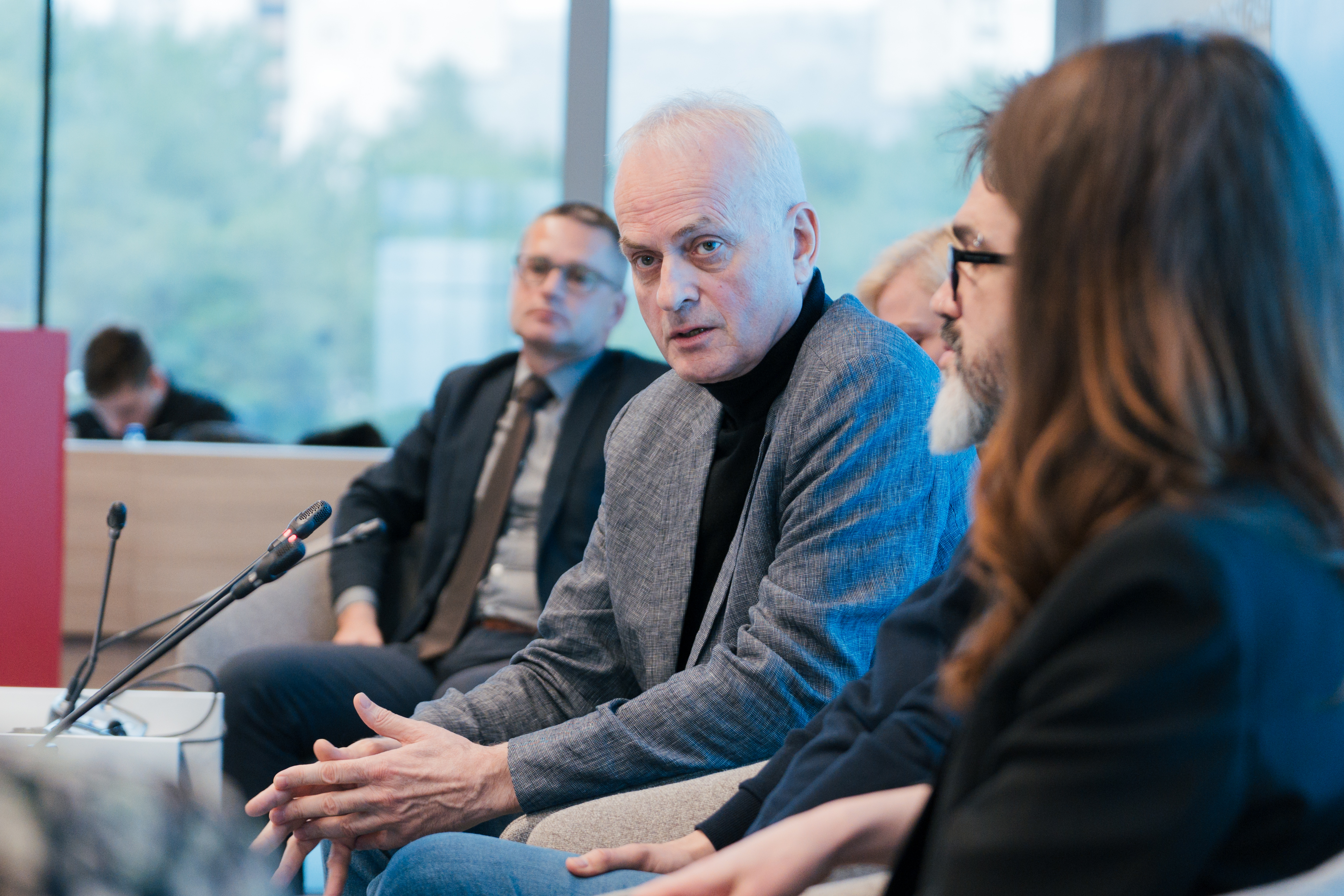
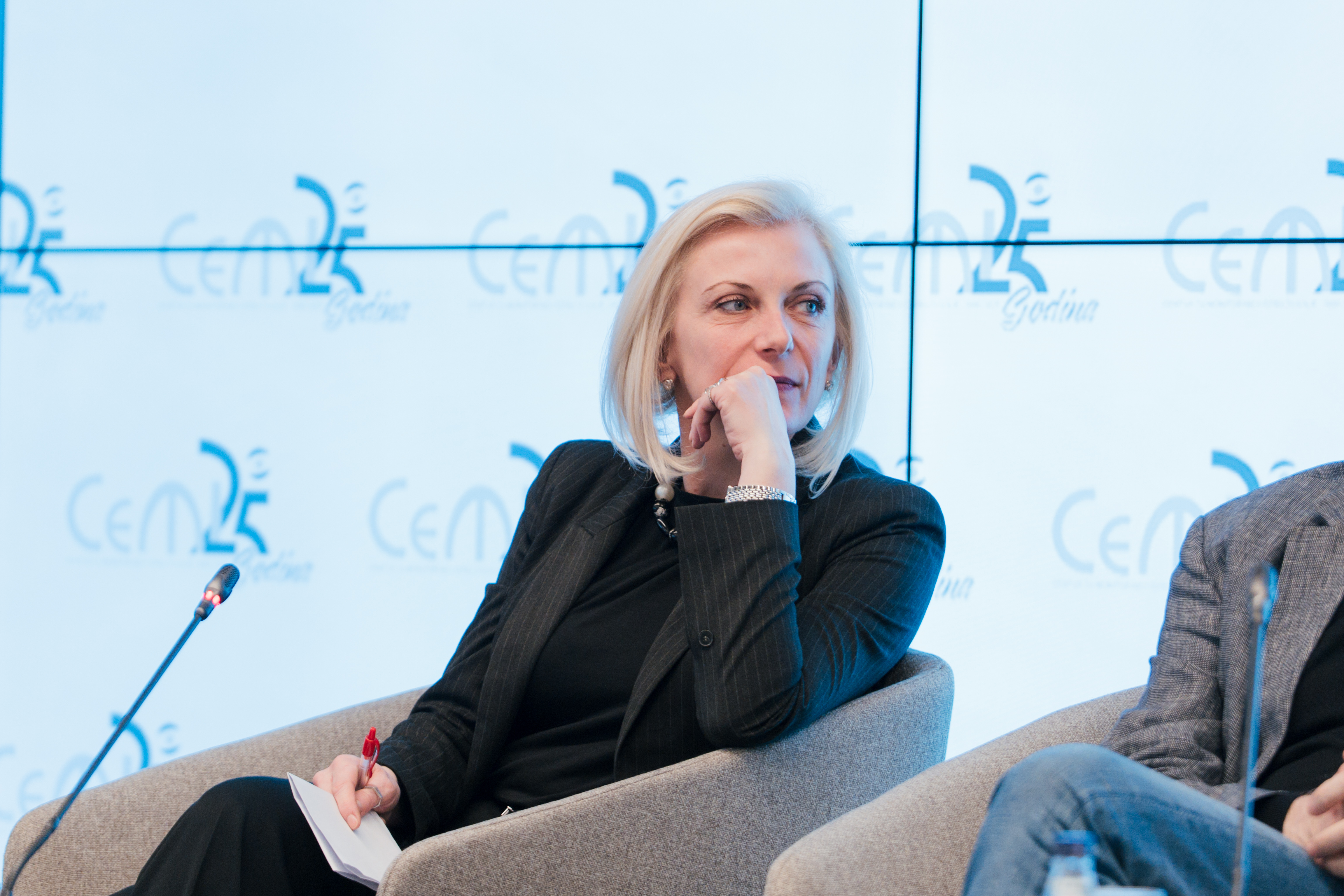
The Executive Secretary of the Media Council for Self-Regulation, Ranko Vujović, stated that this body has not received complaints about media work during elections in the last ten years.
As he explained, the members of this Council are not prone to violating the code and laws during election campaigns.
"Our members do not belong to those types of media that violate codes, laws, and behave brutally during the election campaign. So that is not something characteristic of them," Vujović said.
Speaking about reporting by Montenegrin media, Vujović pointed out the global phenomenon of interference by foreign actors in electoral processes through modern technologies.
"Elections have become a global phenomenon. Technology allows all global actors to interfere in your local elections. So far, no one in the world has found a mechanism to prevent that, except perhaps authoritarian countries like Russia and China, which have strictly limited their space and even protected themselves from the internet to prevent interference in their electoral processes. The entire West has remained open to outside interference, and Russia has been using that for ten years on a large scale," Vujović emphasized.
When asked by a journalist if the institute of electoral silence is rendered meaningless due to online campaigns, Vujović answered that he is "extremely fond" of that institute but admits that it does not function in practice.
"You have a month of strong pressure and then two days to rest. But in reality, the campaign continues during those two days via social networks. The problem is not in the institute itself, but that social networks should be regulated at the European or even global level, including those two days before the elections. I think electoral silence is useful for citizens, but the propaganda machine continues to work without problems," Vujović said.
He assessed that global events will largely determine politics and influences on electoral processes in Montenegro.
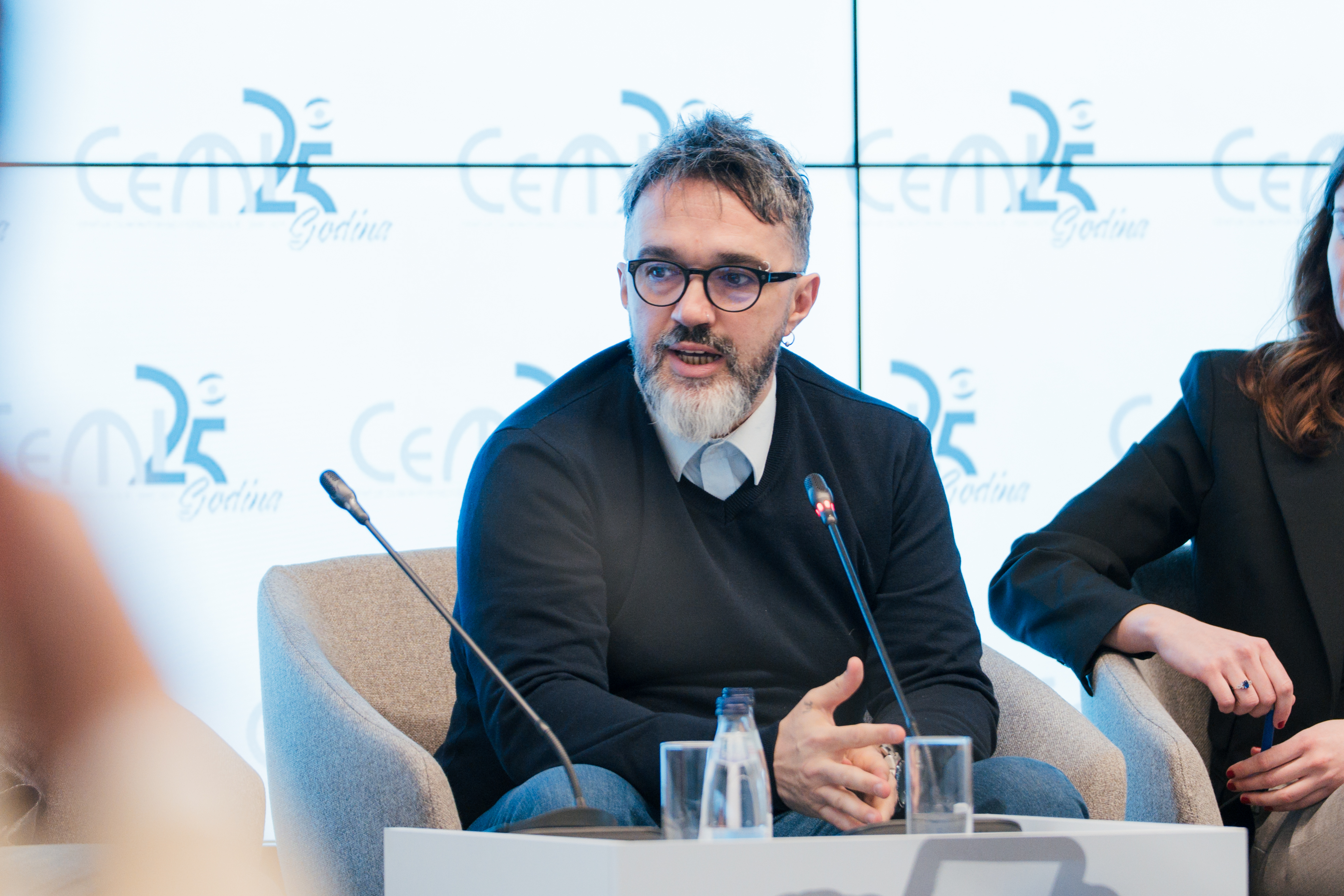
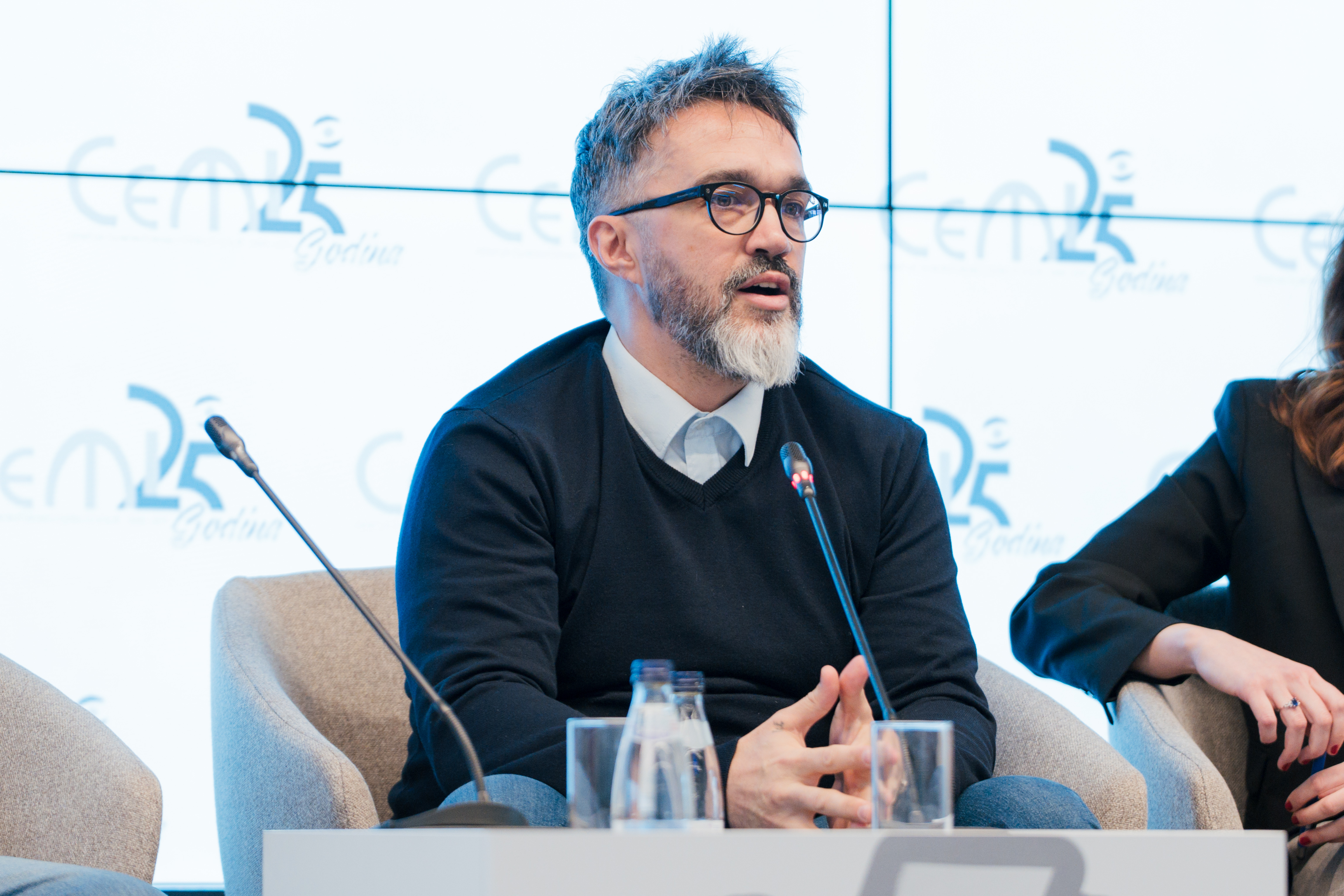
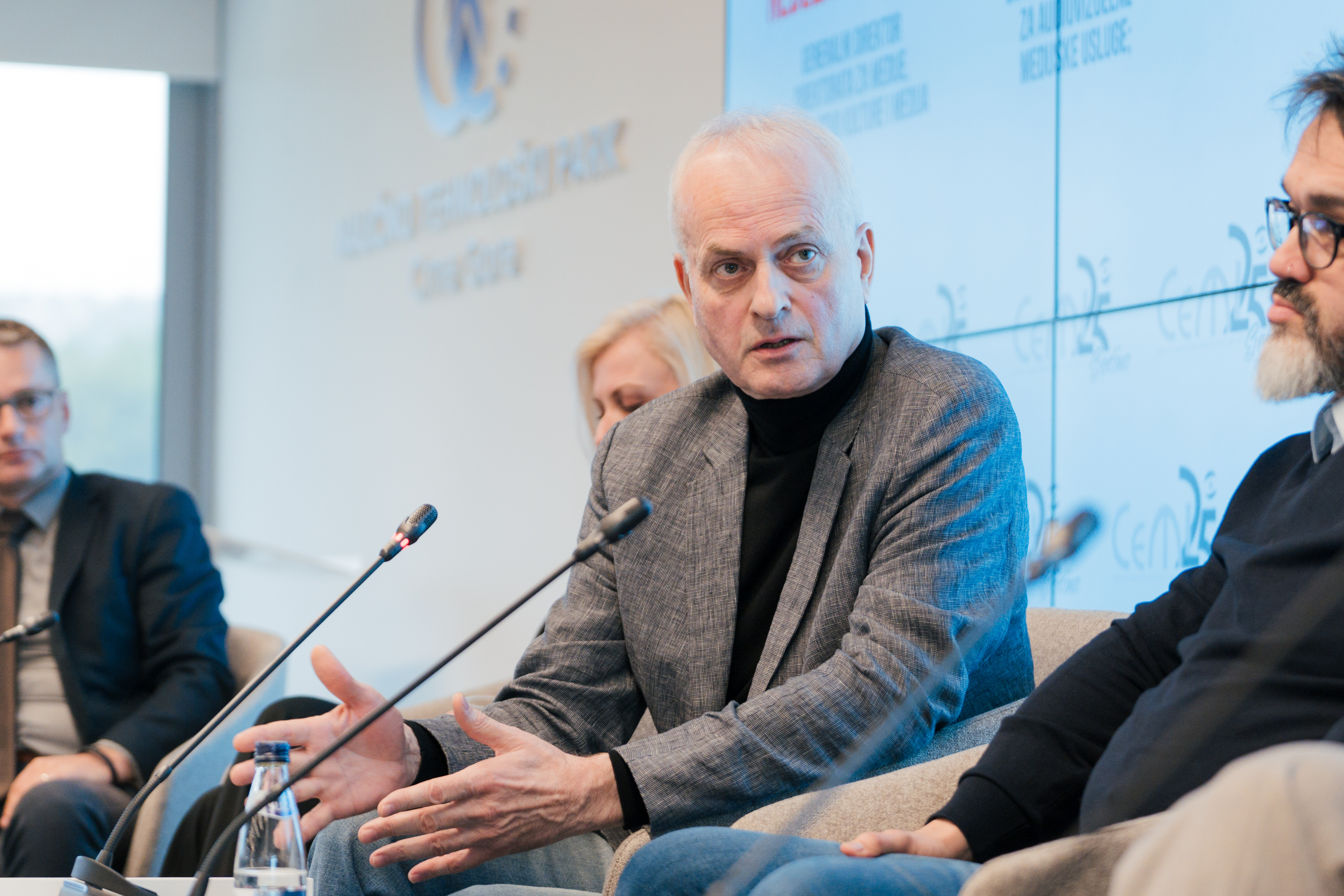
The founder and director of NGO "35mm" and member of the Civic Council, Darko Ivanović, made a harsh critique of the current media situation in Montenegro, pointing out the problematic role of political structures and the lack of effective regulatory mechanisms.
"I wear many hats and from different perspectives can contribute to dialogue. I worked in the Agency for Electronic Media before, and what I can say is that there are no concrete mechanisms that would prevent media abuse. There are warnings, but they do not bring real changes," Ivanović stated.
He assessed that the state has neither the will nor political power to solve this problem.
"We, media consumers, are in limbo, we expect the state to intervene, and it cannot. Every government repeats the same story, and I, as a long-time journalist and activist, am tired of listening to those lamentations without concrete solutions," Ivanović said.
He placed special emphasis on online media, which today form the largest part of public opinion, and at the same time are completely unregulated.
"Eighty percent of the information that shapes our attitudes comes from online platforms, not from traditional media. This creates a huge discrepancy, while politicians, who should regulate that space, do not care at all what media do. They see them as a service—whether public or private media," Ivanović said.
He also pointed out the problem of misogyny in Montenegrin media.
"When I worked on the campaign of the only female candidate for president of Montenegro, I saw the amount of toxicity and misogyny on social networks. If a woman is determined in politics, she is immediately characterized as 'arrogant'. This is a space occupied by men, and women have to try twice as hard to be taken seriously," Ivanović believes.
He pointed out three pillars on which, he believes, a functional media scene must be built: education of the population, dialogue with editors and journalists on respecting the code, and political will for regulation.
"None of these pillars is seriously developed. Media are either under complete control of regional groups or self-regulation is used as a platform for further polarization. If we do not stabilize this 'chair' we are sitting on, we will collapse democracy," Ivanović said.
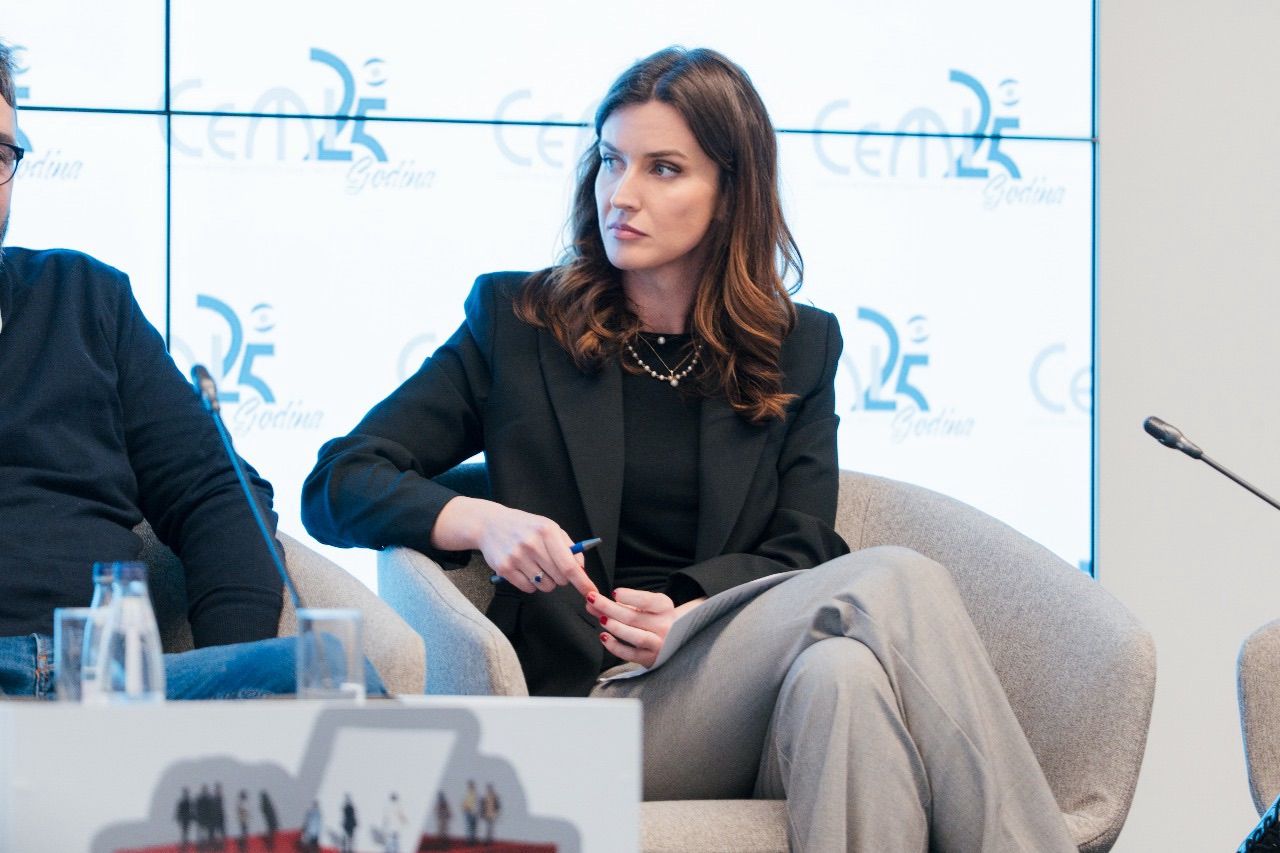
Program Director of CeMI, Teodora Gilić, emphasized that online violence against women in politics represents a serious problem, stressing that it happens within the wider problem of gender inequality in Montenegro.
"I think that online violence against women in politics is very problematic because it represents part of a wider problem of gender inequality in Montenegro, deeply rooted stereotypes, and a political culture in which male domination is expressed," Gilić said.
She reminded that CeMI has implemented several projects since 2020 related to online violence against women in politics, monitoring negative narratives on social networks.
"What we managed to record is that women go through online violence much more, although I would emphasize that men involved in politics, public affairs, and activism are not spared either," she added.
According to her, gender stereotypes are one of the key causes of this problem.
"Many narratives we noticed on social networks contain claims that a woman should not engage in politics because it is a 'man's job,' that she should be a mother and housewife, or deal with jobs that do not involve political decision-making and public exposure," Gilić explained.
Besides online violence against women, Gilić pointed out a broader problem of violence in political discourse.
"General violence, both online and offline, does not occur only towards women but also towards political dissenters, representatives of the civil sector, and certain other groups who publicly express their views," Gilić stated.
As one of the key problems, she mentioned the absence of a culture of dialogue and weak institutional response.
"We currently do not have data on how many of these cases have been processed, but what we know from talks with women who were victims of online violence is that the reporting process is complex and often painful for them. They are required to absolutely document every case of hate speech or threats, which discourages many women from proceeding further," Gilić explained.
She assessed that it is very important to encourage women to report violence and try to overcome the trauma and stress they have experienced.
"Also, media should have a greater role in raising awareness about this problem. Instead of sensationalist headlines, more critical reviews and condemnation of violence are needed, as well as attempts to find solutions," Gilić concluded.