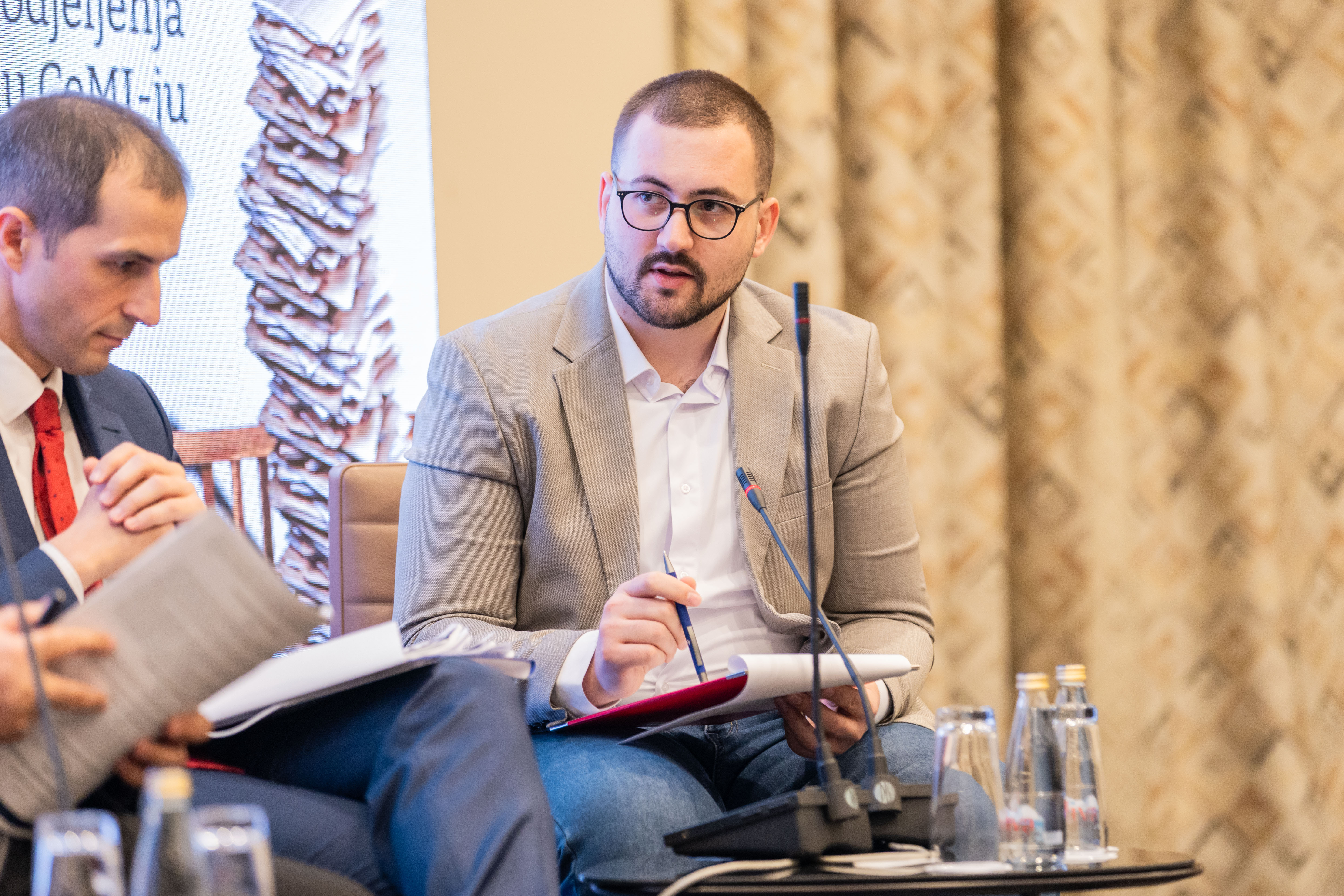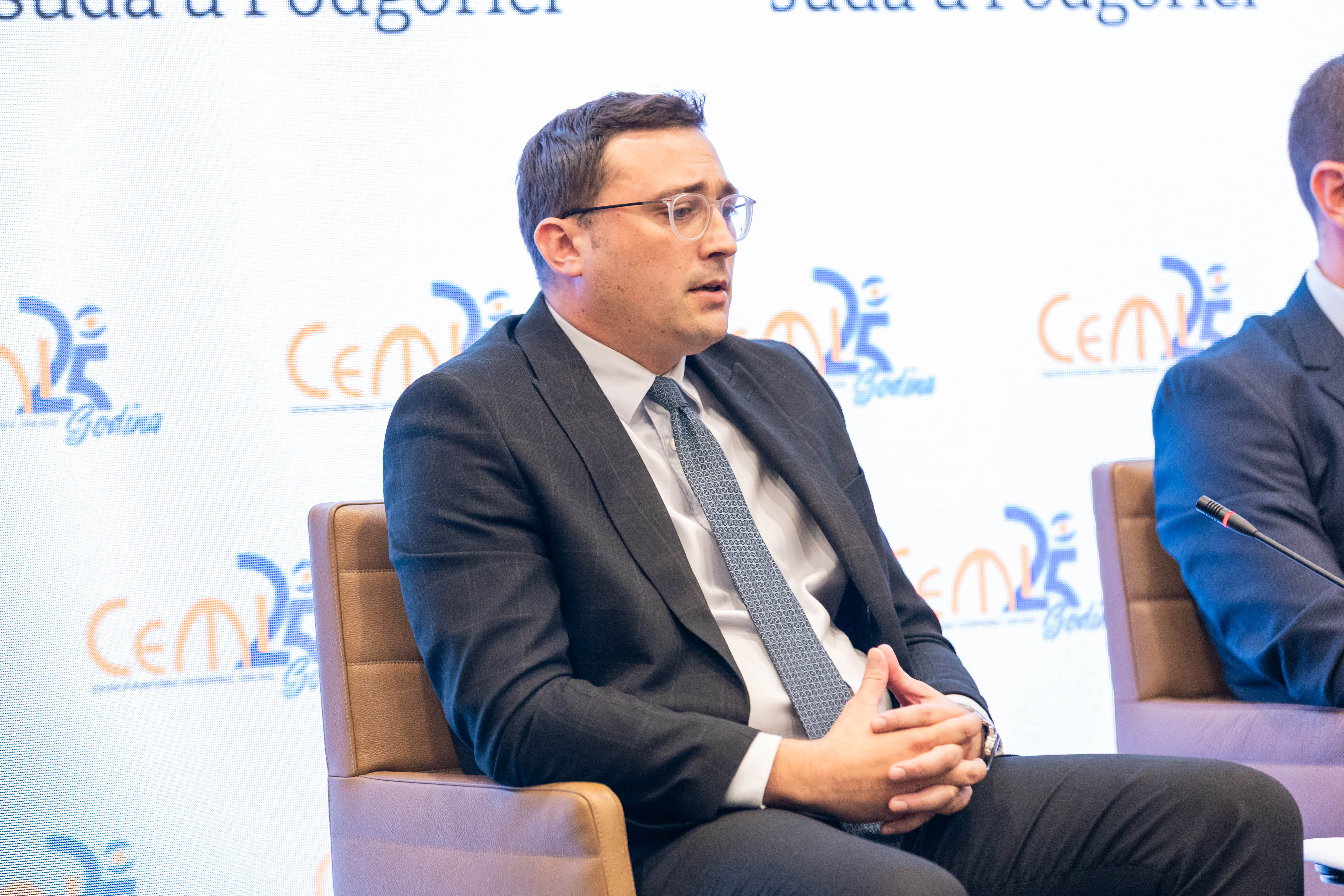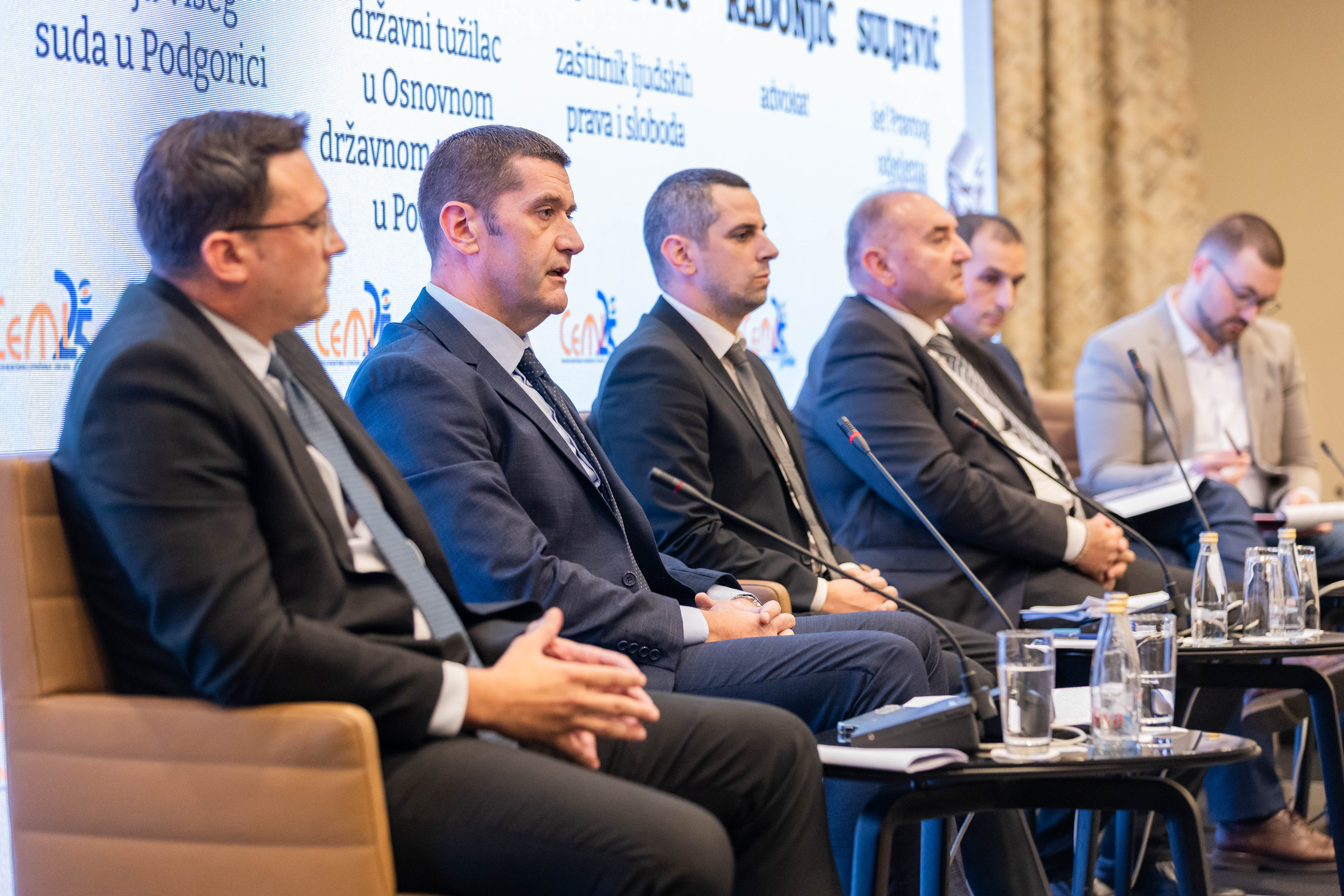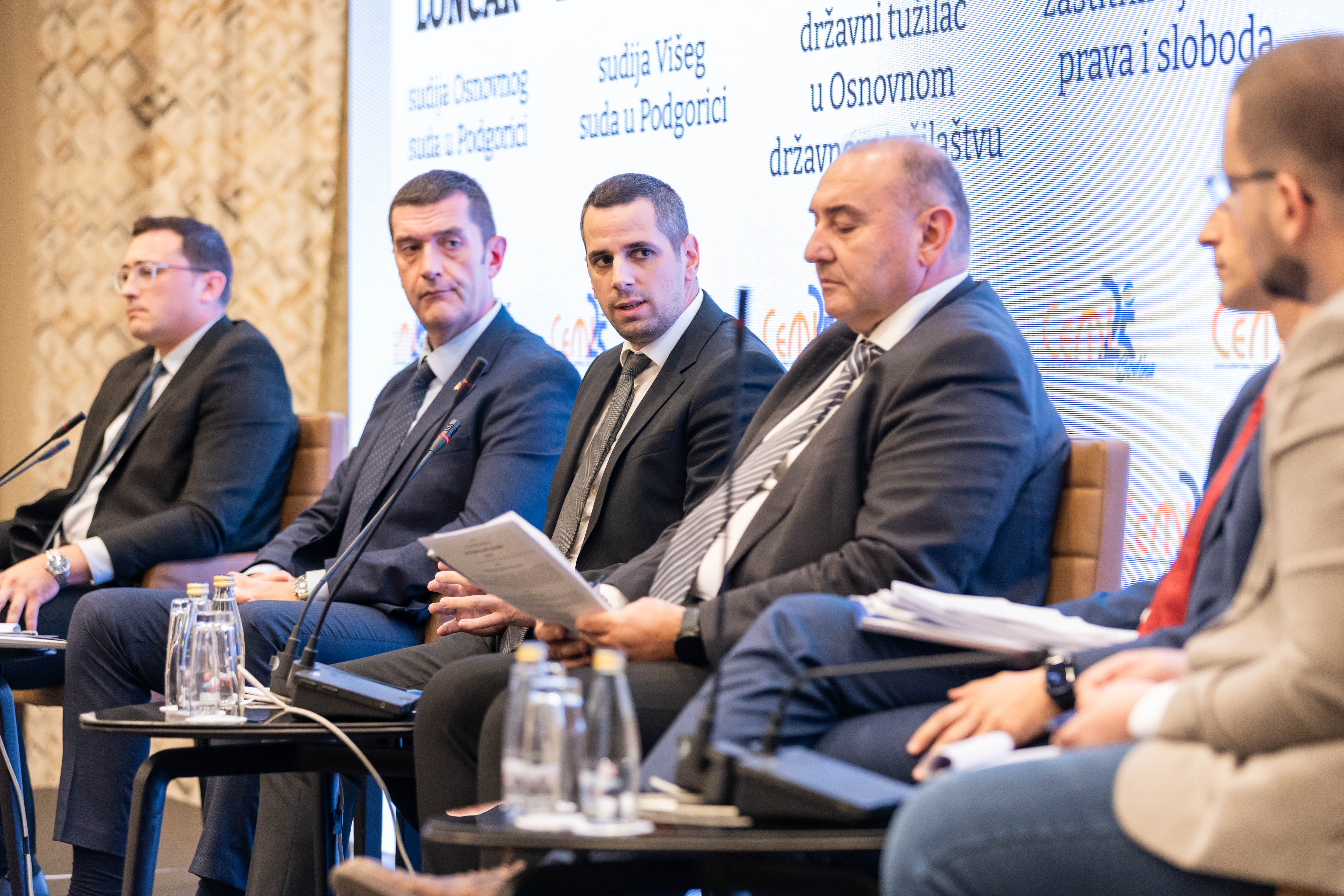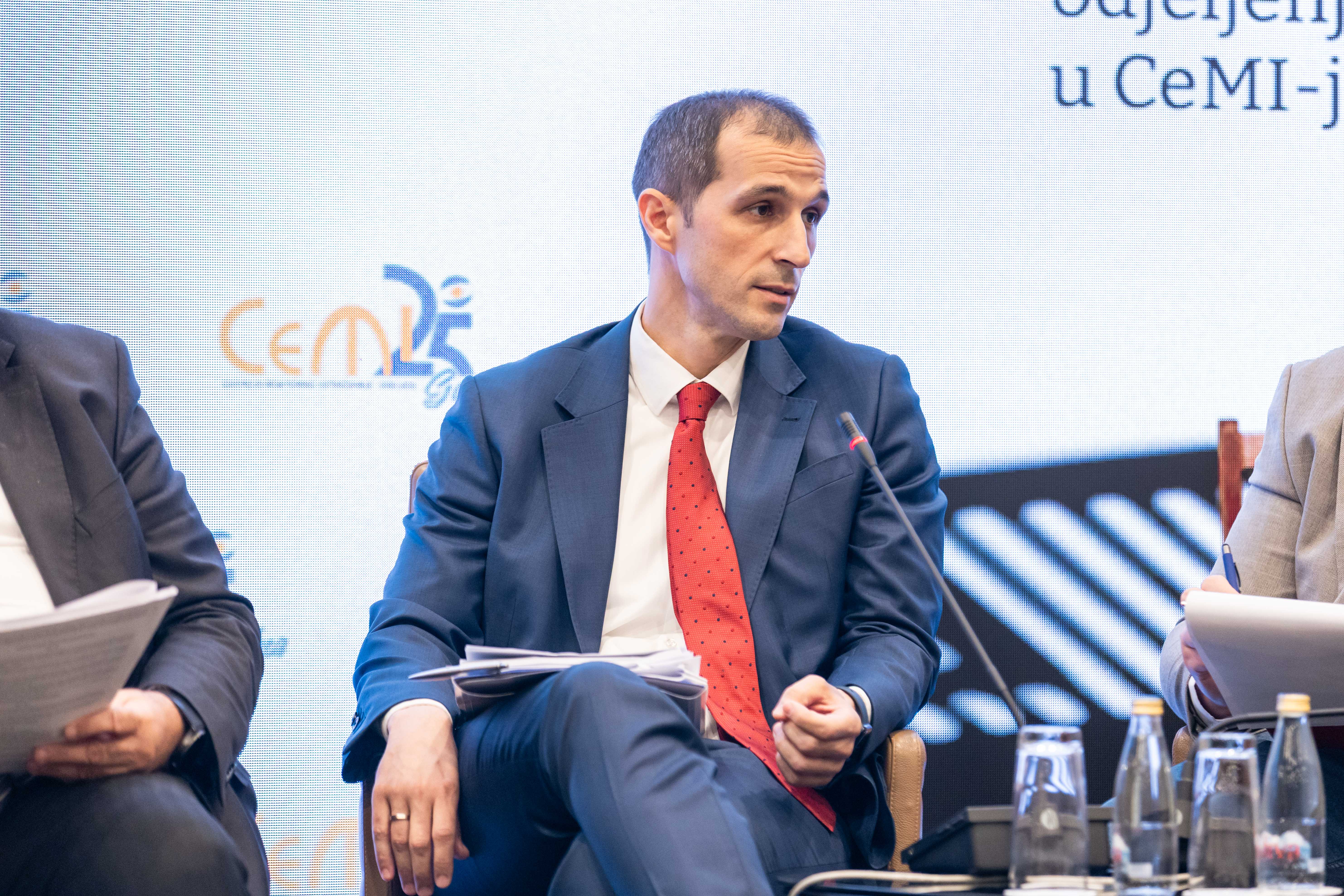
In Montenegro, the majority of citizens believe that corruption is present in the public sector, with the most commonly perceived forms being the provision of services and giving gifts, according to a survey conducted by the Center for Monitoring and Research (CeMI).
The study on corruption and the grey economy: attitudes and experiences was carried out on a representative sample of 1,005 Montenegrin citizens in June of this year.
Nemanja Stankov, Head of the Public Policy Research Department at CeMI, stated that most citizens believe corruption is present in the public sector, noting that 7.8% think almost all officials are involved, 31.3% believe it concerns the majority, and 34.3% think it involves a smaller number of officials.
“The most commonly perceived forms of corruption relate to the provision of services (53.4%), followed by giving gifts (51.5%), while giving money was considered the least likely (34%) among the options presented,” Stankov said at the press conference.
According to him, although the majority of respondents (52%) said they would not accept a bribe because they consider it unacceptable, Stankov pointed out a decrease in resolute refusal compared to 2023, when it was 77.2%.
“At the same time, the share of citizens without a clear stance has increased to 26.9%, compared to 3.2% in 2023,” he said.
He noted that the survey also asked about situations in which an official directly requests a bribe. Thirty-five percent of citizens said they would under no circumstances pay it, 24.5% would refuse if there were another way to resolve the issue, and only a small portion (6.7%) said they would definitely pay.
“The largest share of respondents, 40.1%, believe that corruption will always exist but can be limited to a certain degree. The number of citizens who believe it is possible to completely eradicate corruption has increased to 19.2% this year, compared to 10.4% in 2023, while the share of those who think corruption can be significantly reduced has fallen sharply to 7.7%, compared to 41.5% in 2023.”
“Citizens perceive that decisions are primarily made in the interests of political parties (37.6%) and business elites (18.8%), while only 5.1% believe that the public interest is considered when making decisions. More than half of citizens believe that public resources are managed or sold for the benefit of a narrow circle of people, either occasionally (34.6%) or very often (20.4%),” Stankov said.
He pointed out that, regarding the main obstacles to the country’s independence, respondents most frequently cited corruption among politicians and officials (23.4%), as well as the subordination of public institutions to private or political interests (20.5%).
Presenting the findings related to citizens’ perceptions of the judiciary, CeMI project assistant Luka Pavićević stated that the majority of respondents (68.8%) have never been involved in a court process, while 6.6% have.
“We asked respondents who had been involved whether they thought it was possible to influence the outcome of a lawsuit in any way, either through services (gift, money) or through connections. One-third of respondents (33.3%) believe that it was somewhat possible to influence the outcome through services, money, or connections, while 9.1% believe it was definitely possible. Conversely, 24.2% think it was not possible, and 13.6% are convinced it was impossible. One-fifth of respondents (19.7%) had no opinion,” Pavićević said.
Presenting data related to the grey economy, Pavićević said that citizens were asked whether they have a signed contract with their employer for their main job, with 73% of respondents saying they do, while 13.5% said they do not.
“Among respondents who have a signed contract with their employer, 6.5% stated that the actual salary they receive is higher than the one indicated in the contract,” Pavićević added.
Regarding levels of trust, Pavićević noted that citizens have the highest trust in doctors, teachers, professors, and representatives of non-governmental organizations.
“On the other hand, citizens have the least trust in leaders of political parties and coalitions – 70.1% have little or no trust, members of parliament – 67.6% have little or no trust, and local political leaders – 64.6% have little or no trust,” Pavićević noted.
The survey was conducted within the framework of the SELDI project: Civil Society for Good Governance and Anti-Corruption in Southeast Europe: Building Capacity for Evidence-Based Advocacy, Policy Impact, and Citizen Engagement (SELDI.net). The project is regional in scope and funded by the Delegation of the European Union.