Increasing the legal quota for women’s representation on electoral lists from 30 to 40 percent represents progress, but not the end of the road toward gender equality. As emphasized by the participants of the first episode of CeMI’s podcast “Without Filters”, genuine equality can only be achieved through profound changes within political parties, social attitudes, and the ways in which we select and develop leaders.
The first episode of the podcast “Without Filters”, titled “40 Percent Is Still Not Equality”, brought together speakers who reminded the public that the previous 30 percent quota was not consistently implemented. They warned that this is not merely another administrative failure, but a clear signal of how deeply rooted resistance to genuine gender equality remains.
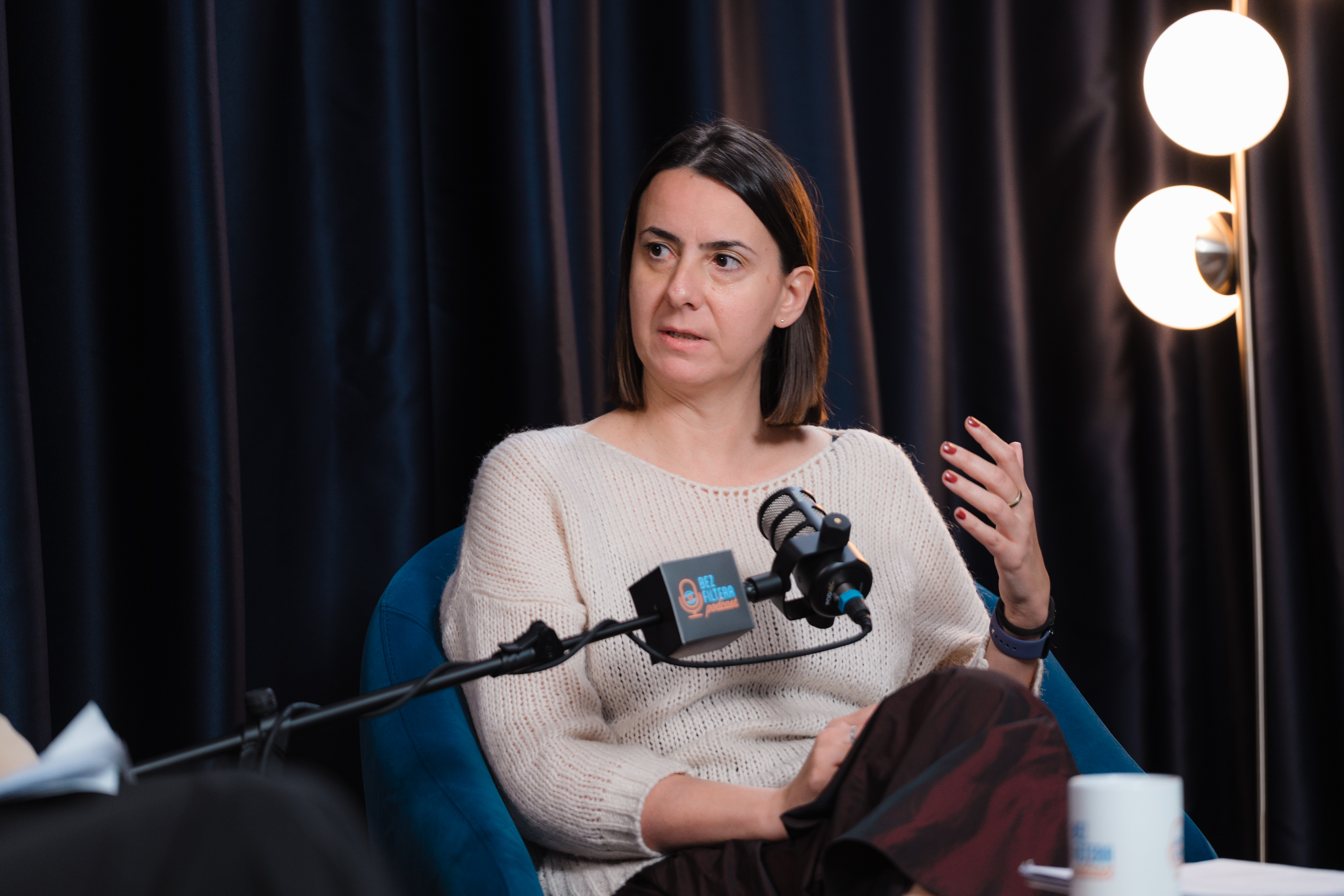
The Chair of the Committee on Gender Equality of the Parliament of Montenegro, Jelenka Andrić, noted that increasing quotas is not a final solution, but rather a transitional mechanism. “It is only a tool-a transitional phase toward the true equality we have been discussing for years. Although an increase of ten percent may seem small to some, looking back clearly shows how much even the 30 percent quota has made a difference,” Andrić said. She added that this solution is the result of a political compromise and could compel political parties to think more seriously about the composition of their electoral lists.
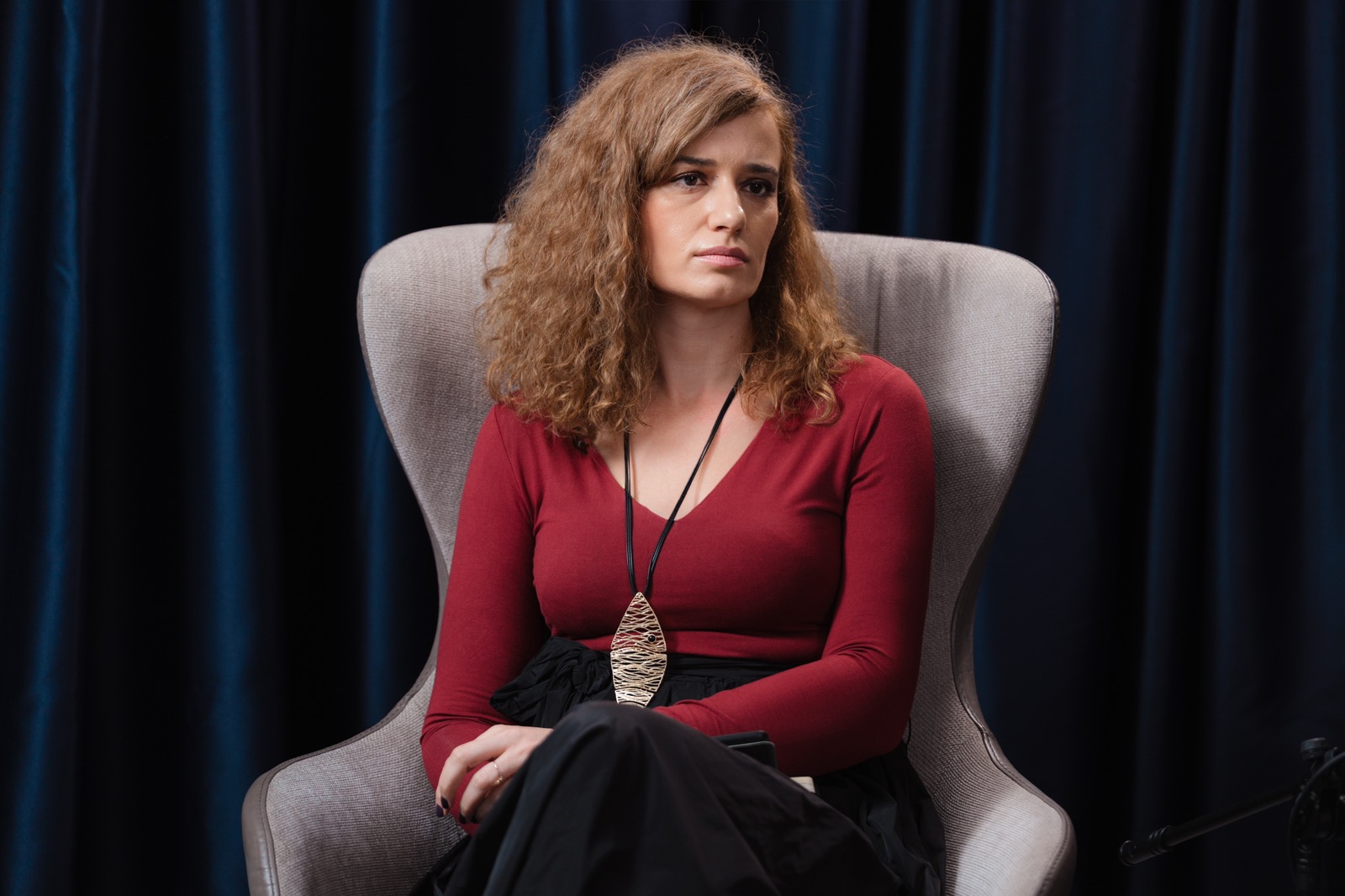
Professor at the Faculty of Political Science and gender equality activist, Olivera Komar, warned that the problem runs much deeper: political parties do not have a sufficient number of active female members who could be nominated. “The position of women within parties is far worse than it appears from the outside, as they still lack financial and organizational support,” Komar said. In a society where even among young women it is considered ‘modern’ to say ‘I am not a feminist,’ the struggle for political equality begins long before electoral lists-within the family, in the classroom, and on the street.
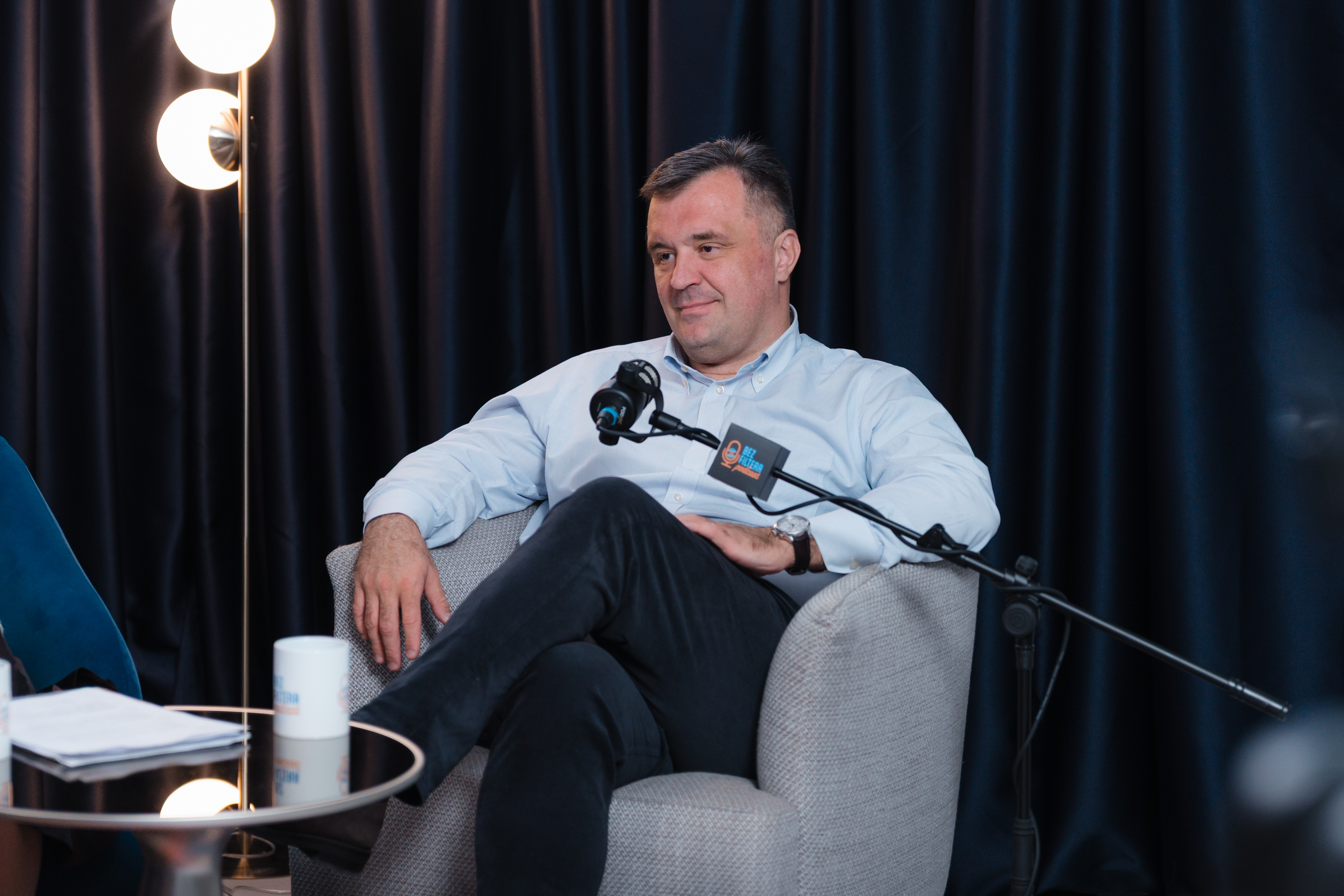
According to the participants, the focus must be on creating an environment in which women are not only included on electoral lists, but are also able to exert real influence on policies. This view was echoed by the President of Governing Board of CeMI and electoral reform expert, Zlatko Vujović, who warned that numbers alone are not a guarantee of quality. “Quotas are an instrument. They are an incentive for women to enter politics, but the goal is not merely quantity-it is quality: to have leaders capable of advancing society,” he emphasized. The weakness of domestic political parties, he added, lies not only in the lack of women, but in the absence of systematically developed leadership, whether female or male. Quotas, therefore, are only the beginning - a protective mechanism in the absence of a mature political system.
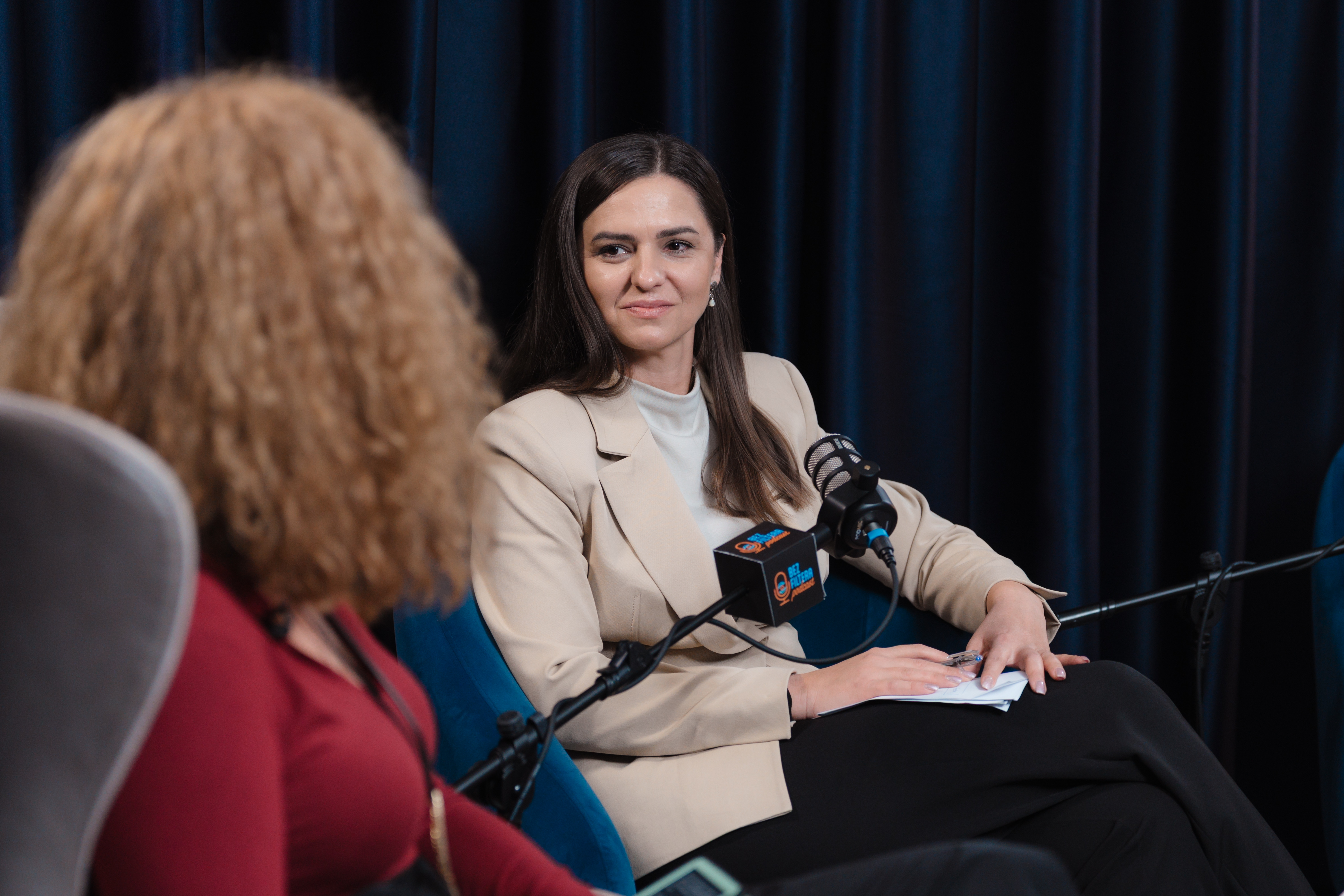
The paradox of political reality was also highlighted by the moderator of the discussion and BiEPAG member, Jovana Marović, referring to Monstat data for 2023: women constitute the majority of the population, yet remain a minority in politics. For this reason, she argued, change must begin with rhetoric - new forms of accepting inequality cannot represent a civilizational step forward, and achieving full equality is a daily struggle and a shared mission for all of us.
While political parties prepare to implement new legal solutions, genuine equality remains a challenge that requires more than numbers and statistics: it demands cultural change, investment in women, and the courage to break the status quo - by both women and men. This was the key conclusion of the first “Without Filters” podcast, produced by CeMI within the project “Overcoming Gender Bias and Strengthening Women’s Political Participation in Montenegro through Public Information, Capacity-Building Trainings, and Advocacy for Gender Representation”, with financial support from the Canadian Embassy through the Canada Fund for Local Initiatives (CFLI).
The views expressed in the podcast do not necessarily reflect the views of the Canadian Embassy.