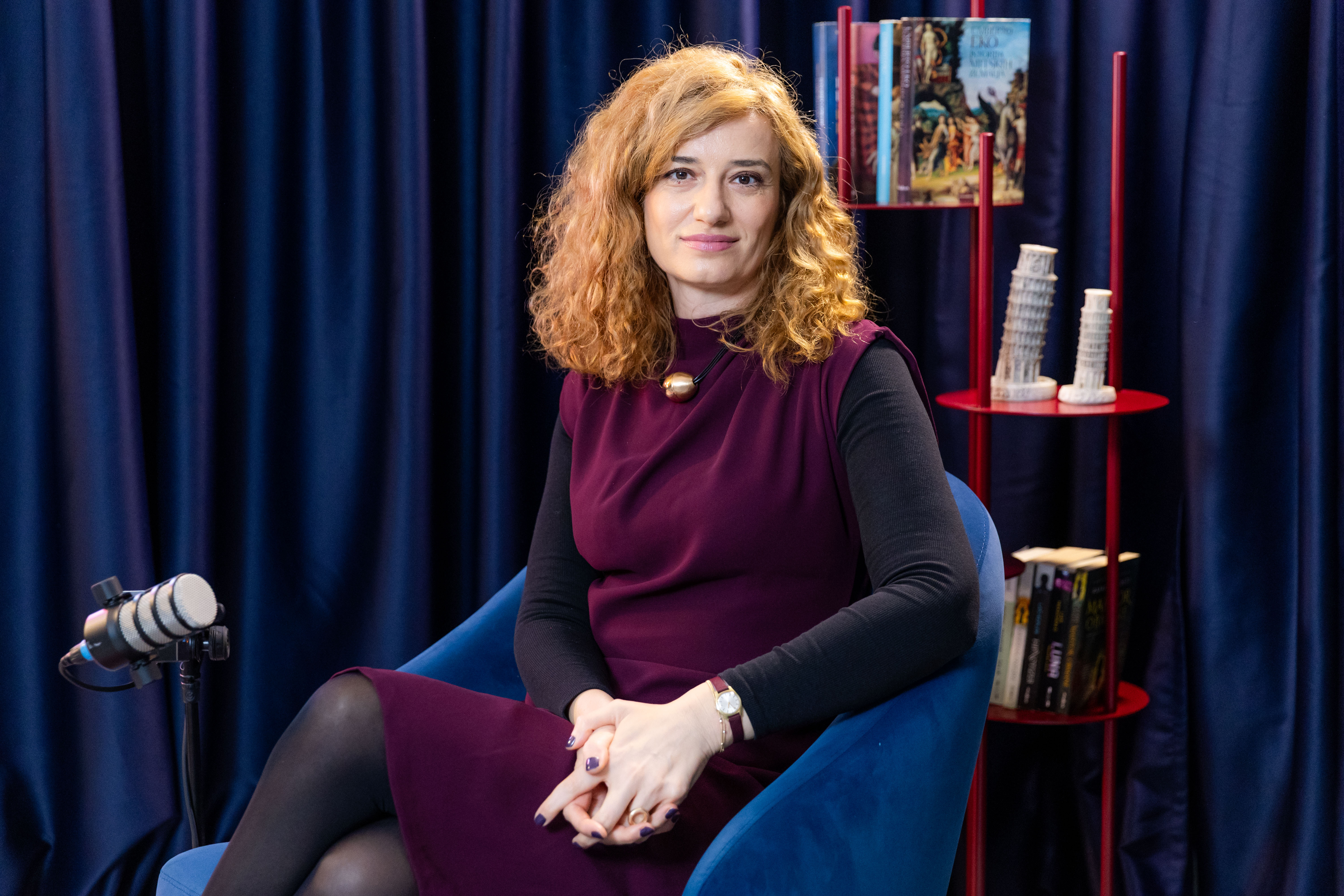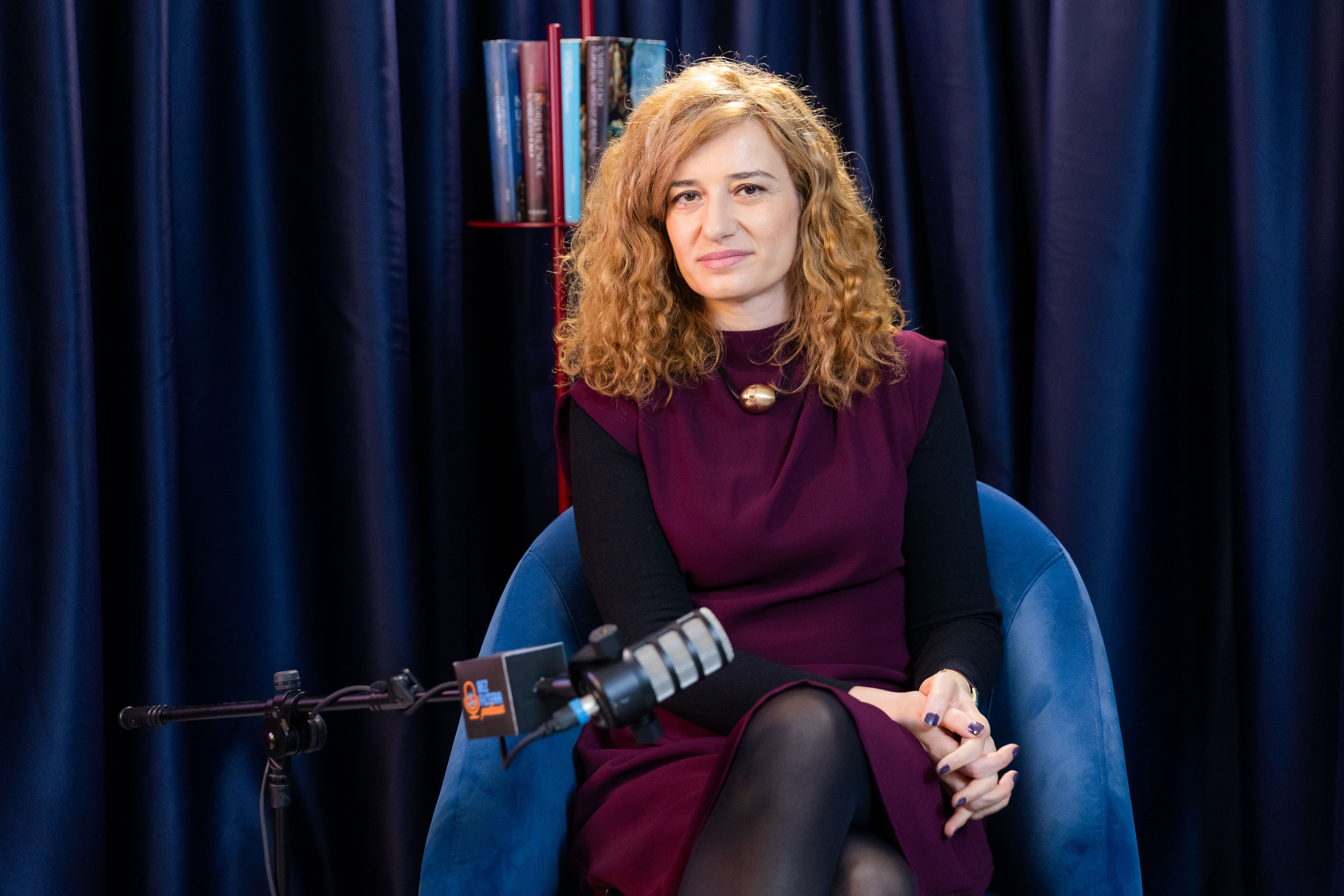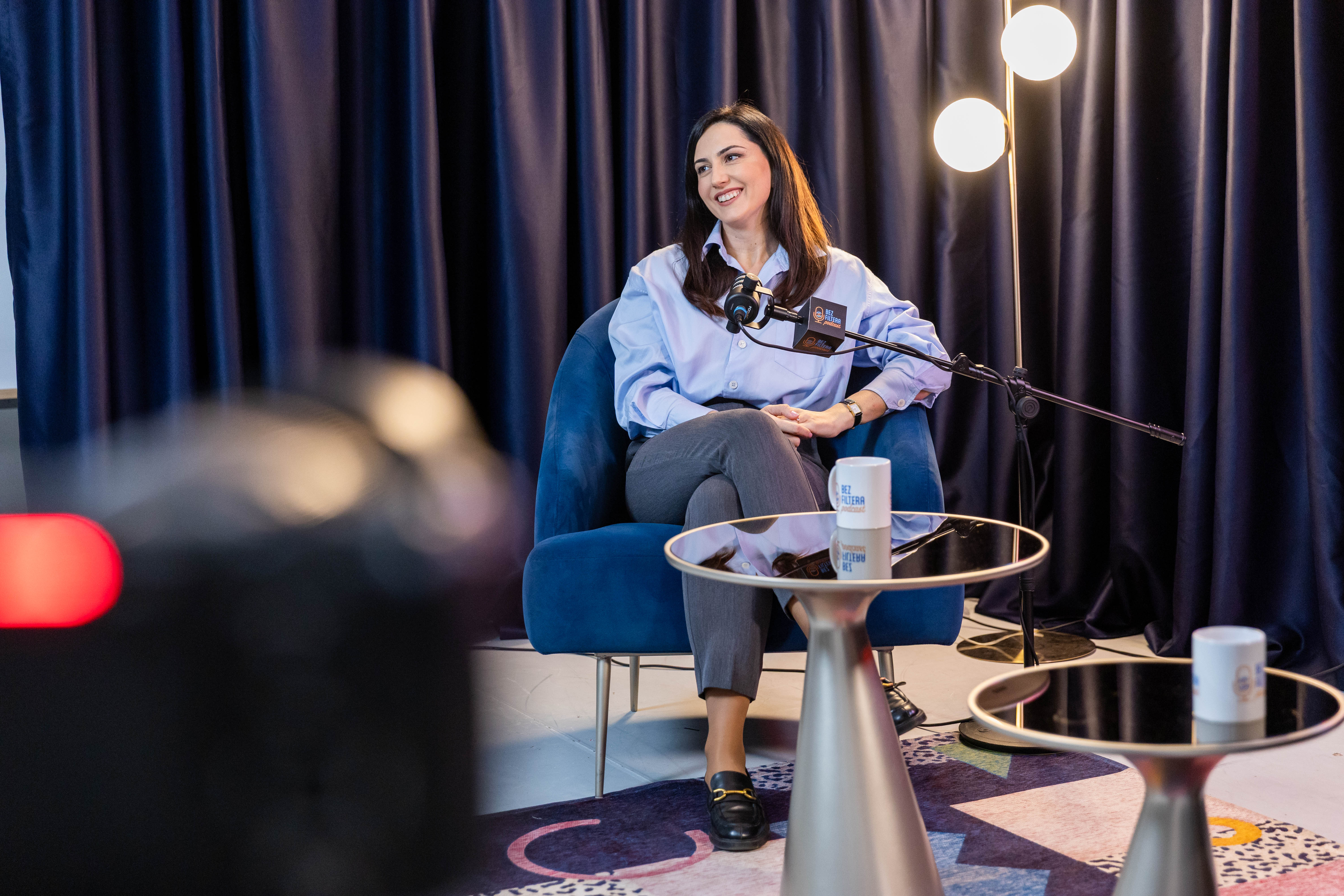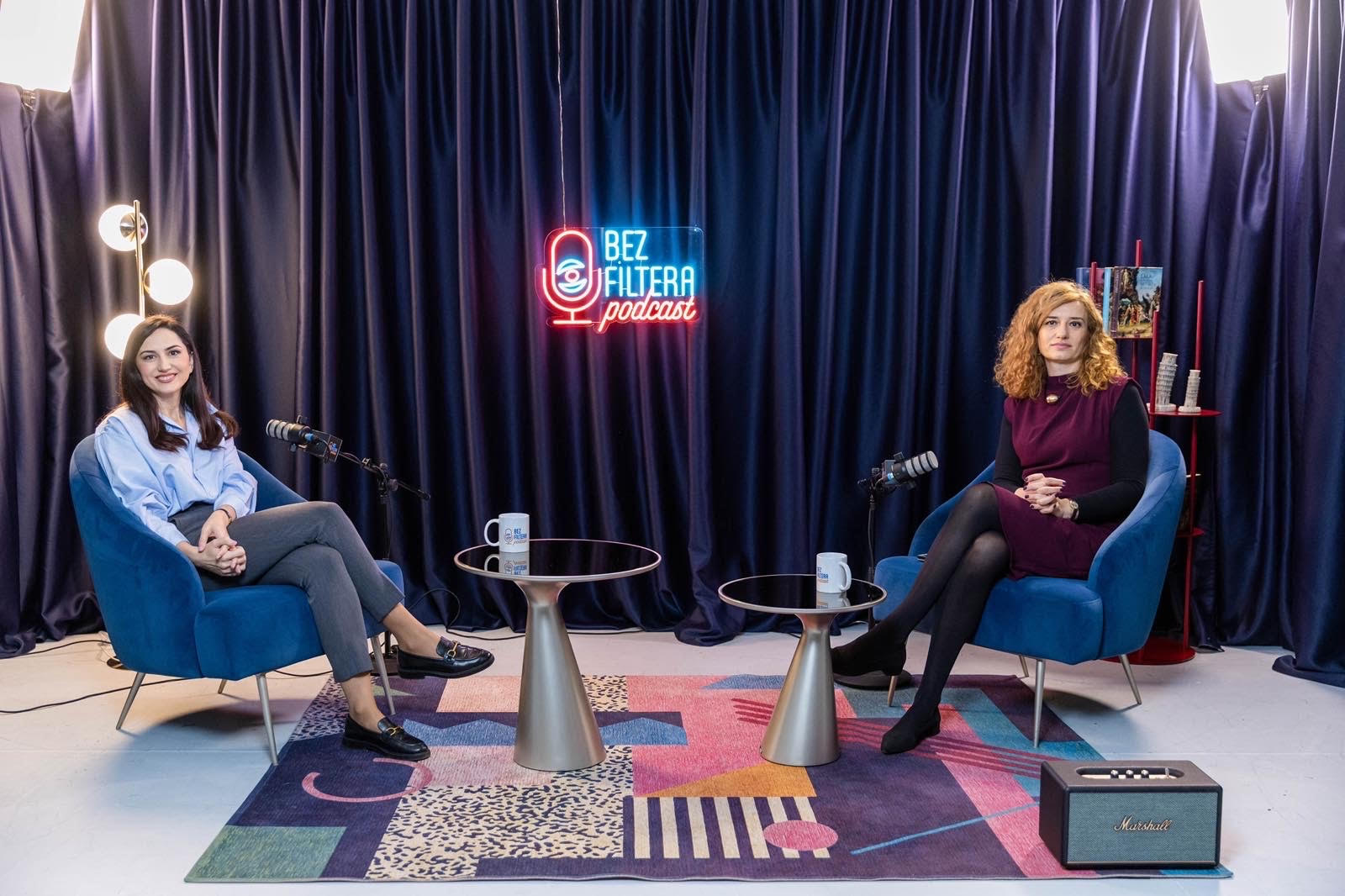
Women in politics are exposed to insults, organized attacks, and belittlement despite their proven competence, while misogyny remains normalized in both the public and online spaces, assessed Jevrosima Pejović, Member of the Parliament of Montenegro.
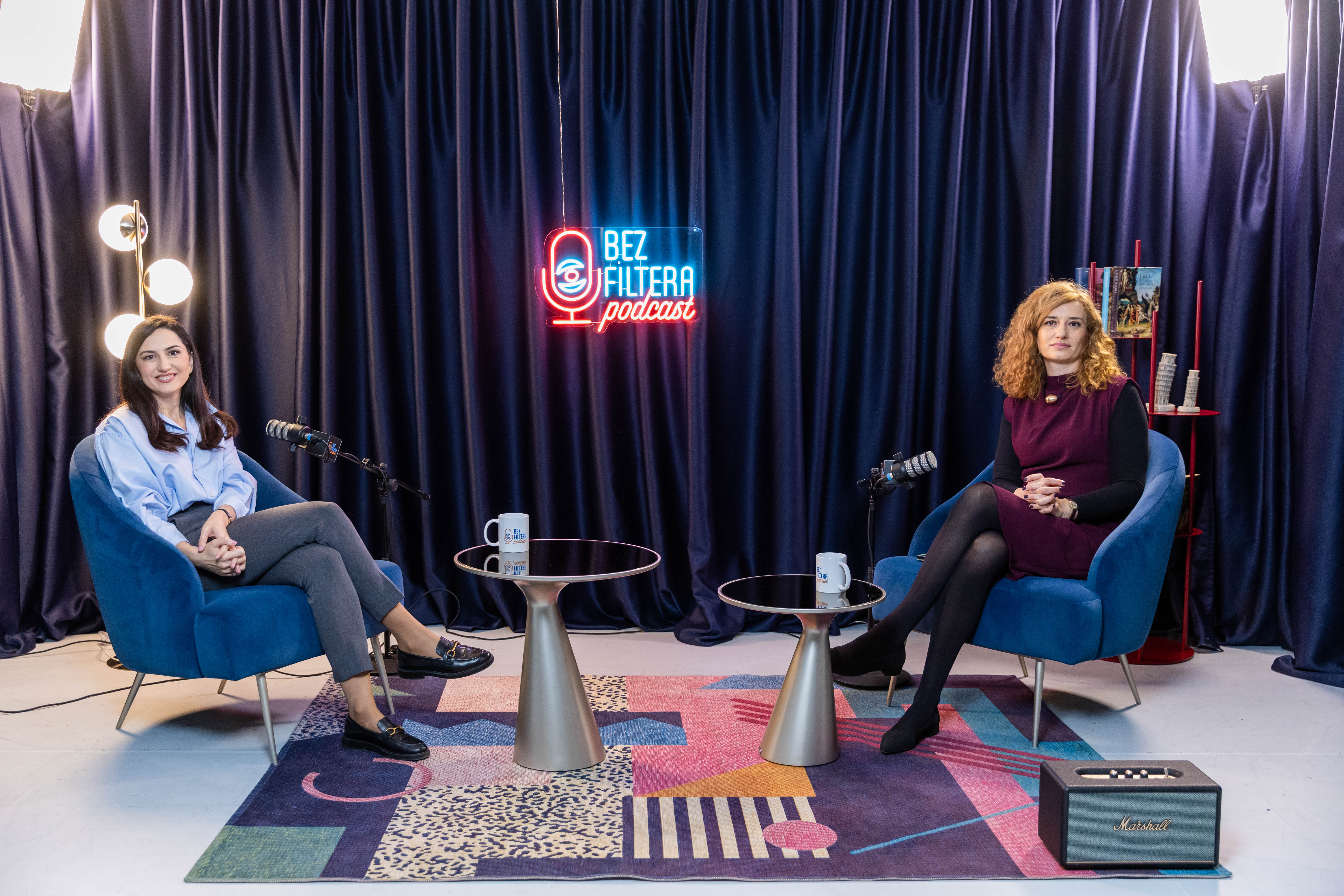
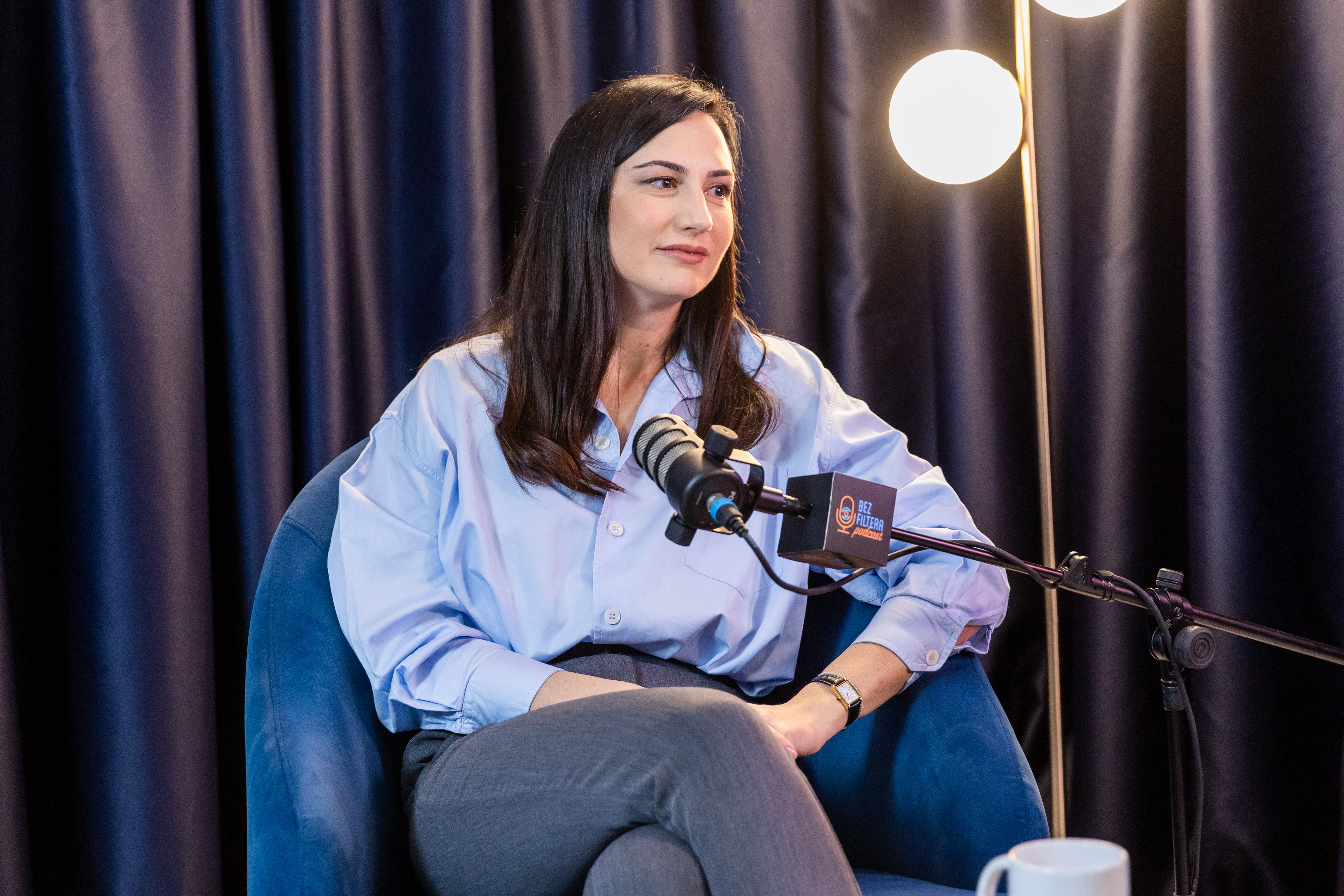
Speaking in the second episode of the podcast “Without Filters”, titled “Arguments Instead of Lynching and Misogyny”, she stated that the public sphere, despite being more accessible to diverse voices, often continues to normalize misogyny.
“Being a woman in politics, as in any male-dominated profession, is not easy. We may not even be fully aware of all the areas in which the position of women needs to be improved,” Pejović emphasized.
According to her, after the change of government in 2020, part of society gained greater freedom of expression, but at the same time the number of offensive comments directed at women increased.
“Today, everyone has social media and everyone can write a comment. And it seems to me that we are getting used to the idea that it is normal to call a female MP a cow. I don’t even know how to react to such a comment—it makes no sense to justify myself. It is dangerous that by ignoring such things, we have given people permission to do this without any sense of guilt,” Pejović said.
She warned that the online space has become a zone for organized attacks.
“Political parties invest enormous amounts of money in bot networks and the spread of disinformation. Explaining yourself to someone who is paid to smear you is pointless. People make a living from it,” Pejović stated.
She reminded that historically, women have been persecuted for their knowledge, assertiveness, and independence.
“Let us not forget that we are the great-granddaughters of women who were burned at the stake. The more intelligent and assertive ones were removed from society as dangerous, accused of being witches. We are not that far removed from that legacy,” Pejović assessed.
She argued that misogyny is not limited to anonymous comments.
“I love it when men who have done nothing in their lives except politics try to discipline me and show me where my place is. Their favorite criticism is that what I do is ‘not ladylike.’ I assume they told our grandmothers who carried rifles against fascists that wearing a uniform was ‘not ladylike’ as well,” Pejović said.
She pointed out that statistics show women at the top of educational and academic achievement, yet this is not reflected in employment and career advancement.
“What happens when women get employed, but it is decided that a man is more competent to lead a team or an institution? It seems to me that we women also contribute to this when we accept the rules of the game and remain silent about what affects us,” Pejović said.
Pejović believes that the problem also lies in the misunderstanding of women’s solidarity.
“I will not defend a colleague just because she is a woman, but in order to oppose misogyny. I do this for the girls in my family and for all women in society. Undermining women’s rights and struggles is the most dangerous thing on our political scene,” Pejović said.
She assessed that responsibility also lies in the upbringing of new generations.
“Change happens in small encounters, within the family. It is important to teach boys courage and fair play,” Pejović said.
She emphasized that politics should not be something young women fear.
“Politics is one of the most beautiful professions because you serve people and leave change for future generations. I feel humble representing my society and my country,” Pejović concluded.
The second episode of the podcast “Without Filters” was produced within the project “Challenging Gender Bias and Enhancing Women’s Political Participation in Montenegro through Public Awareness, Capacity-Building Trainings, and Gender Representation Advocacy”, implemented by CeMI with financial support from the Canadian Embassy through the Canada Fund for Local Initiatives (CFLI). The views expressed in the podcast do not necessarily reflect the views of the Canadian Embassy.