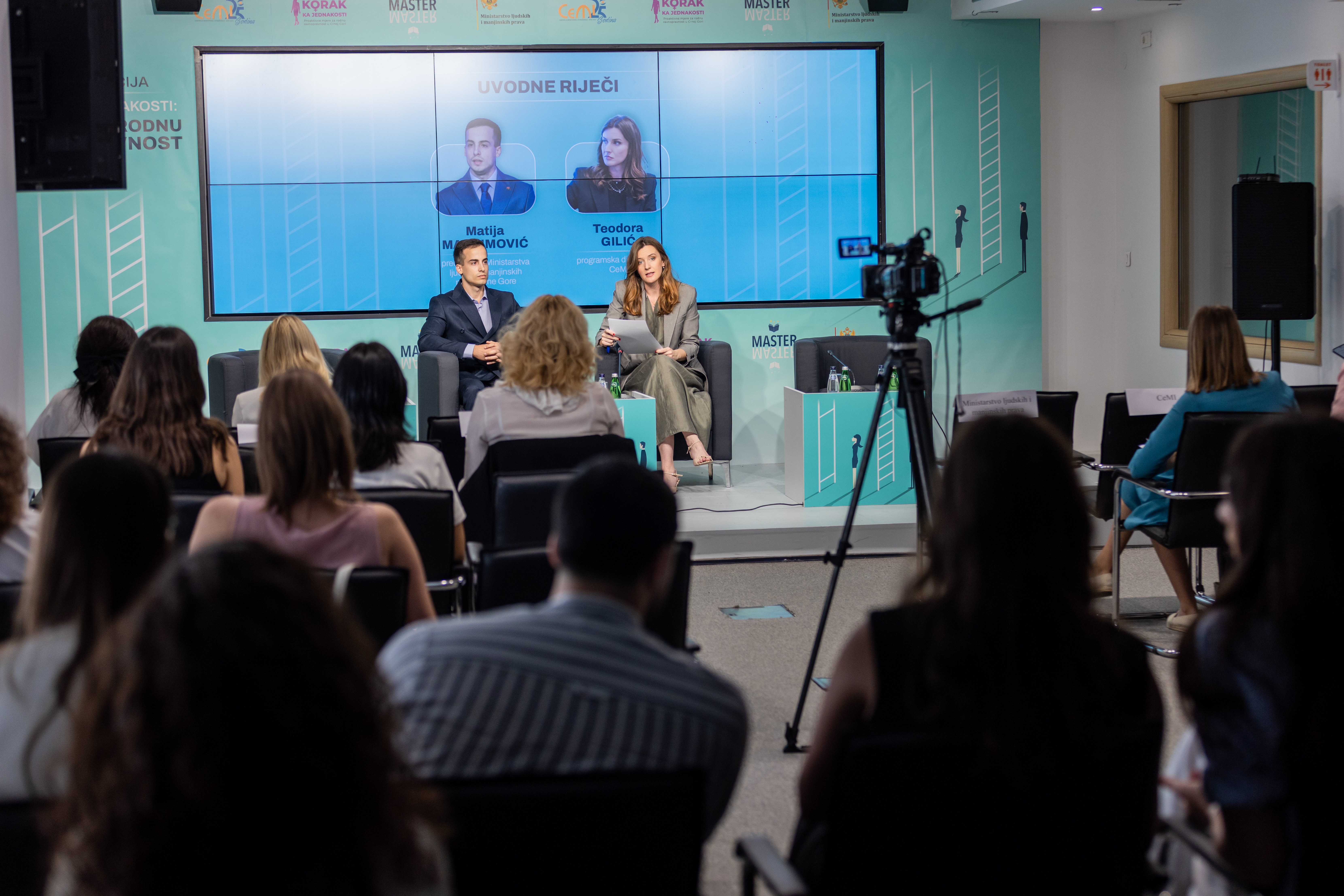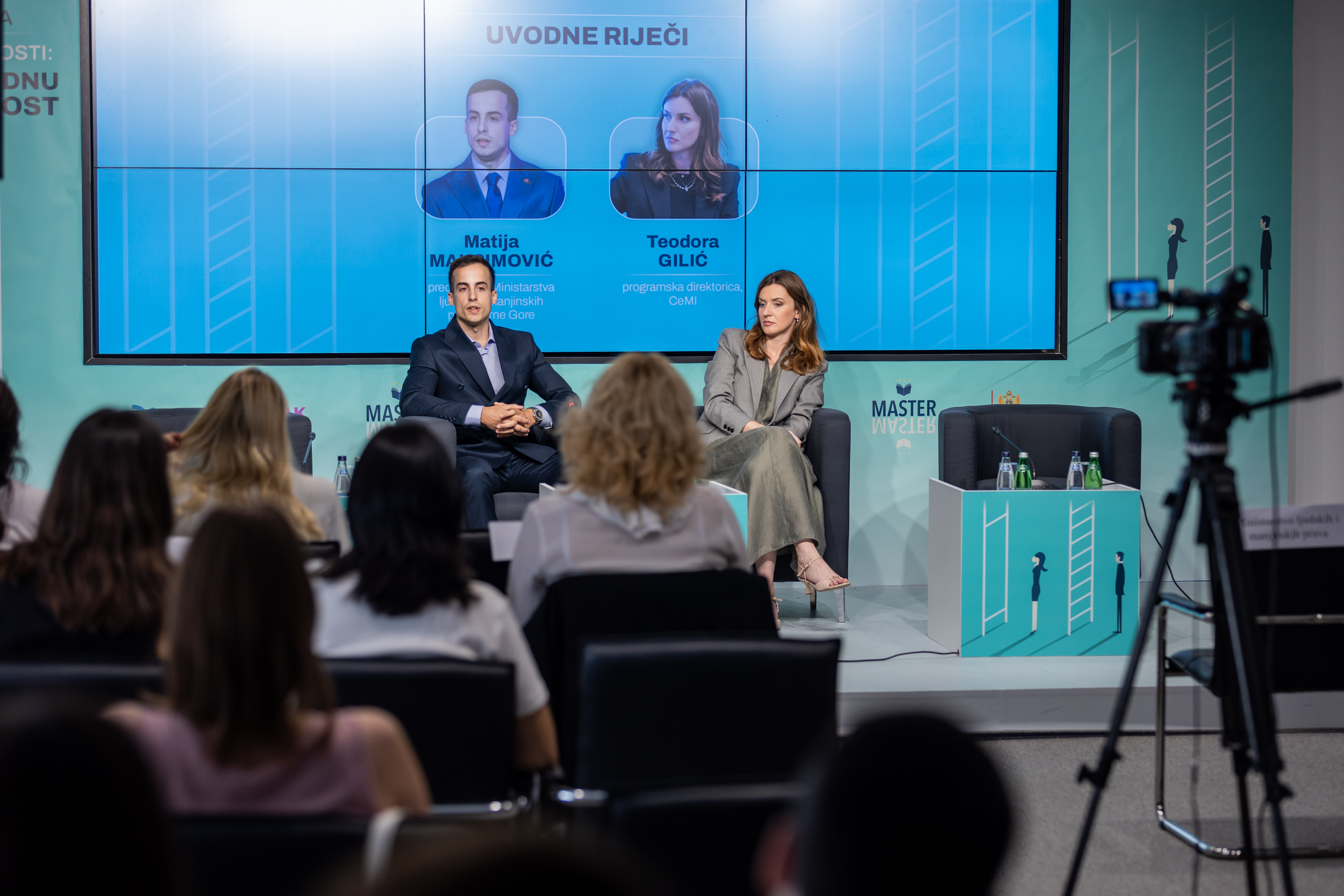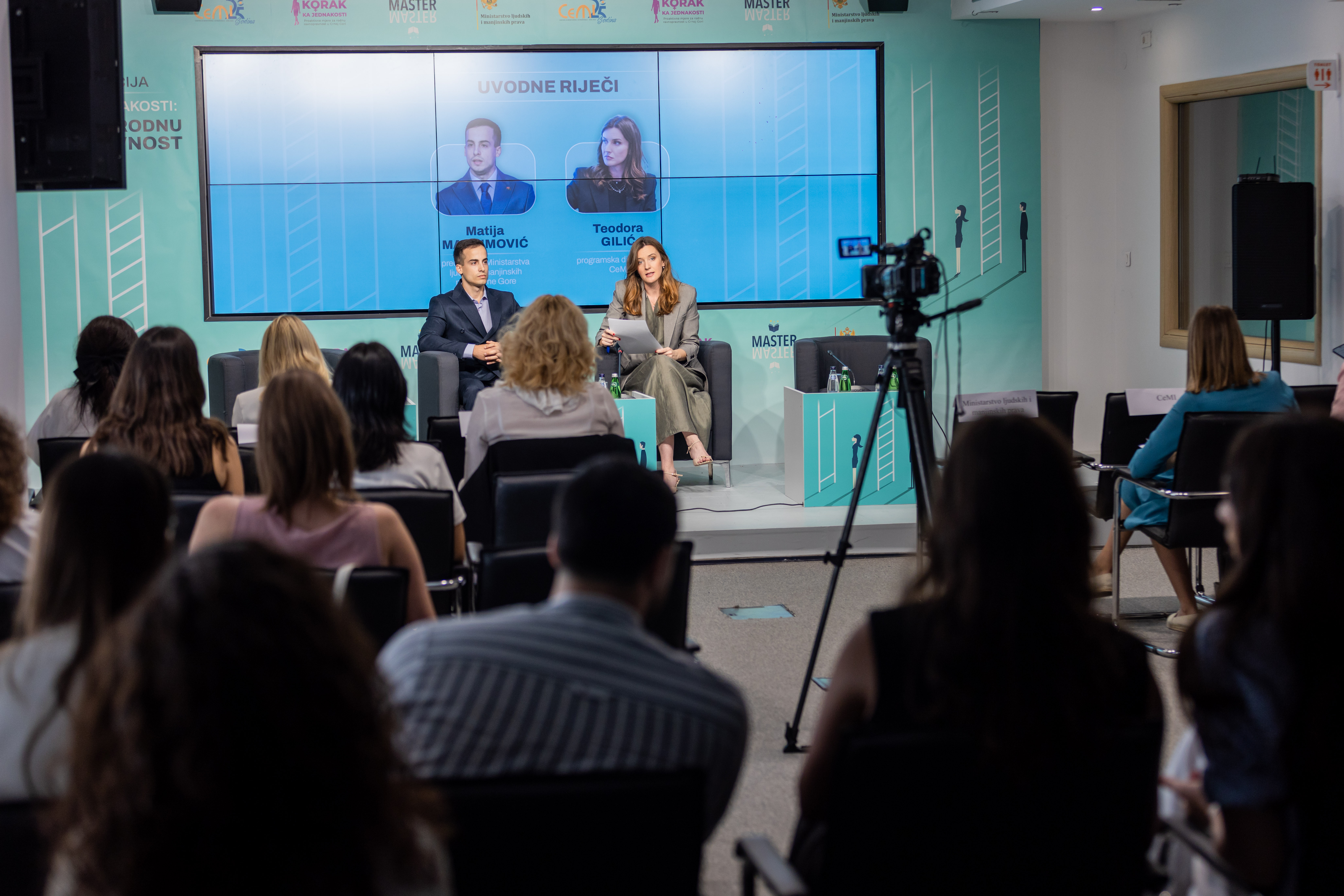
State institutions and officials must fundamentally understand and consistently apply gender equality in order to ensure more effective and fairer policies that meet the needs of all citizens. As long as this issue remains merely declarative, real change will not occur.
This was the main message delivered at our conference “Step Towards Equality: Dialogue for Gender Equality.”
Teodora Gilić, Program Director at CeMI, stated that although gender equality is increasingly mentioned as a value, in practice it remains marginalized or insufficiently understood.
“According to MONSTAT data, the Gender Equality Index in Montenegro for 2023 stands at 59.3, placing us significantly below the EU average of 68.6. This index is more than a statistic—it points to essential differences in the participation of women and men in social, political and economic life,” Gilić emphasized.
She noted that the greatest imbalance exists in the domain of power—that is, the participation of women in decision-making processes.
“This does not refer only to numbers in boards or governing bodies, but to the extent to which women are genuinely involved in shaping policies and making decisions that affect the everyday lives of citizens. Additionally, discrepancies exist in access to economic resources, knowledge and time. In the field of health, the gap is the smallest, but still present,” Gilić explained.
According to her, although Montenegro has adopted the Law on Gender Equality, strategic documents and action plans, the formal framework alone is not sufficient.
“Real change begins only when the institutions responsible for implementing these policies develop internal capacities to understand them, apply them and strengthen them. Without this, we remain in the realm of declarations,” Gilić stated.
She emphasized that the project “Step Towards Equality: Proactive Measures for Gender Equality in Montenegro” focuses precisely on building institutional capacities—not through general recommendations, but through concrete and practical activities.
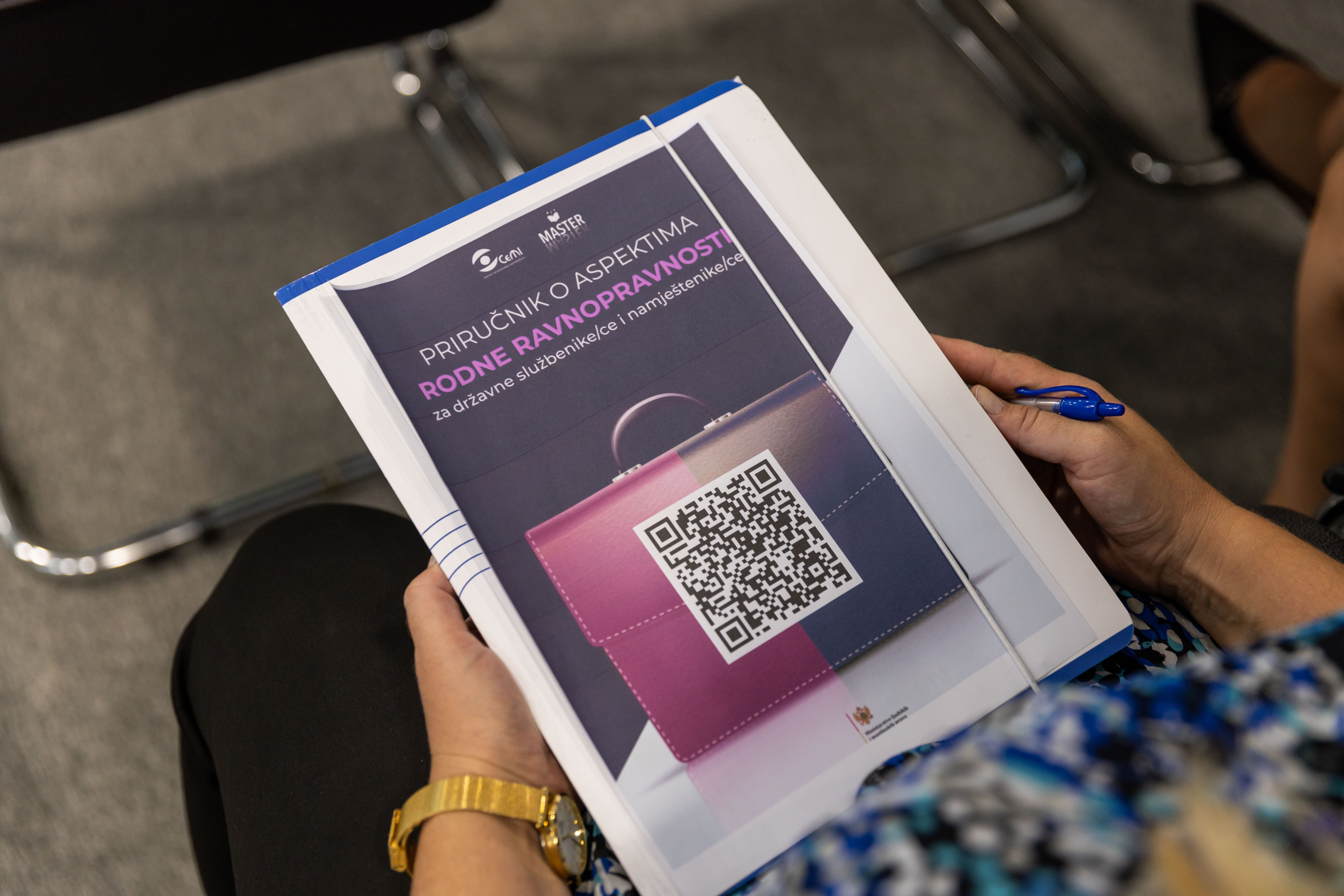
“We developed a handbook on aspects of gender equality for civil servants, and organized three trainings in the central, northern and southern regions of Montenegro. In these sessions, we paid particular attention to clarifying the basic concepts of gender equality, including gender roles and stereotypes, the importance of gender-disaggregated statistics, and the gender mainstreaming of public policies through practical examples,” Gilić said.
She added that, together with the MASTER organization, a social media campaign was implemented to enhance understanding and promote the importance of gender equality in the public sector.
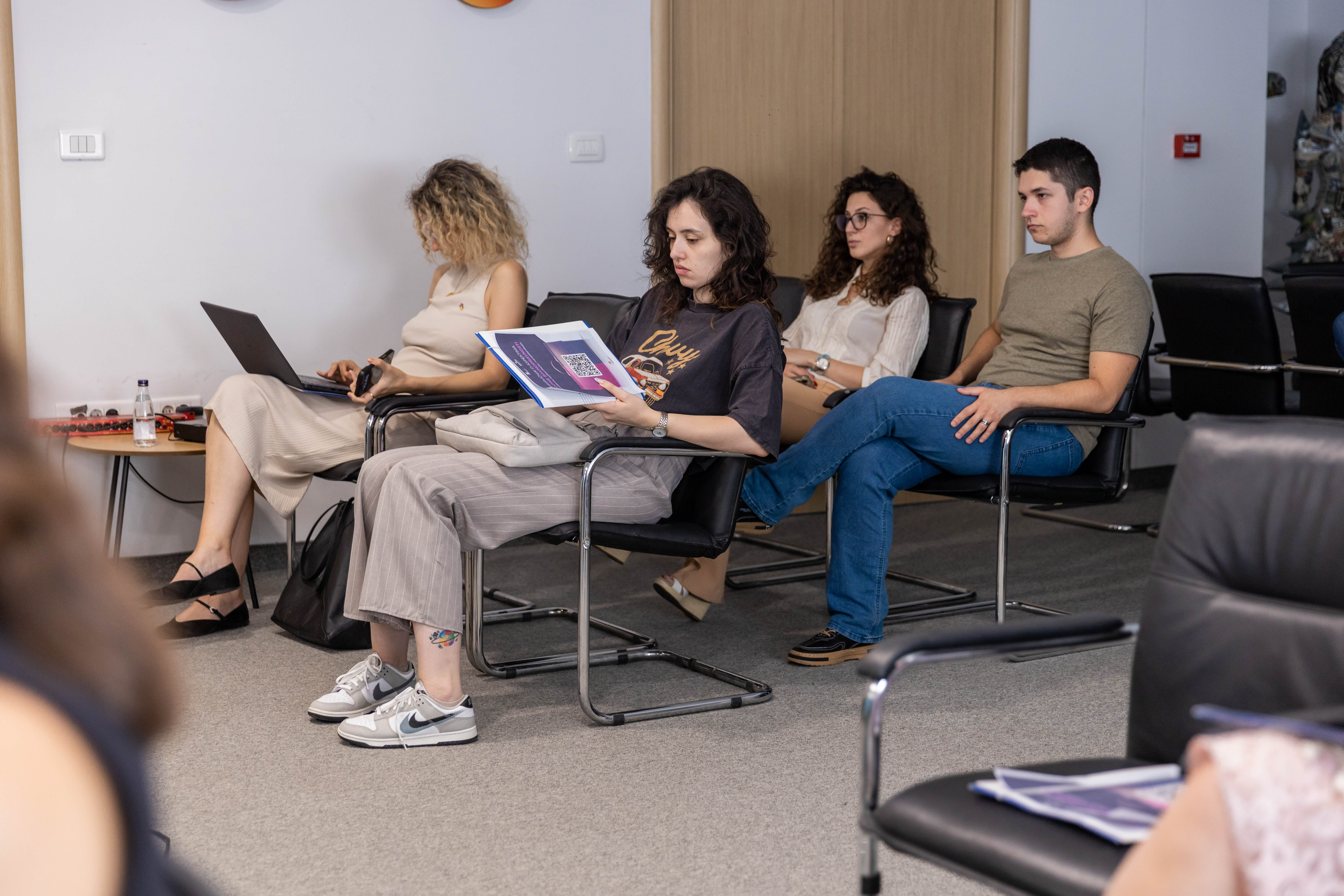
“The trainings gathered several dozen representatives of state institutions. Through collaboration with the trainer and through practical examples, participants had the opportunity to reflect on their own perceptions of gender roles, analyze current policies, and identify challenges within their own institutions. These direct interactions confirmed what we already know—that the training system in this field lacks a long-term structure. Knowledge often depends on individual interest rather than institutional obligation,” Gilić highlighted.
She believes that frequent staff turnover further complicates knowledge retention, as there is no consistent record of who has undergone training nor a mechanism for transferring experience.
“The public campaign we conducted in parallel opened this topic to a wider audience, emphasizing that gender equality is not a ‘women’s issue,’ but an integral part of a professional and responsible public administration. This approach was essential for shifting the narrative and reducing resistance that often arises from existing prejudices and stereotypes,” Gilić added.
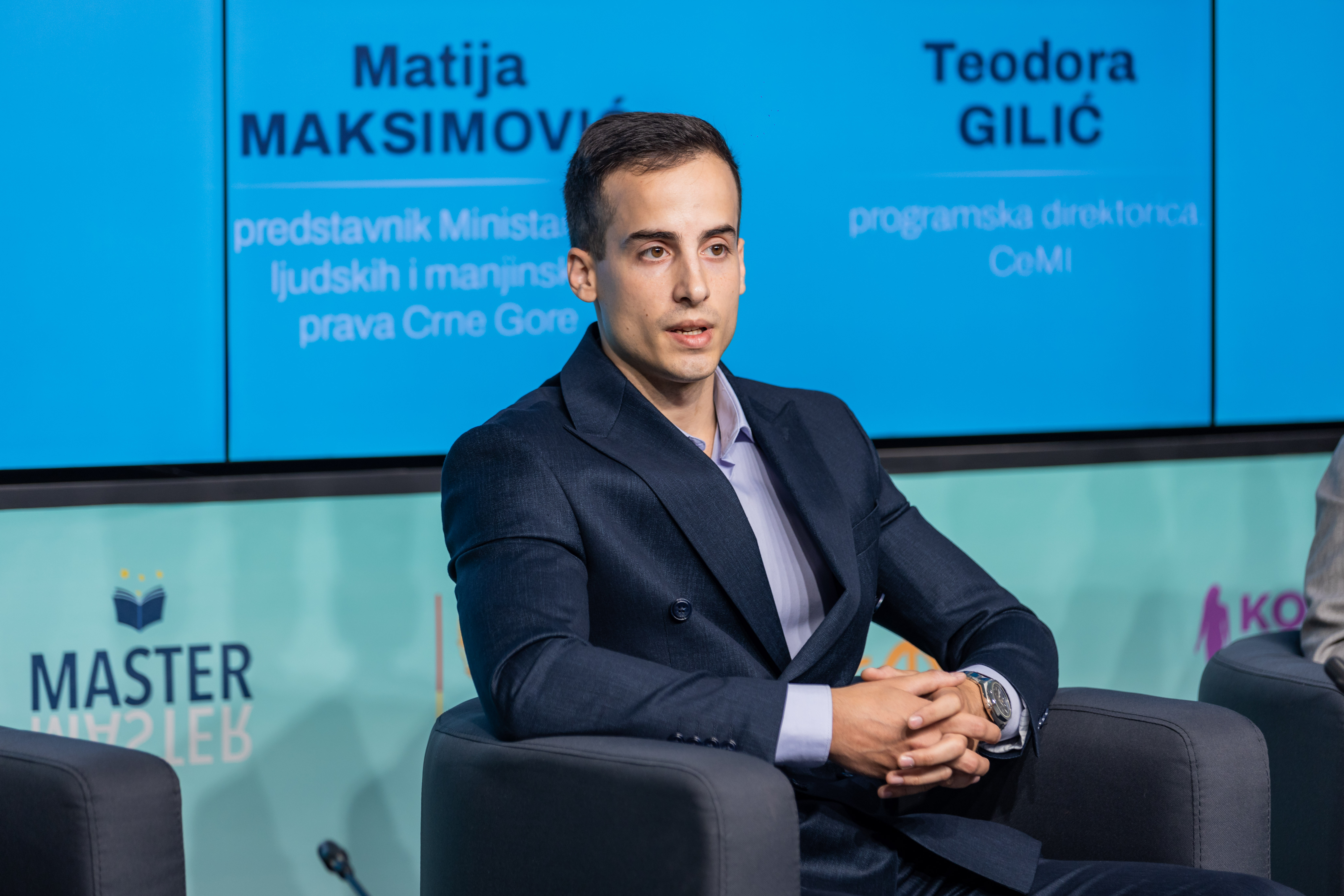
A representative of the Ministry of Human and Minority Rights, Matija Maksimović, stated that gender equality is not merely a legal obligation or a formal requirement of international conventions ratified by the state, but a fundamental principle of justice, equality and social cohesion.
He emphasized that Montenegro and its institutions have a responsibility not only to respect human rights but also to actively work on their full realization.
“I am deeply convinced that systemic change is possible only with strong commitment as well as internal transformation within institutions themselves. Without change, there is no progress,” Maksimović said.
He stressed the importance of ensuring that all employees in state administration understand the significance of gender equality and apply it as an integral part of professional practice and personal values.
“This is why education and strengthening the capacities of employees in state institutions are of great importance,” he noted.
He warned that this issue must not be approached merely as a technical task.
“Introducing a gender perspective must become a standard, permanent practice and an integral part of decision-making processes and policy implementation. This should not be an additional bureaucratic burden, but a way for institutions to respond more effectively and sensitively to the needs of all citizens,” Maksimović stated.
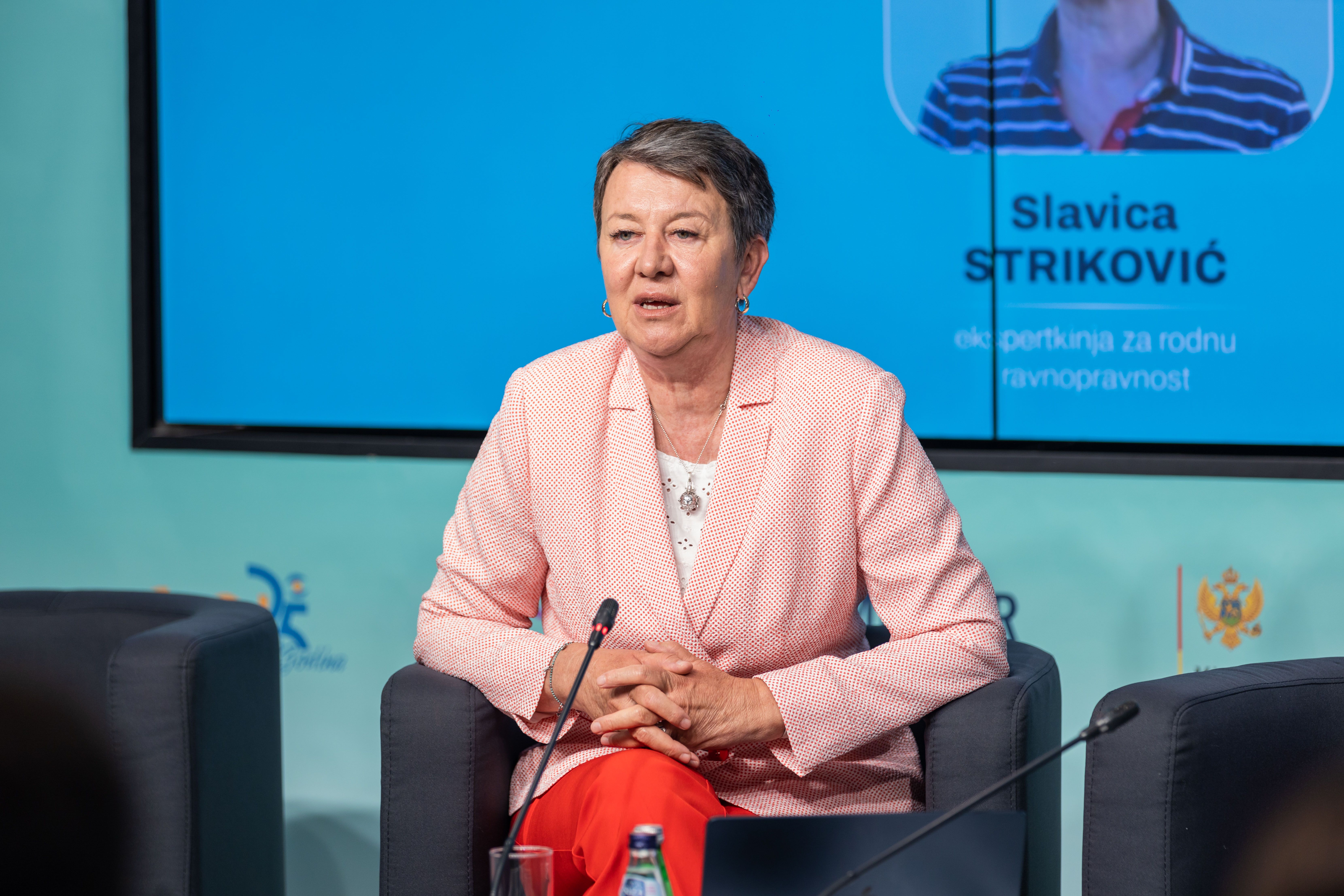
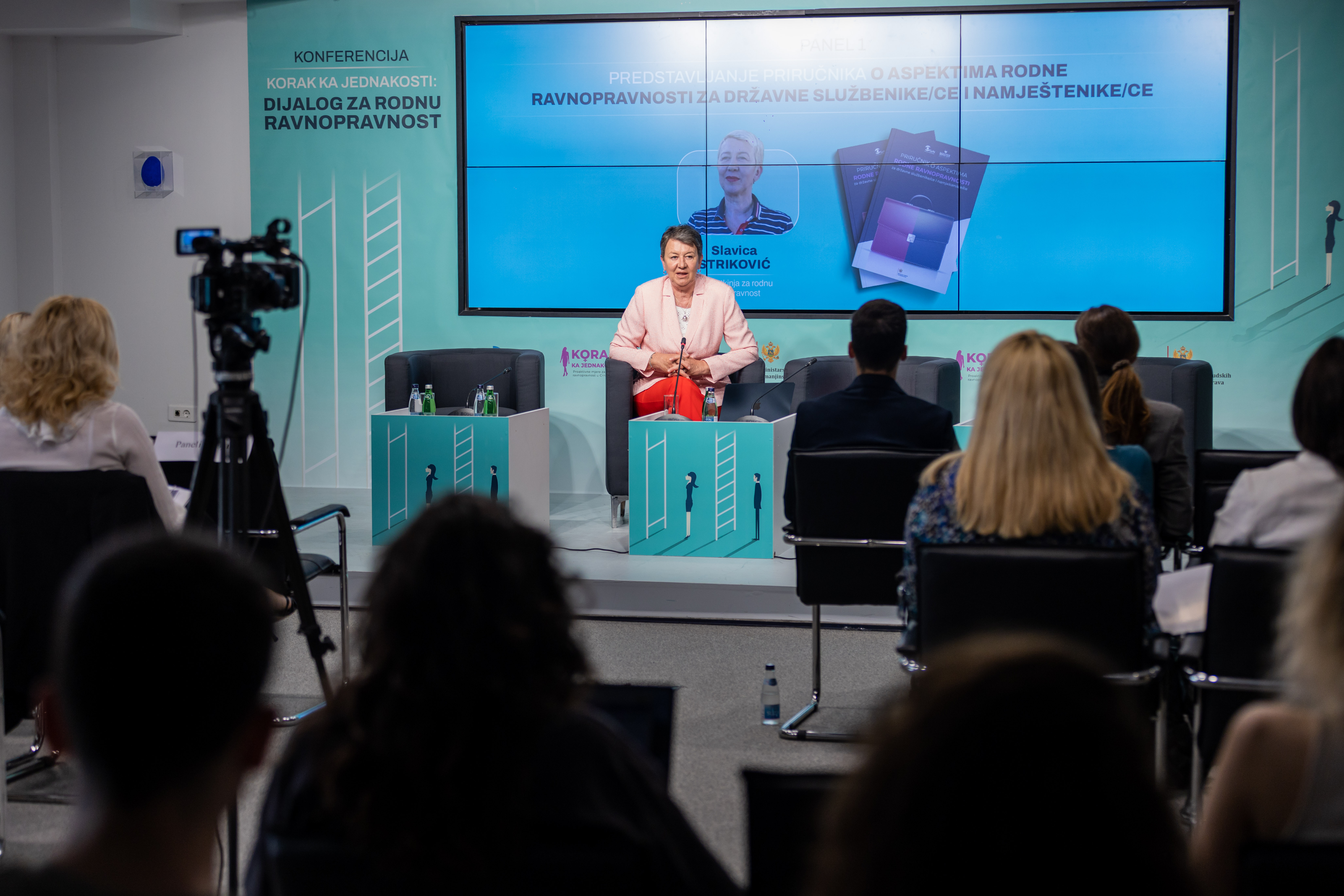
Presenting the Handbook on Gender Equality Aspects for Civil Servants and State Employees, gender equality expert Slavica Striković explained that, when analyzing the situation in Montenegro, she tried to include topics that are genuinely needed by those working in this field both at national and local levels.
“However, what concerns me is my personal impression—which is also my experience: gender equality is not taken seriously in Montenegro, neither at the local nor national level. Although many people work in this field, it is often perceived as ‘just another task,’ without real responsibility or understanding. This is why the situation of women remains as it is,” Striković pointed out.
According to her, neither past nor current governments have positioned this issue as a political priority.
“This is evident from the fact that funding for this area decreases year after year. At the same time, we see strong right-wing narratives in society, and some even try to relativize issues such as sex-selective abortion. The census clearly shows the numbers—who wants to see them, will see them,” she noted.
She stressed that the handbook is important because it offers concrete tools and explanations: what sex means, what gender means, what gender identity is, what stereotypes are, what gender-based violence is, what gender-sensitive language is, what mechanisms exist for implementing gender equality, and what national and international frameworks apply.
“All of this is included in the handbook. Although it is primarily written for the state administration, everything in it can be applied at the local level as well. During the trainings, participants told us that the content is useful and much needed,” Striković said.
She believes that Montenegro has young men and women who think in the right way but lack a system that allows them to express their potential.
“That is why we at least leave them with this tool. Indicators are clear—funding is declining, policy evaluations are missing, gender statistics are not accessible. The law prescribes obligations, but they are not respected. This is why the handbook is important. Whether it will be used is a matter of the system’s seriousness,” Striković concluded.
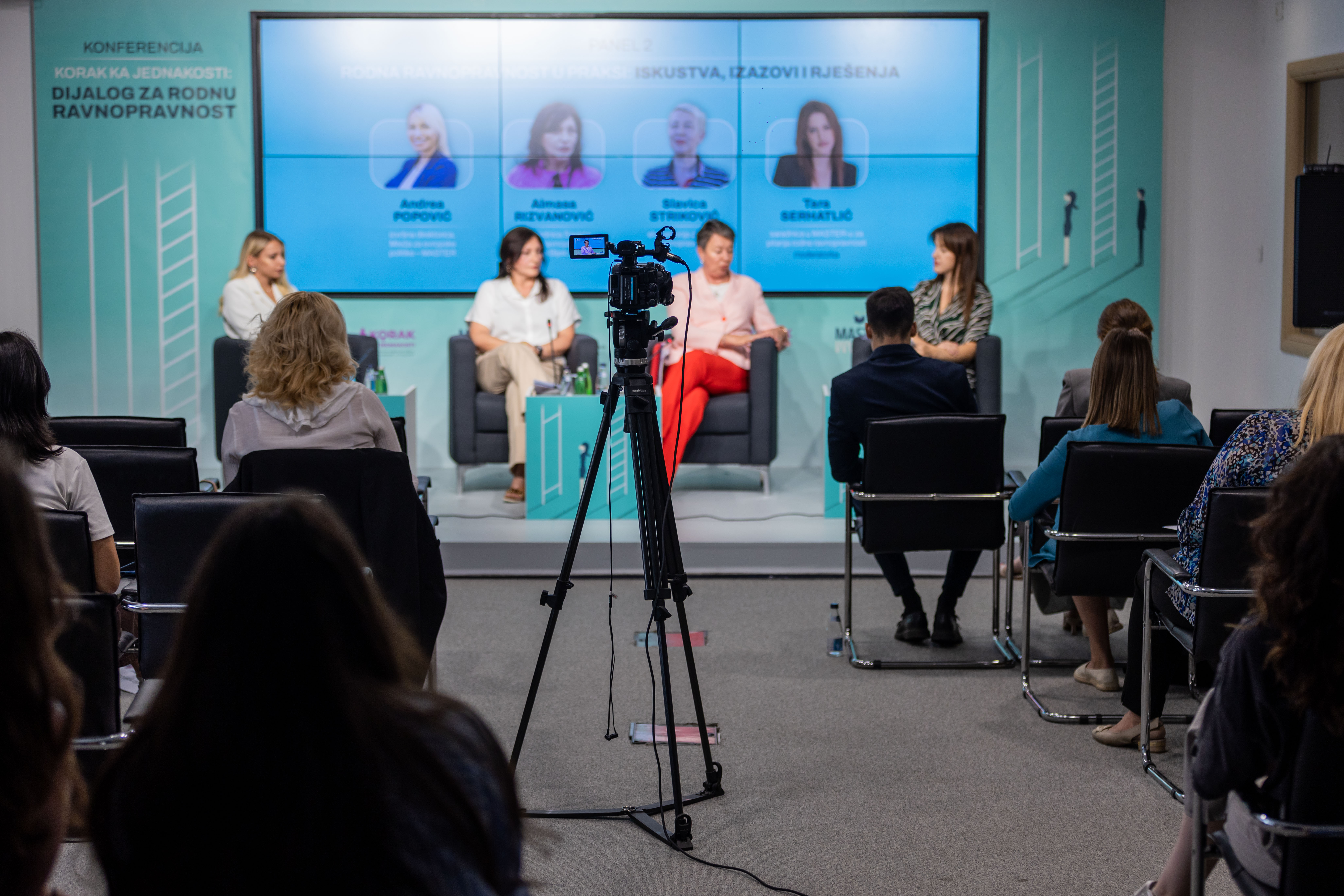
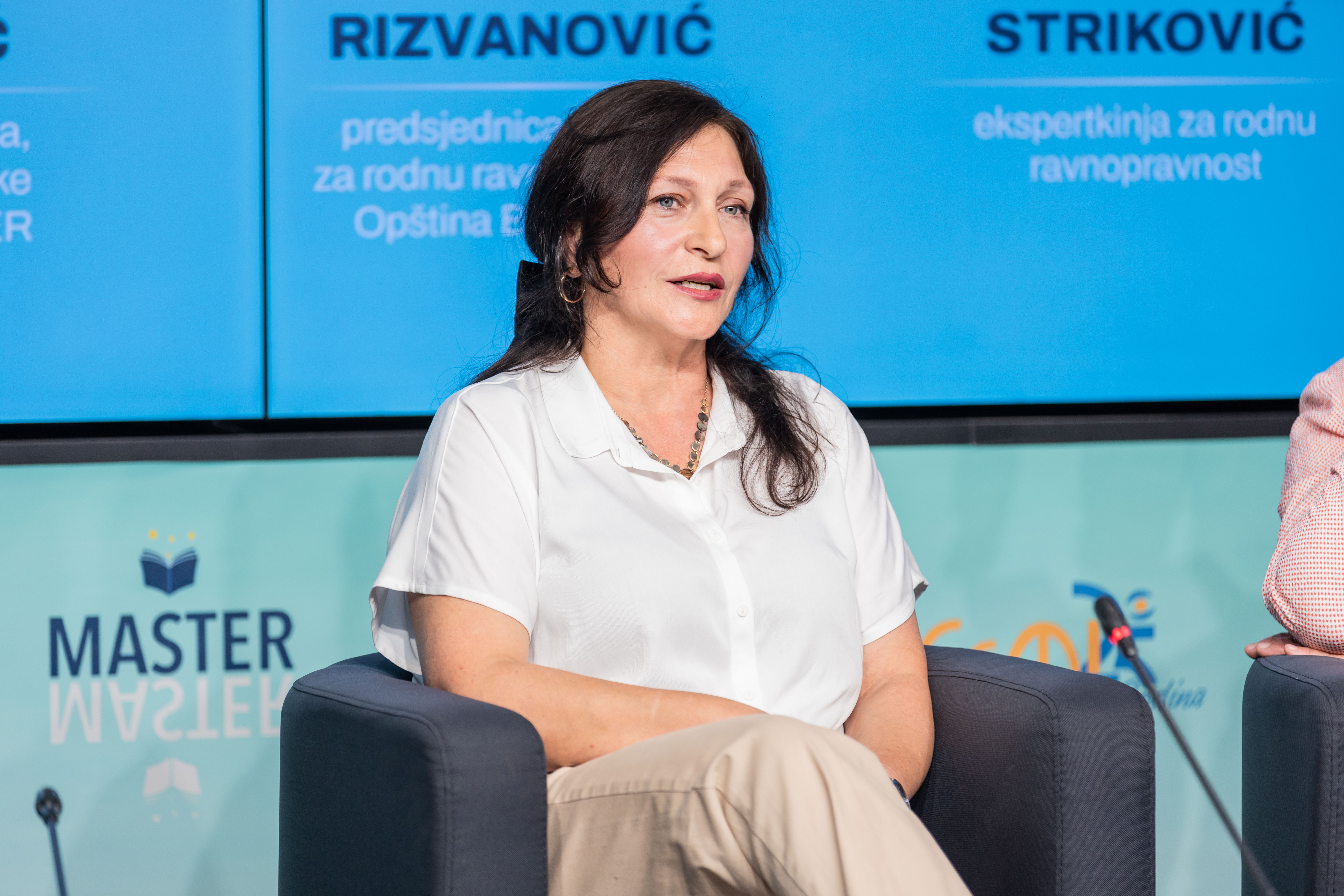
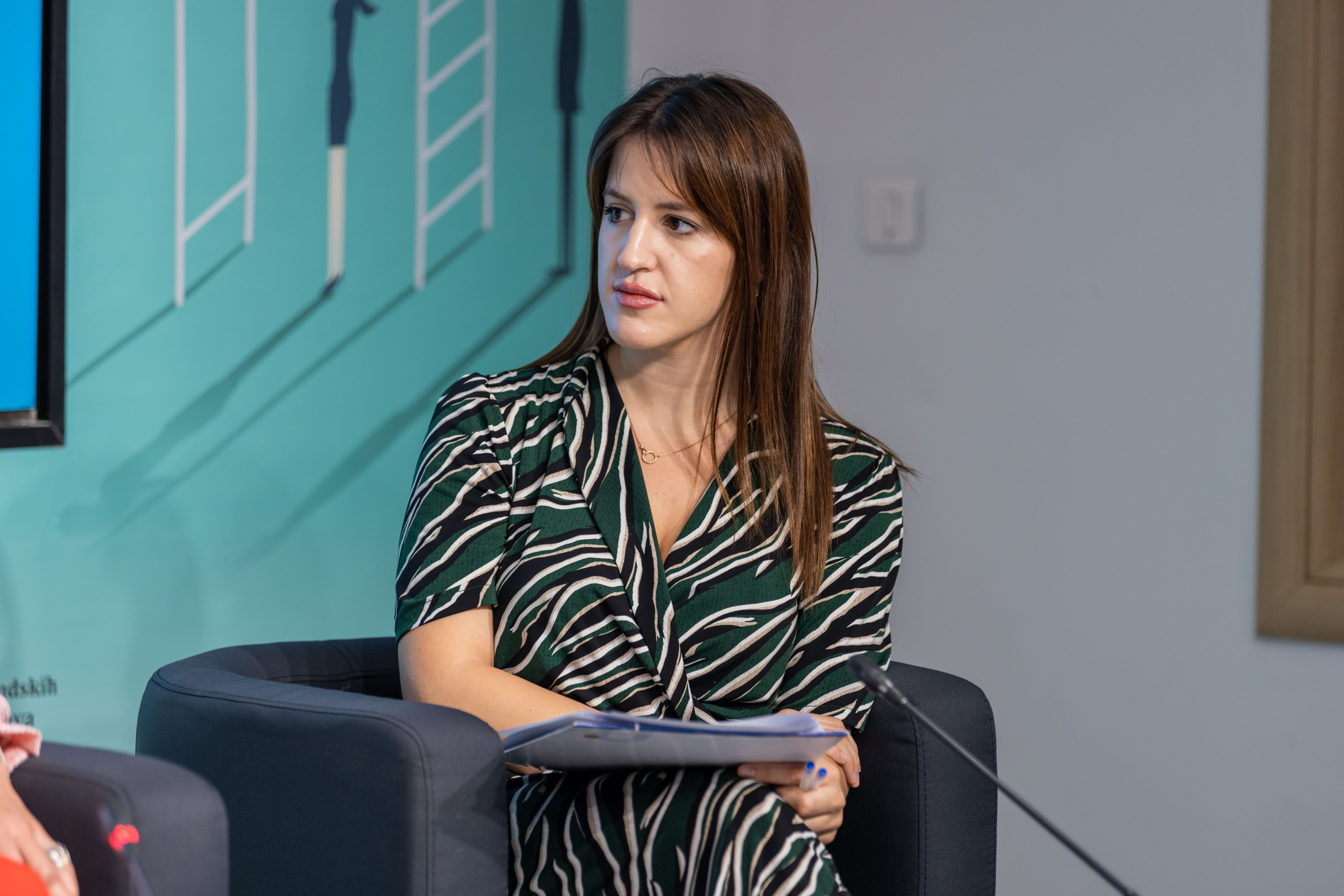
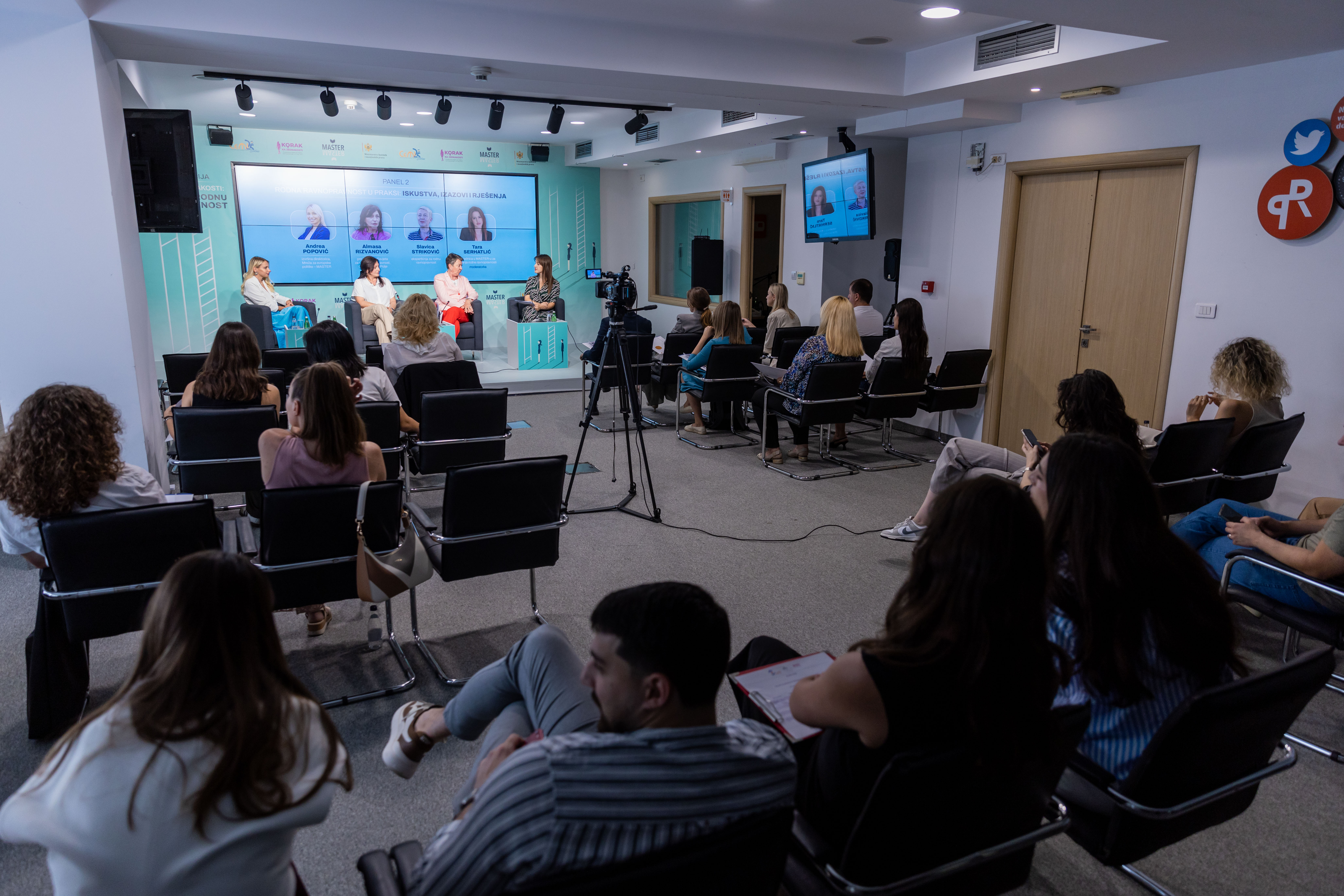
During the panel “Gender Equality in Practice: Experiences, Challenges and Solutions”, the President of the Gender Equality Council of the Municipality of Bijelo Polje, Almasa Rizvanović, emphasized that this municipality is among the first in Montenegro to establish all key mechanisms for advancing gender equality.
“As early as 2011, we had a local action plan for gender equality, and in 2012 we founded the Office for Gender Equality. We were among the first to sign a Memorandum with the OSCE on improving gender equality at the local level, and in 2014 we adopted the Decision on Gender Equality. The Gender Equality Council was then established. Today we have all the mechanisms necessary to improve the position of both women and men in our community,” Rizvanović said.
She stressed that gender equality is a fundamental human right and implies the full inclusion of all citizens in social life.
“My role in the Office is directly related to the implementation of local action plans. The third local action plan (2024) has been completed, and preparations for the next one are underway. We monitor the implementation of the National Strategy for Gender Equality and align our local activities with it. It is important for us to connect women involved in various support programs through cooperation with all municipal structures,” she explained.
She pointed out the importance of working with rural women, informing them and involving them in local decision-making processes.
“We have excellent cooperation with the Local Community Service. Since nearly 40 local communities have now been established in Bijelo Polje, we plan to encourage greater involvement of women in their councils. These are the first organized groups on the ground, and if we do not contribute there, we cannot expect broader change. We will invite all women to participate, and I appeal—do not wait to be nominated: nominate yourselves or nominate a friend, neighbor or colleague,” Rizvanović said.
She clarified that women of all backgrounds can participate in local community councils—housewives, farmers, highly educated women—emphasizing that the experience of each one is valuable.
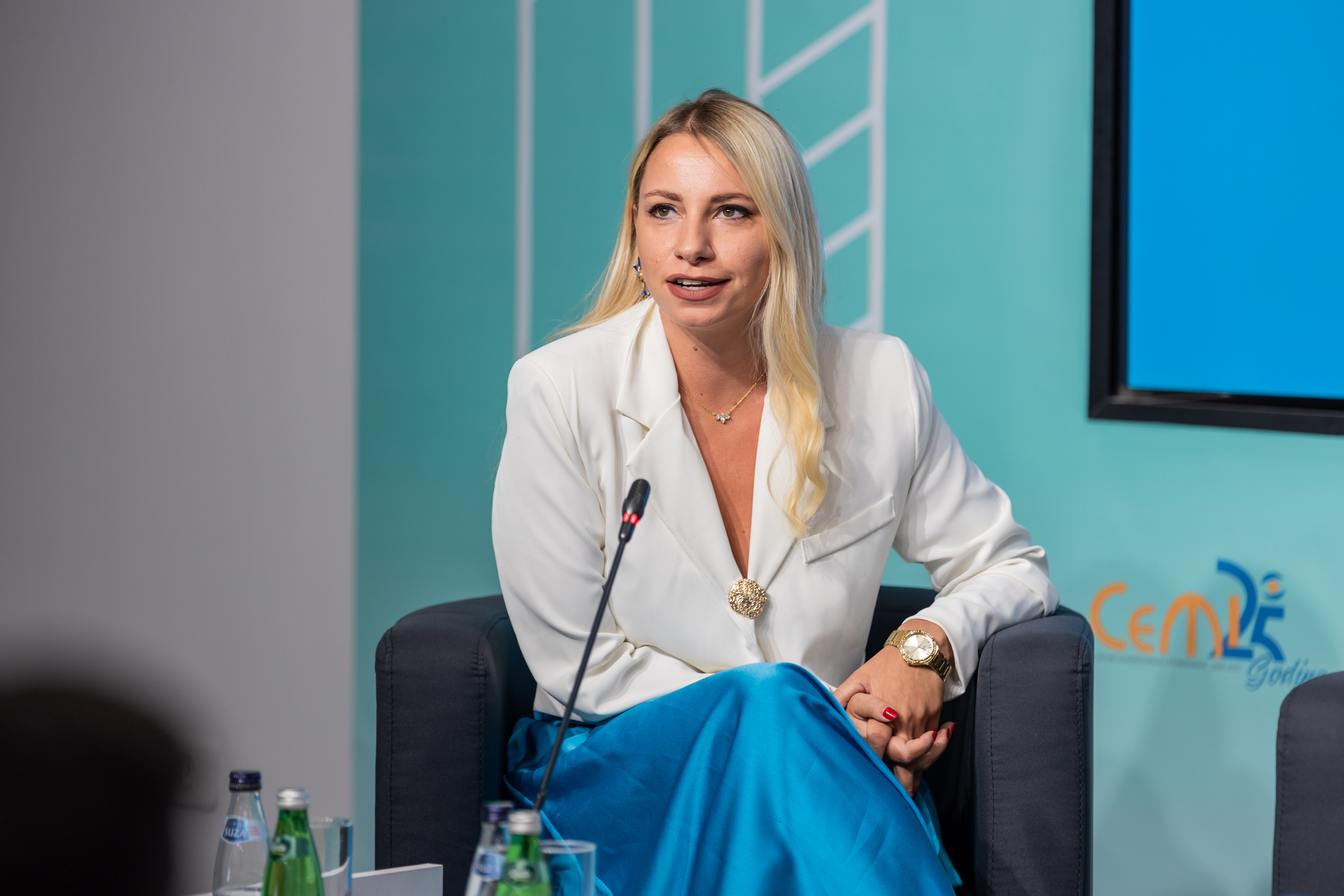
Andrea Popović, Executive Director of the Network for European Policies – MASTER, noted that she spent seven years working in the state administration but was never offered training in the field of gender equality.
“I believe the situation has improved somewhat today, but I saw a statistic—75 out of 100 civil servants have never attended such training. Only three out of 100 attend any training during the year. You can imagine how gender equality becomes a marginal issue under such conditions,” Popović warned.
She also highlighted the influence of traditional norms that still strongly shape Montenegrin society.
“Today, while preparing for this panel, doing my makeup and choosing what to wear, I thought: what would they say to a man who came looking disheveled? Probably nothing. But for a woman, the comment would be: ‘Look how she left the house.’ These standards are very difficult to change unless gender equality becomes a topic introduced early on—in primary school—through civic education,” she said.
Popović emphasized that women make up the majority of the population but remain marginalized in politics and decision-making.
“We have no female mayors, no female leaders of political parties. Women make up about 20% of Parliament, and in the Government four ministers compared to around twenty men. Women are not needed in politics to ‘fill quotas.’ No—they should be leaders. They should run key institutions. I am certain that the EU integration process would progress much faster if more women were involved,” Popović stated.
She added that 80% of the MASTER team consists of women.
“The biggest difference is that in civil society we genuinely do the work we love. No one assigned me to work on gender equality—I chose it. I would do this job for the rest of my life even without a single euro. But that is not the case in the state administration,” she said.
Striković also noted during the panel that institutional approaches still lack genuine commitment.
“The first thought that comes to mind is that I do not see many examples where institutions truly strive to work seriously on achieving gender equality. I believe this is the key problem when we talk about this topic,” she said.
She pointed out recurring mistakes at both local and state levels, often resulting from a superficial approach.
As an example, Striković cited a recent case:
“A call for conducting a gender analysis was recently published completely non-transparently by one municipality. This is the best indication that the approach is neither serious nor inclusive of the wider expert and civil community,” she said.
She believes that genuine progress requires sincere intentions, strategic approaches and transparent work by all levels of government.
The conference was organized as part of the project “Step Towards Equality: Proactive Measures for Gender Equality in Montenegro,” implemented by CeMI in partnership with the Network for European Policies (MASTER) and supported by the Ministry of Human and Minority Rights of Montenegro.