Women in politics remain exposed to pressure, insults, and unequal treatment, while criticism often crosses the line into personal attacks. Therefore, alongside personal struggle and freedom of expression, stronger legal mechanisms, greater solidarity, and a more responsible public discourse are essential to ensure a safer and more equal space.
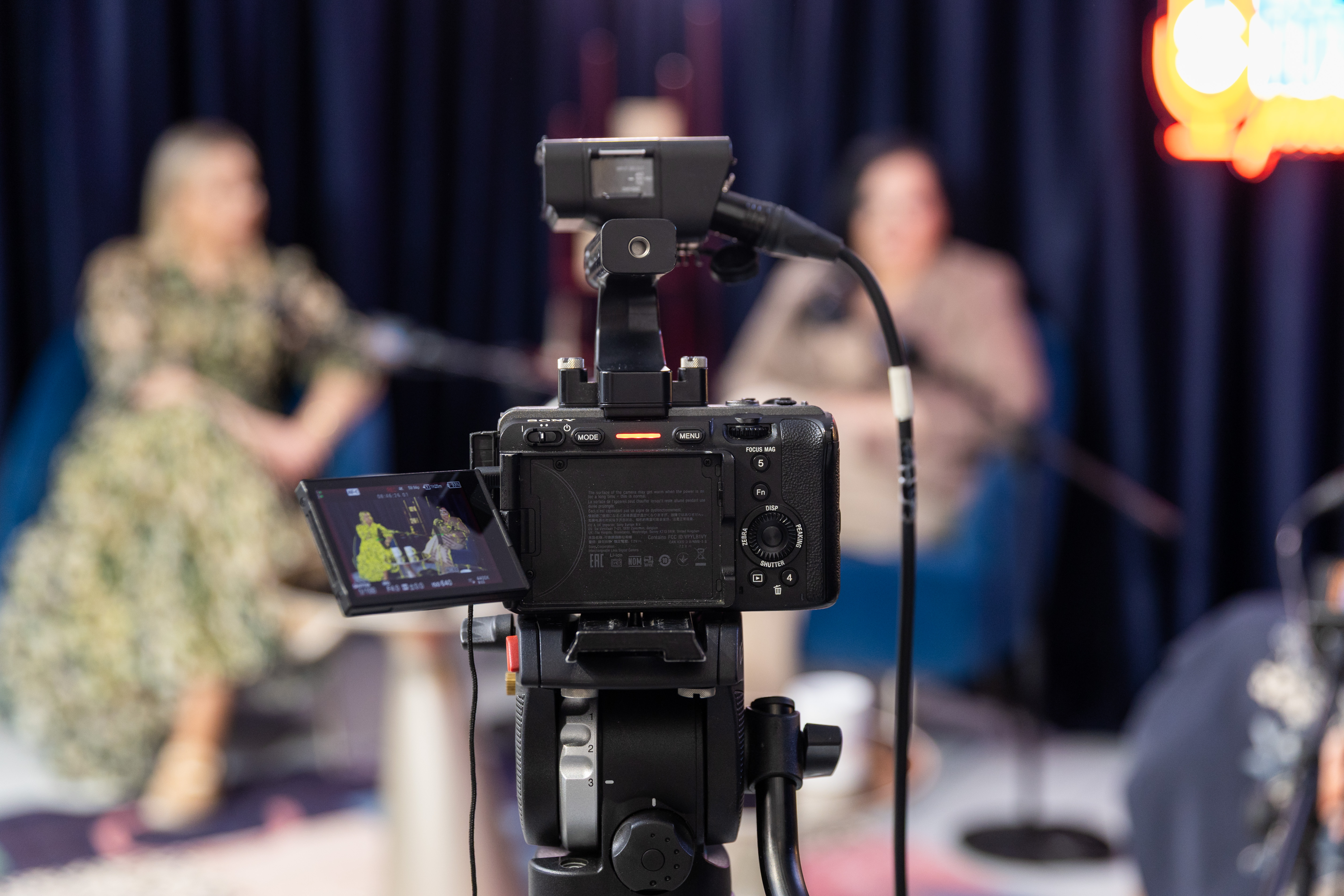
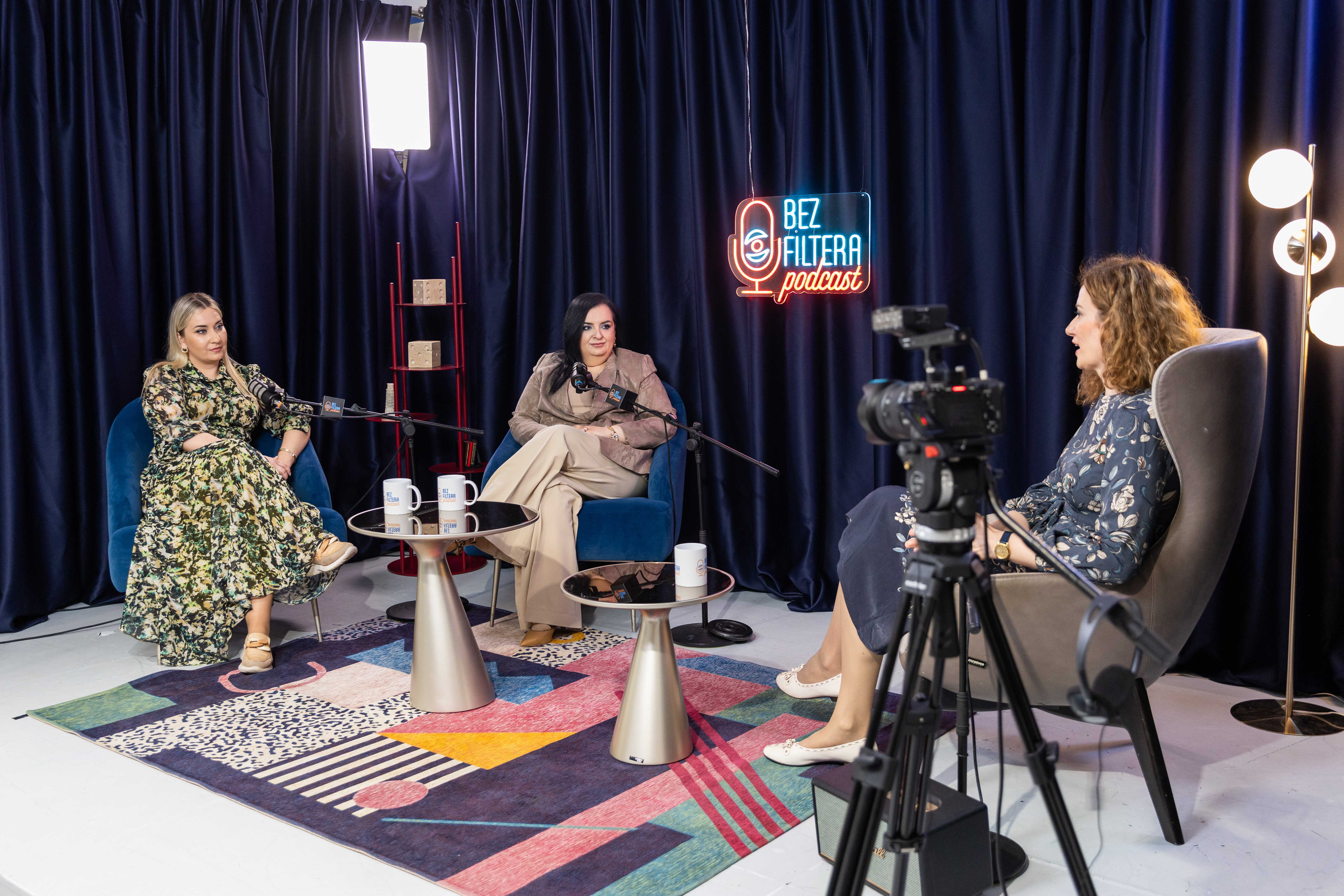
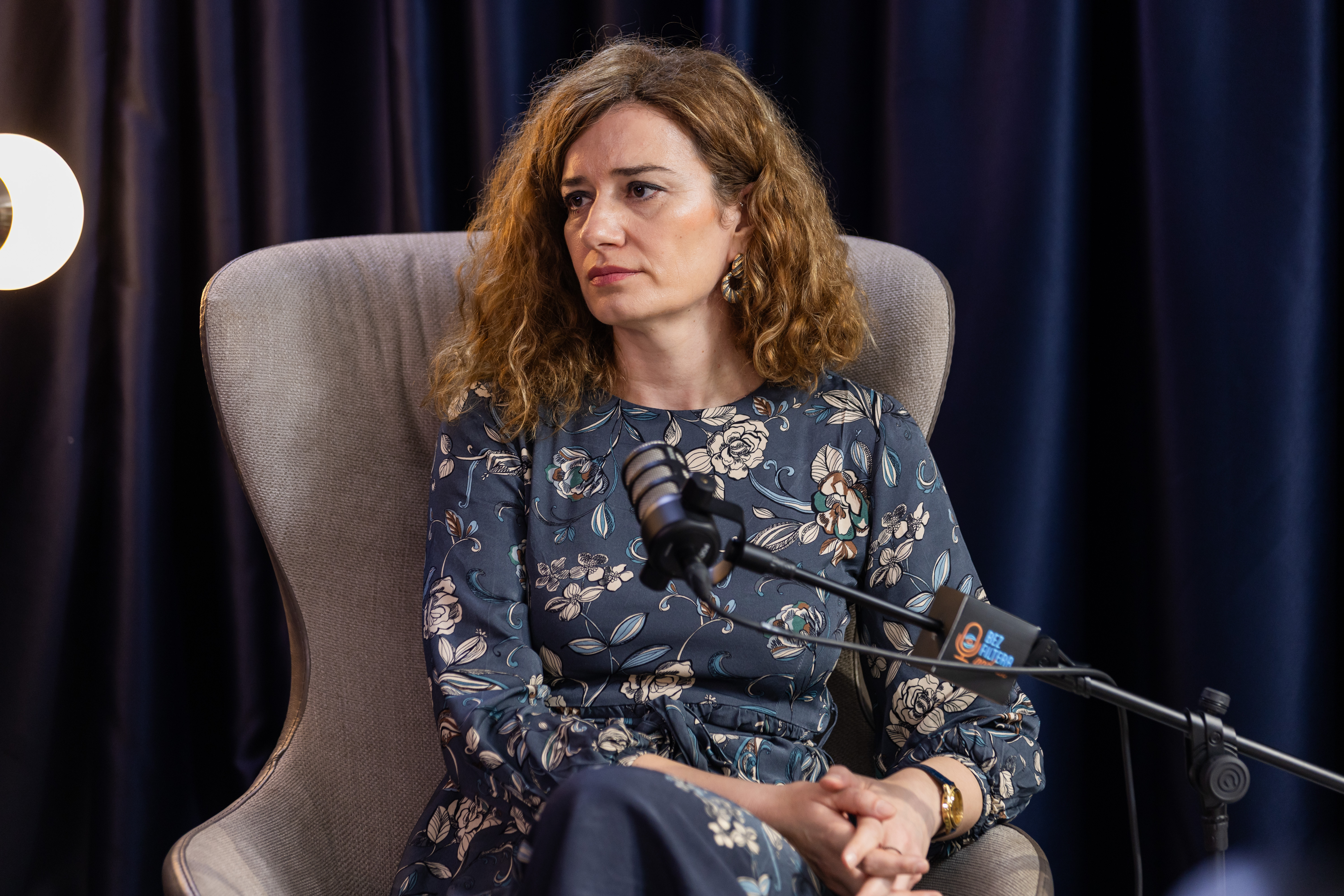
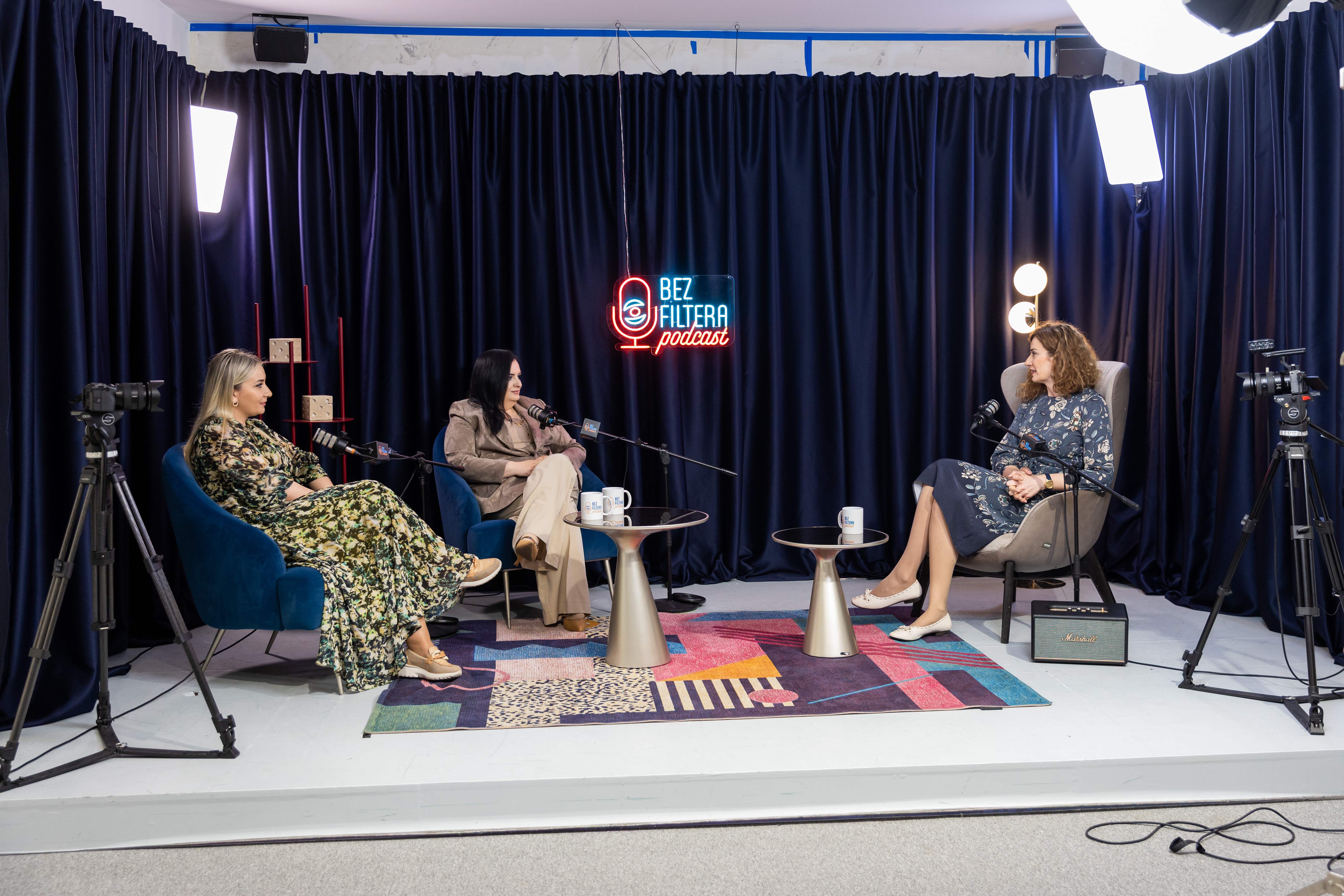
This was the key takeaway during the fifth episode of the podcast "Bez filtera" (Unfiltered), titled "Women in Politics: Public Space, Personal Blows," produced by the Center for Monitoring and Research (CeMI).
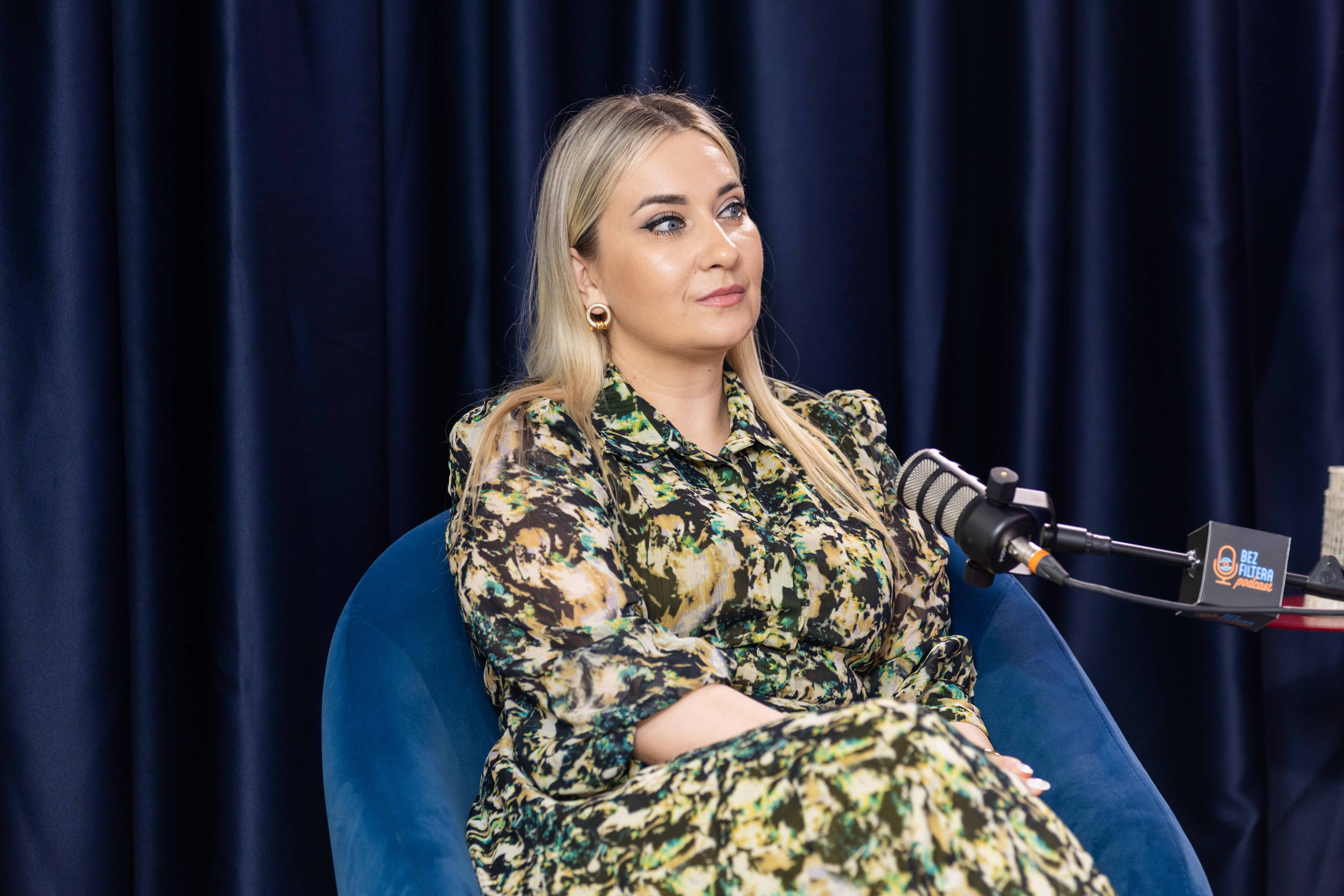
The Minister of Labor, Employment, and Social Dialogue, Naida Nišić, stated that she was surprised by the intense negative public reaction regarding legislative changes concerning parental leave.
According to her, the drafting process involved trade unions, employers, NGOs, and other stakeholders, which is why she did not expect the proposal to trigger an "avalanche of negative comments."
"I believed the legal solution had passed through all filters and working groups, and that it shouldn't have been a surprise when it officially reached the public," Nišić said.
However, as she pointed out, she was personally most affected by the level of hatred and chauvinism in the public sphere, especially on social media.
"I realized we must speak much louder about these phenomena so that future generations do not face the same problems. What our predecessors fought for is not permanently guaranteed; we must constantly fight for those rights," the minister stated.
She noted that while it is legitimate to criticize legislative solutions, she believes that hate speech and personal attacks must be more clearly sanctioned.
"It is one thing to criticize a law, but quite another to comment on someone’s appearance, private life, or personal characteristics. Such comments affect people equally," Nišić said.
She particularly highlighted the difference in how women and men are treated in public.
"Women are much more frequently subjected to comments about their private lives—whether they are married, have children, or plan to have them. This rarely happens to men," Nišić concluded.
She added that the negative comments personally affected her at one point, as well as her family.
"I didn't know whether to comfort myself or my family members first. Support often comes in the form of people sending you the worst comments along with a message to ignore them—but that still means you end up reading them," Nišić stated.
She pointed out that she received support from the Women's Club of the Parliament of Montenegro, regardless of political affiliation, as well as from numerous female citizens who, as she noted, saw themselves reflected in the insulting comments.
She highlighted that one of the comments that hurt her the most was being called "barren" (jalova).
"That is an extremely harsh and unacceptable comment. Many women struggling to conceive reached out to tell me how much it affected them. In the 21st century, we cannot value people based on whether or not they are parents," Nišić said.
Reflecting on her experience, Nišić mentioned that she felt a fear of public speaking at one point, but decided to actively return to the public eye to overcome that barrier.
"I realized that withdrawing would only increase the fear. That’s why I started gradually, with simpler public appearances," said Nišić.
She emphasized that her motivation to continue her work is Montenegro’s EU accession process, particularly in the areas of free movement of workers and social policy.
Nišić stated that she learned from the entire situation that even solutions aligned with European standards and accepted by experts may not be well-received by the general public.
"Perhaps the content of the law should have been communicated earlier and more loudly so that the public was better informed," Nišić remarked.
She also believes it is necessary to further regulate hate speech, including in online spaces.
"As a society, we have not yet matured enough to leave everything to individual responsibility. We need clear legal frameworks," the minister assessed.
She concluded by saying that work must be done to create a safer environment for women in public life.
"I would like to see a society without prejudice, where people are not judged by their appearance or private choices, but by their work and results," Nišić concluded.
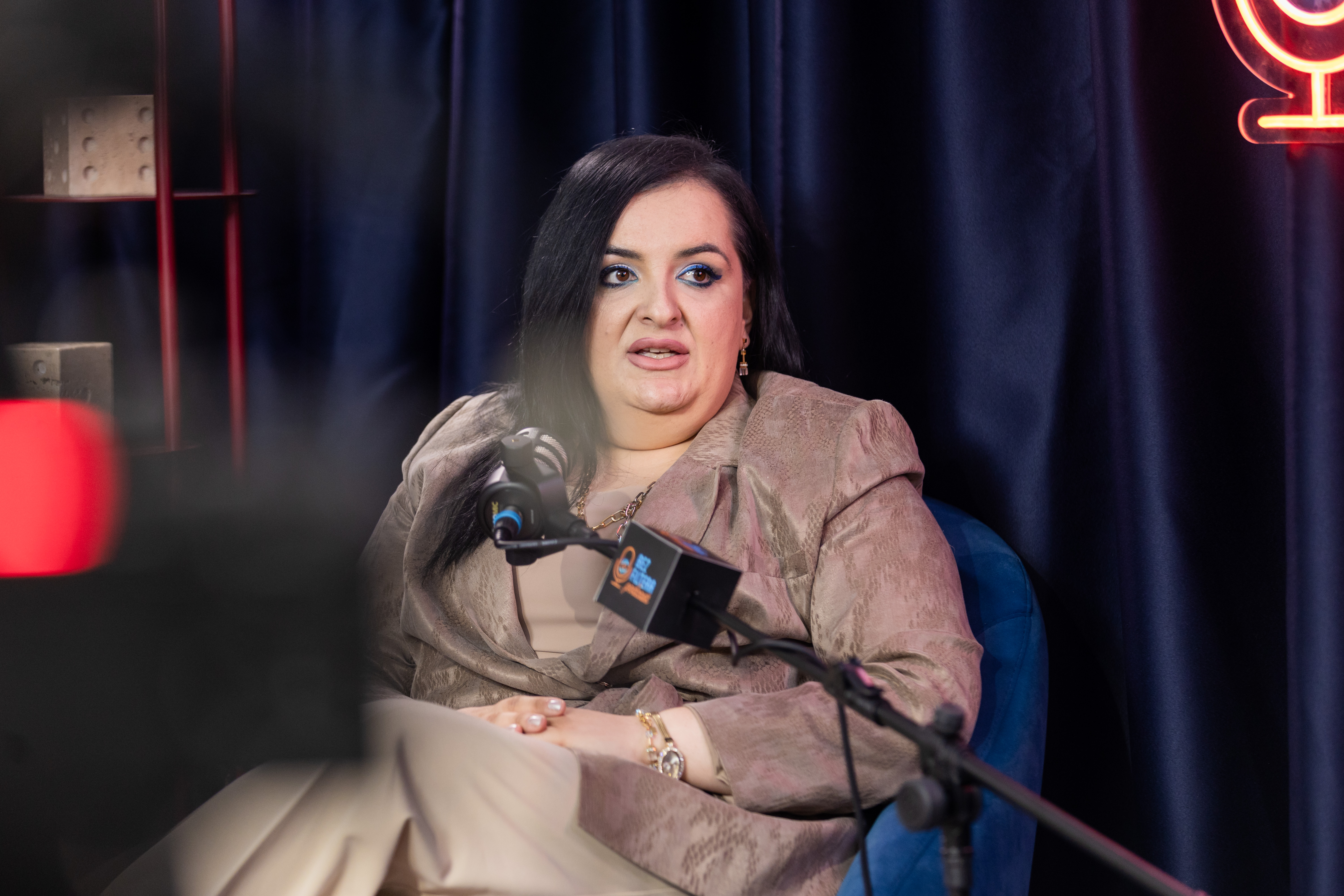
Independent MP in the Parliament of Montenegro, Maja Vučelić, stated that she has faced pressure, lawsuits, and political attacks due to her publicly expressed views, emphasizing that politics must not be a space for intimidation, but for the free expression of opinion.
"Politics is neither a fashion runway nor a reform school for women; it is a space where only one thing matters: whether you are speaking the truth and working in the public interest," Vučelić pointed out.
She noted that legal proceedings are currently being conducted against her regarding a statement she made about foreign influence.
"I called on the competent institution to investigate the connections between our politicians and the Serbian security service, based on a statement by Aleksandar Vulin. Because of that, I was sued," Vučelić stated.
According to her, that statement was followed by pressure, insults, and labeling, and she views the lawsuit as an attempt at intimidation.
"It is an attempt to silence me and ensure I do not touch powerful people," Vučelić emphasized.
She pointed out that as an independent MP, she has the freedom to express her views, but she also lacks party protection.
"That has both advantages and disadvantages. I can speak freely, but I don't have a 'backbone' (party backing) to protect me," Vučelić said.
Another case, as she stated, concerns events within the organization CIVIS, of which she was a member.
"The majority of members did not want politics to be conducted in the way it was. When we rebelled and democratically voted on proposals, security was brought in, and we were prevented from entering the Assembly," Vučelić said.
She believes that politics must not be a "playground for the arrogant, but for free people," emphasizing the importance of women in politics having their own stance. She criticized party discipline, stating that it often stifles women.
"When a woman bows her head and allows herself to be disciplined by the party, it is not good for society. And when she resists, she often encounters insults and pressure," Vučelić said.
As an example, she mentioned the debate on increasing quotas for women on electoral lists.
"Publicly, everyone was in favor of greater female participation, but behind closed doors, the situation was different. Some women within the parties often simply followed the views of their party leaders," Vučelić said.
Speaking about support, Vučelić stated that solidarity was lacking even among female colleagues.
"A woman from the party whose leader sued me came forward to attack me. We have reached a situation where woman attacks woman, which is devastating for society," Vučelić stated.
She added that she did not receive support from the Women's Club in Parliament either.
"Not a single woman dared to offer me support, because that leader was part of the parliamentary majority at the time," Vučelić said.
She emphasized that during the court proceedings, she rejected the possibility of the lawsuit being withdrawn in exchange for an apology.
"I was told the lawsuit would be dropped if I apologized, but I did not agree. I am ready to go all the way to Strasbourg," Vučelić declared.
Despite the pressure, she says she will continue her political activity.
"It is my obligation; I received a mandate from the citizens," Vučelić said.
Regarding the position of women in politics, Vučelić emphasized that they must not accept a "decorative role."
"If we don't fight for ourselves, we cannot have our place. That is not good for society either, because without it, there is no progress," Vučelić said.
She believes it is necessary to further strengthen the participation of women in politics through legislation.
"I would like to see 50 percent women on the lists. We are still a patriarchal society, and without legal solutions, that will not change," Vučelić said.
She added that the number of women in the current convocation of Parliament is lower than in the previous one, which she sees as proof that institutional measures are necessary.
"That is why it is important to regulate this by law, and then we will see the results," Vučelić concluded.
The fifth episode of the podcast "Bez filtera" (Unfiltered), titled "Women in Politics: Public Space, Personal Blows," was produced as part of the project "Equally in Public – for a Safe Public Space in Montenegro," implemented by CeMI with financial support from the Ministry of Human and Minority Rights. The views expressed in the podcast do not necessarily reflect the views of the Ministry of Human and Minority Rights.