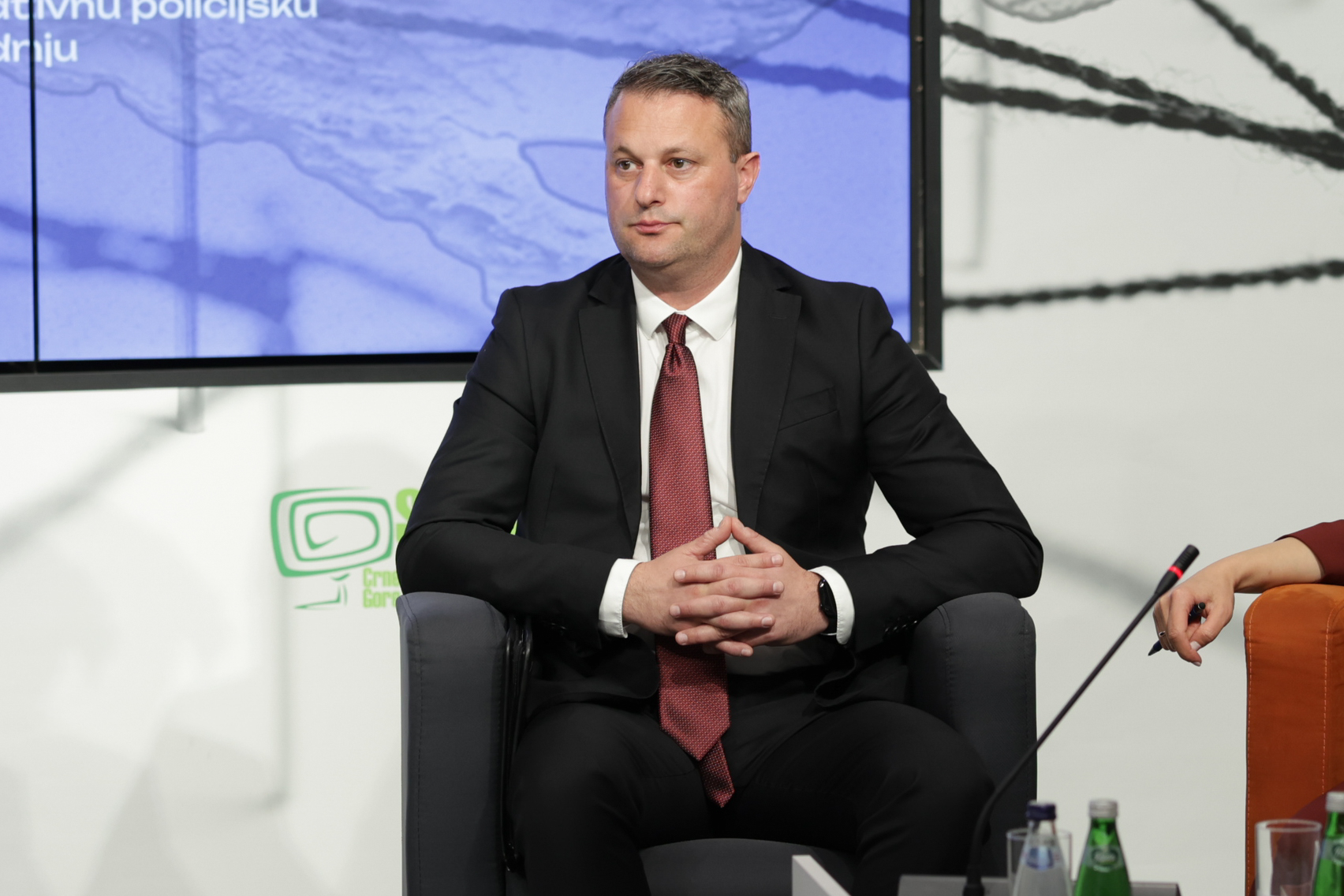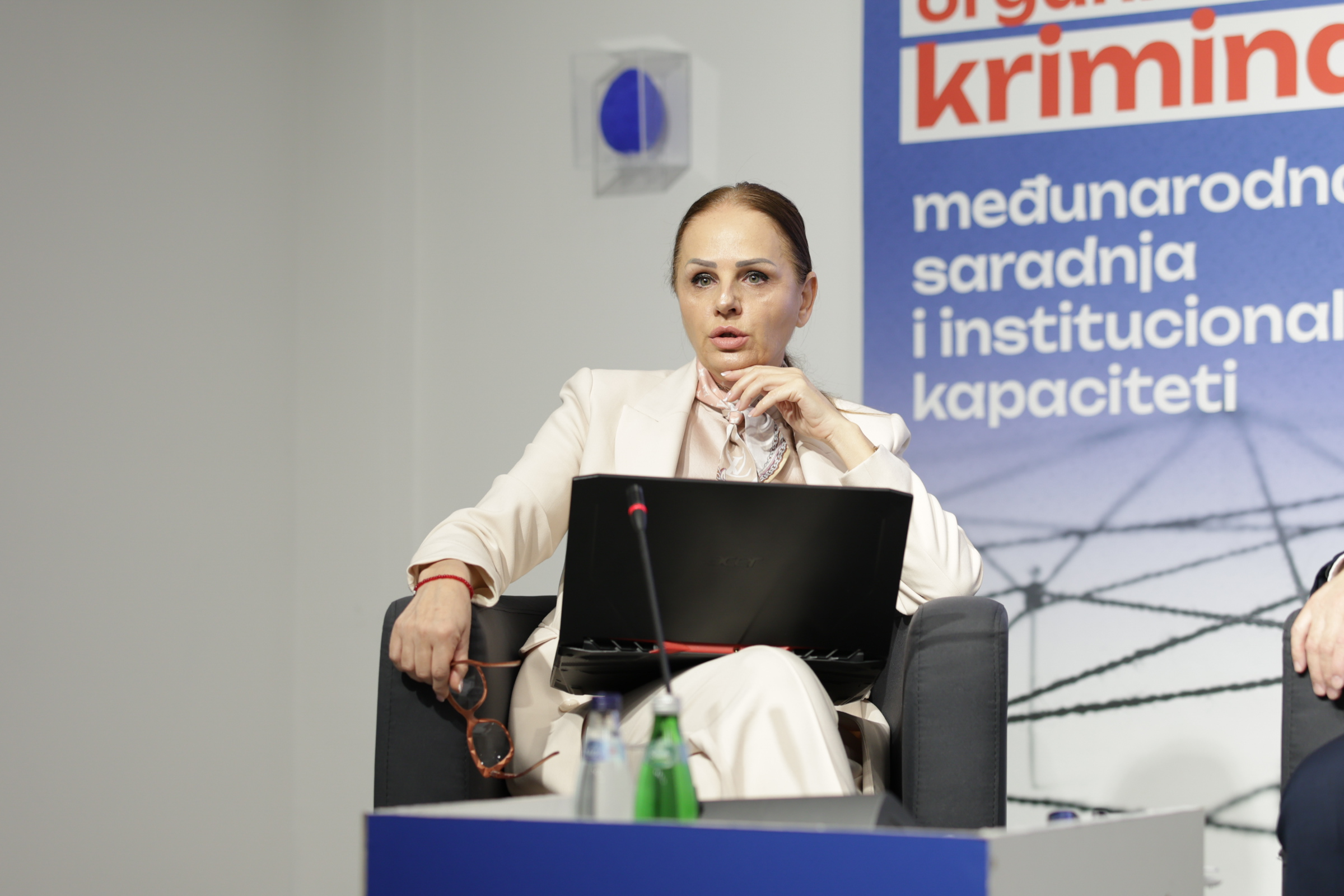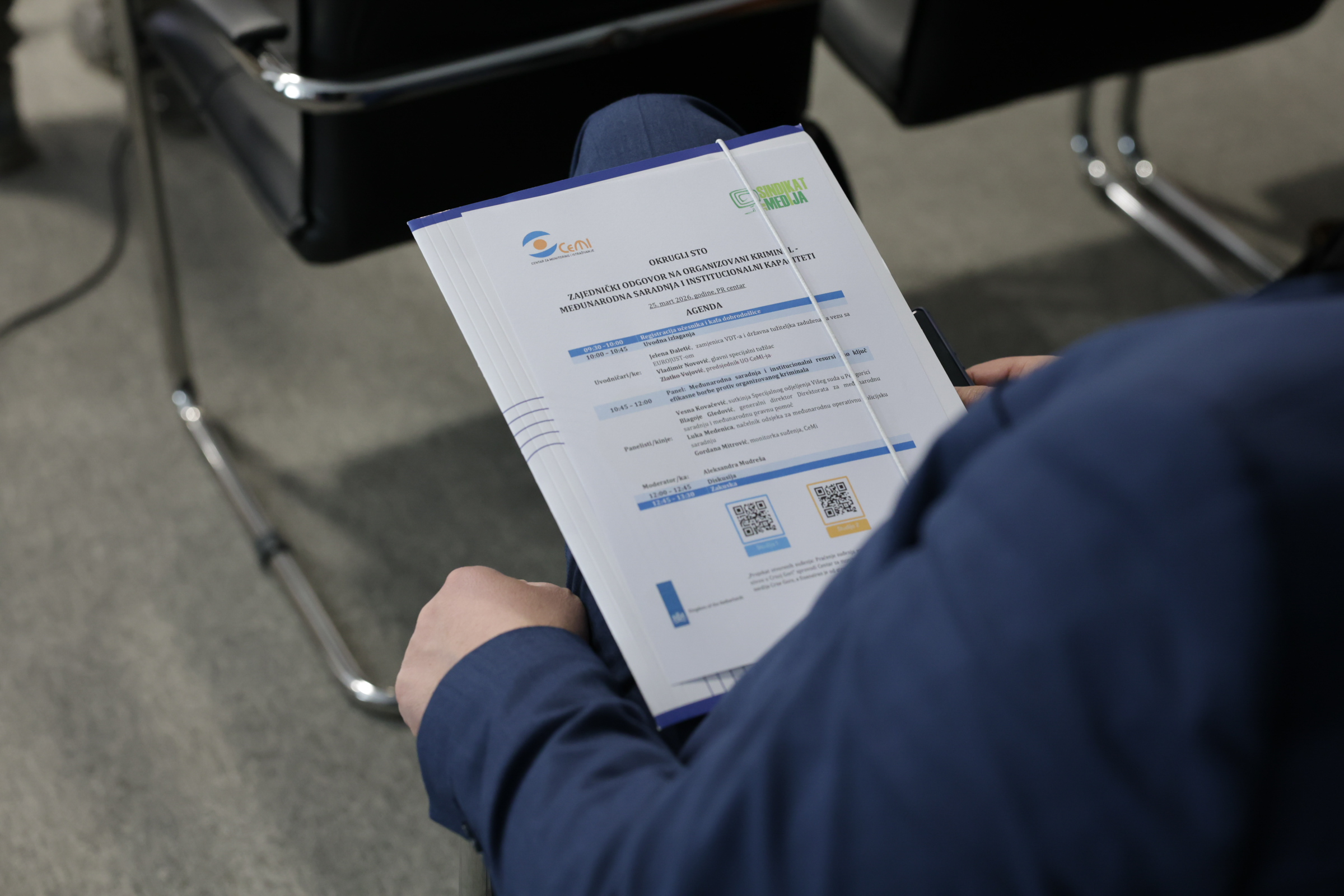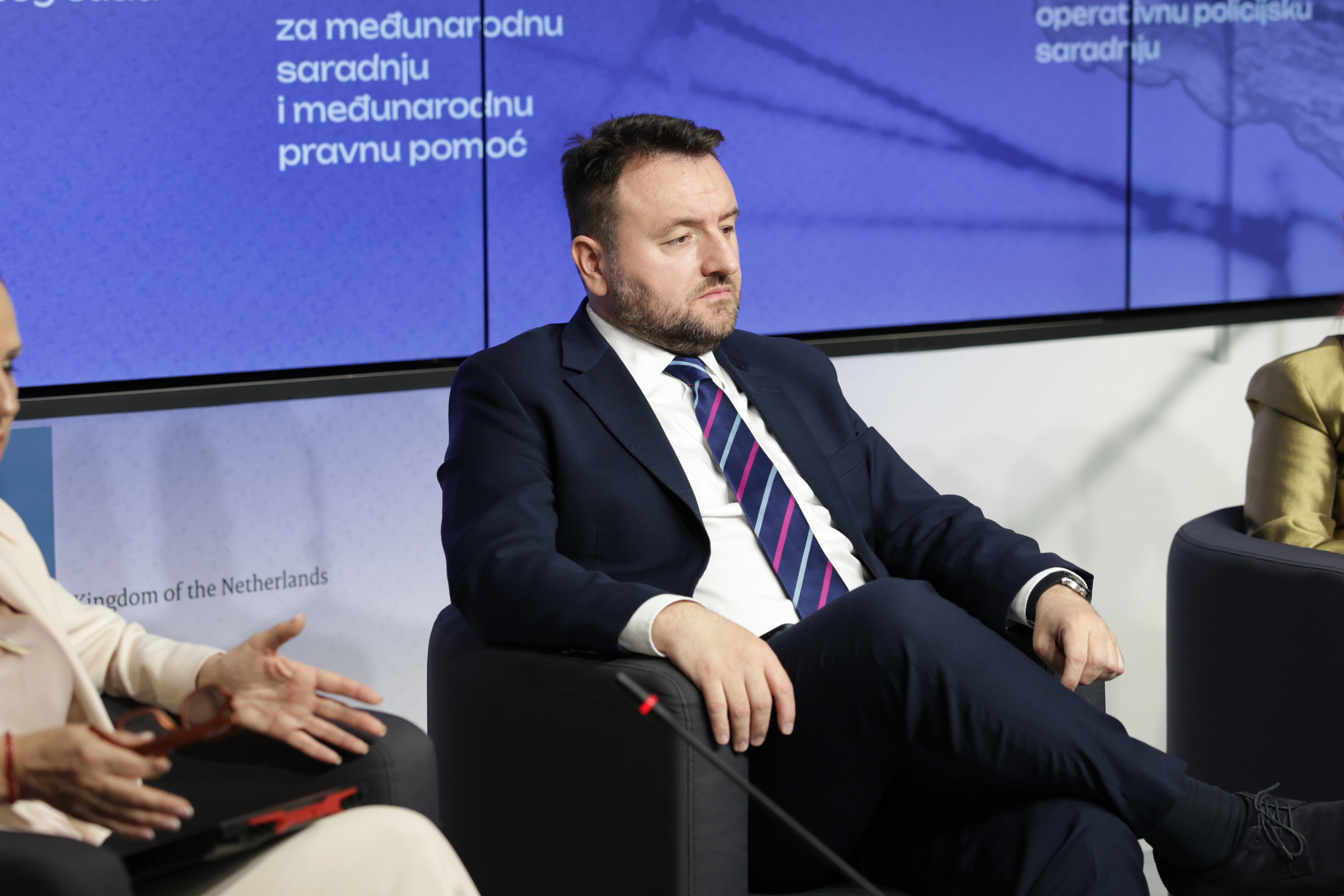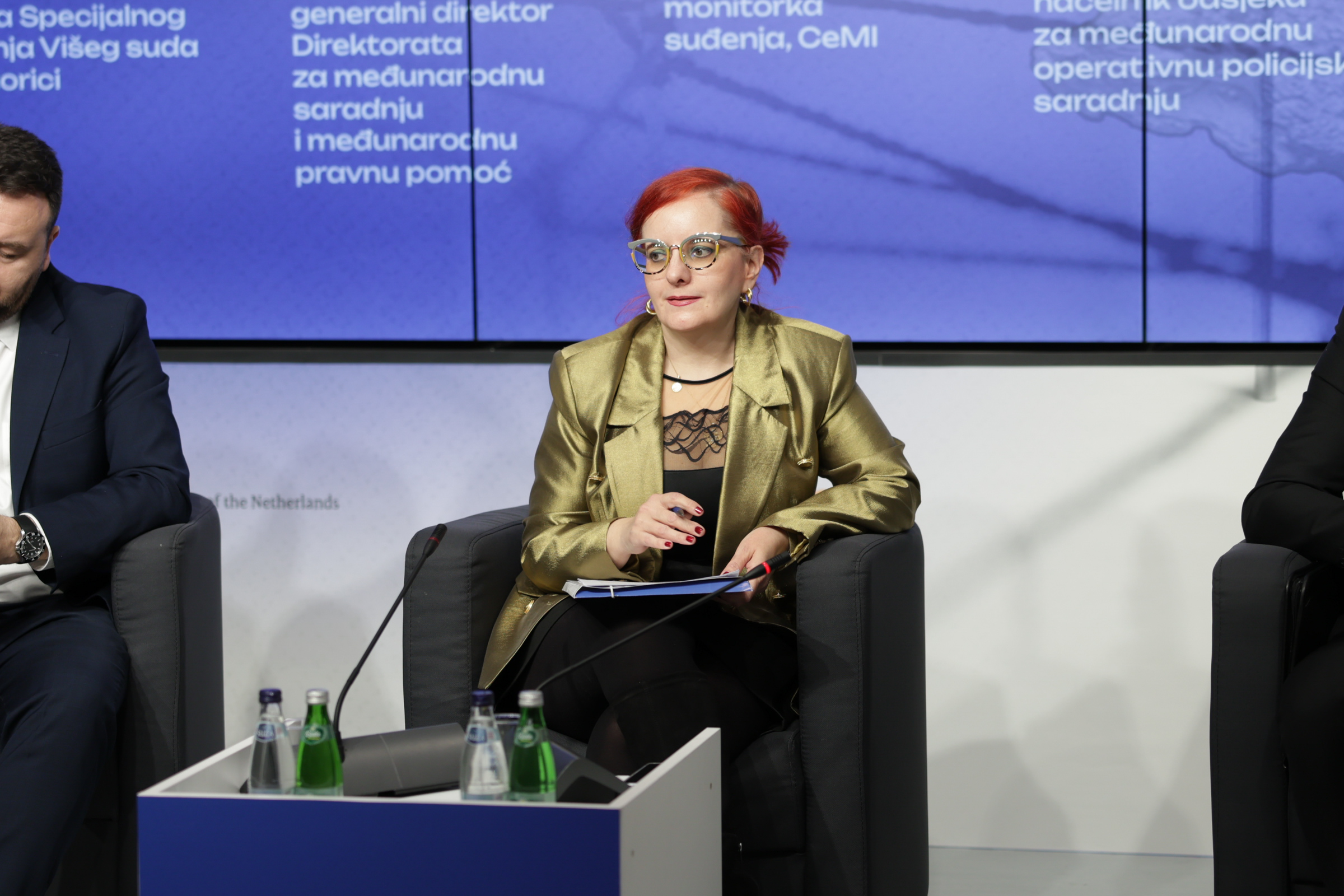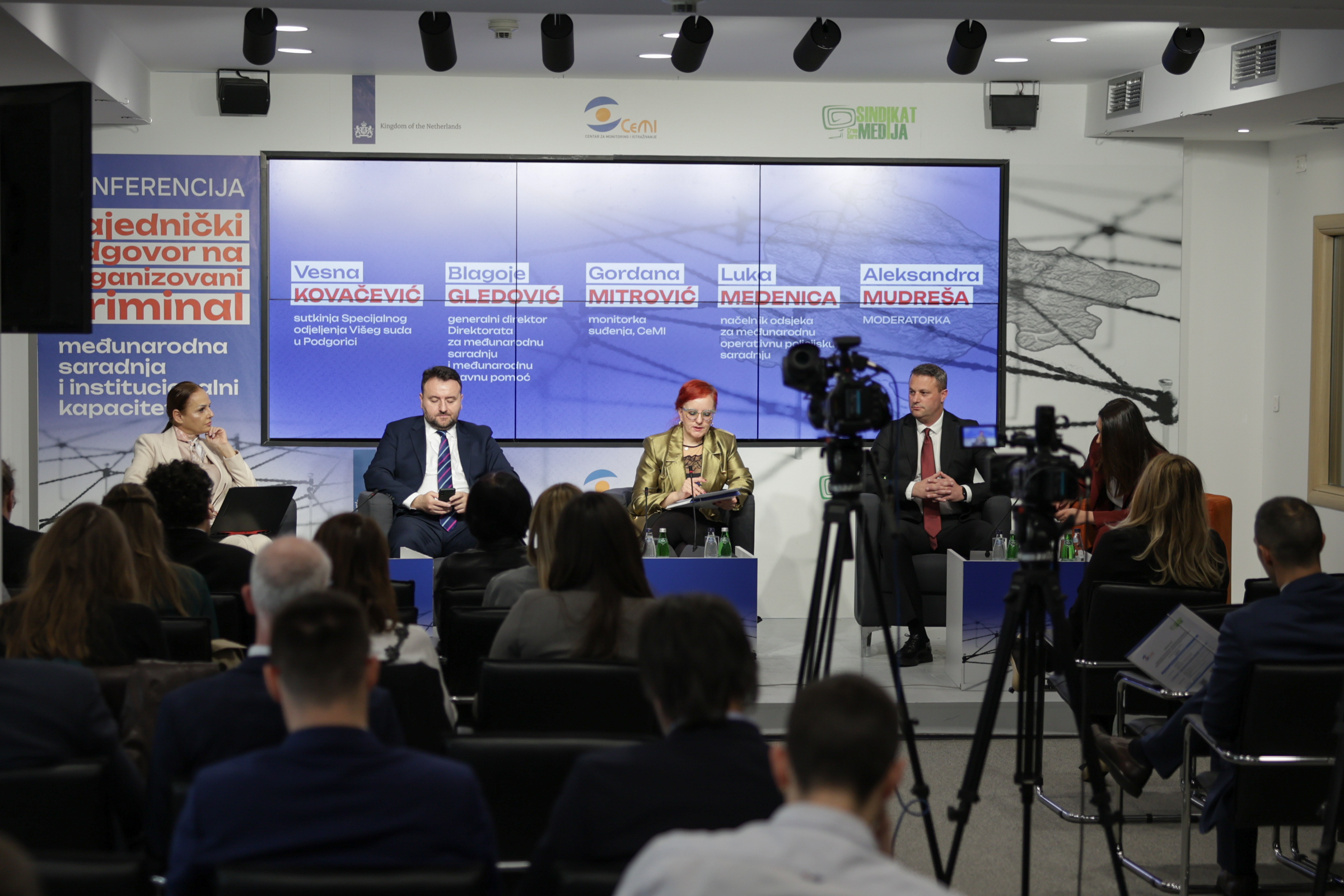
This was stated by CeMI trial monitor Gordana Mitrović during her presentation today at the panel “International Cooperation and Institutional Resources as the Key to Effective Fight Against Organized Crime.”
Referring to the European Commission reports, including the IBAR, Mitrović emphasized that key challenges are particularly visible in the areas of financial investigations, permanent asset confiscation, and the use of modern mechanisms of international cooperation, such as joint investigation teams, which have not yet been fully utilized in practice.
When it comes to international cooperation, she stressed that Montenegro has a good level of cooperation with EUROPOL and is recognized as one of the key partners in projects related to high-risk organized crime groups. During the last year alone, 3,439 messages were exchanged via the SIENA application, while the country actively participates in the EMPACT cycle through dozens of operational actions.
Cooperation with EUROJUST was also assessed as intensive, with a total of 420 coordination cases in previous years, while regional cooperation is being further strengthened through the “Western Balkans Criminal Justice” project.
However, despite the formal possibilities, joint investigation teams with EU member states have not yet been used, indicating the need to strengthen the operational capacities of the prosecution and the police.
Mitrović also recalled the cooperation with the European Public Prosecutor’s Office (EPPO), with which an agreement was signed in 2022, but noted that certain opportunities for which formal conditions exist—such as sending a liaison officer to the headquarters of this institution—have still not been utilized.
When it comes to police cooperation, Montenegro has been an active member of INTERPOL since 2006, and during 2024, 107 persons were arrested based on international arrest warrants. Participation in major international operations was also highlighted, including operation “Liberterra II” against migrant smuggling and human trafficking.
Speaking about institutional capacities, Mitrović pointed to serious shortcomings. The Special Police Department, although granted a higher degree of autonomy, has only 33 out of the planned 60 positions filled. The overall capacities of the Police Directorate in the fight against crime are limited, with around 50 percent of systematized positions filled.
Similar challenges are present in the Special State Prosecutor’s Office, which during 2024 worked on more than 2,300 criminal complaints, with an average workload of 131 cases per prosecutor annually, significantly exceeding the European average of around 40 complex cases per prosecutor per year. An additional problem is the lack of experts in financial investigations and digital forensics.
Problems are also evident in the judiciary – the Special Department of the High Court in Podgorica faces a limited number of judges and a lack of spatial capacity, having only two courtrooms at its disposal.
Mitrović emphasized that the fight against organized crime requires a stronger institutional response, including strengthening human, technical, and spatial capacities, as well as specialized training.
Among the key recommendations, she highlighted the need for further alignment of legislation with EU standards, strengthening international cooperation, better use of existing mechanisms such as joint investigation teams, as well as continuous staff education, including training in the English language.
She also pointed out the importance of greater transparency and regular reporting on results in the fight against organized crime.
According to the European Commission’s assessment, Montenegro is currently moderately prepared in this area, with a recommendation to increase the efficiency of criminal proceedings, particularly in money laundering cases, and to address the problems of prolonged trials.
Additional recommendations come from international organizations, including the OSCE and MONEYVAL, which have recognized some progress but also highlighted the need for further strengthening of the system in combating financial crime and organized criminal networks.
Judge of the Special Department of the High Court in Podgorica, Vesna Kovačević, stated that over the past year, courts in Montenegro continued active communication with foreign judicial authorities, exchanging requests in accordance with bilateral and multilateral agreements, as well as other relevant international documents.
“Directly submitted requests related to demands for legal assistance, obtaining evidence, and conducting procedural actions necessary for carrying out judicial proceedings. At the same time, received requests represented demands from foreign judicial authorities addressed to Montenegrin courts to undertake appropriate actions within the territory of Montenegro. The largest number of requests were sent to Serbia, Bosnia and Herzegovina, and Kosovo, while the largest number received came from Serbia, Italy, and Croatia,” Kovačević noted.
She stated that, according to available data, a total of 287 requests were sent, of which 186 were fulfilled, 39 requests were denied, and 62 were not answered.
“In criminal matters, 118 requests were sent, 70 were fulfilled, 18 denied, and 25 were not answered,” Kovačević specified.
Regarding received requests, she added, there were a total of 679.
“Of that number, 358 requests were fulfilled, 101 were denied, and 220 were not answered. In civil matters, 465 requests were received – 196 were fulfilled, 82 denied, and 187 went unanswered. In criminal matters, 214 requests were received, of which 162 were fulfilled, 19 denied, and 33 not answered,” Kovačević stated.
She assessed that these data indicate significant progress compared to the previous year, particularly regarding the pace of international cooperation and the handling of received requests.
Speaking about the legislative framework, Kovačević emphasized that the Law on International Legal Assistance in Criminal Matters, recently amended, is most frequently applied in practice. Some of the amendments, she noted, still raise certain contentious issues, especially regarding extradition.
“According to the new provisions, a person can be held in custody pending extradition without a previously strictly limited timeframe, which raises questions about the control and periodic review of detention. It is also specified that in cases where two states request the extradition of the same person, the court decides solely on the fulfillment of extradition conditions, while the final decision on which state the person will be extradited to is made by the Minister of Justice,” Kovačević explained.
Kovačević also pointed out serious infrastructural shortcomings.
“The Special Department of the High Court in Podgorica does not have adequate facilities for accommodating witnesses and victims, unlike specialized departments in the region, such as those in Sarajevo, where there are specially equipped and comfortable rooms with psychological support. Such conditions do not exist here, which creates problems both for victims and witnesses, who often have to return to court if they are not heard at the scheduled time,” Kovačević said.
According to her, an additional challenge is the lack of spatial capacity and courtrooms.
“Although the number of judges in the Special Department has increased, there are only two courtrooms available for trials in complex cases of organized crime, war crimes, money laundering, and terrorism. Due to the large number of defendants and their legal counsels in certain cases, the court faces serious logistical problems, which affects the efficiency of proceedings and overall performance,” Kovačević warned.
The Director General of the Directorate for International Cooperation and International Legal Assistance, Blagoje Gledović, emphasized that international cooperation is a key element in the fight against organized crime, which today has a pronounced global and cross-border character.
He stressed that strengthening international legal assistance represents an important response to the needs of society and institutions to improve the rule of law and ensure more efficient functioning of the administration and judiciary.
“There can be no effective, high-quality, and efficient fight against organized crime without strong international cooperation. Organized crime is a global phenomenon, and its models, mechanisms, and methods of operation have evolved significantly in recent decades, posing a major challenge for law enforcement agencies worldwide,” Gledović said.
As he explained, organized criminal groups operate quickly and easily connect at the international level, while states face numerous constraints such as administrative procedures, language barriers, and complex communication channels, which complicate timely responses.
Speaking about the role of the Ministry of Justice, Gledović highlighted that it plays a central function in the system of international legal assistance in criminal matters, both in legislative, operational, and diplomatic terms.
“The Ministry of Justice is the central authority for providing international legal assistance in criminal matters, as well as a key driver of public policies in this field. Our responsibilities include legislation, concluding international agreements, and overall judicial diplomacy in the fight against crime,” Gledović stated.
He specifically pointed to the new Law on International Legal Assistance in Criminal Matters, adopted last year with significant amendments. The aim of the amendments, he added, was to improve procedural efficiency and address shortcomings observed in practice.
“The previous law had been in place since 2008 and underwent only limited changes, the most notable being the introduction of joint investigation teams in 2019. However, practice showed numerous deficiencies that slowed down international legal assistance procedures,” Gledović said.
The new law, he added, serves as an overarching regulation that consolidates key principles from numerous international conventions, which are directly applicable in the Montenegrin legal system.
“Our goal was to make the system more efficient, shorten procedural timelines, and enable better cooperation with both domestic and foreign judicial authorities,” Gledović explained.
He clarified that international legal assistance is a two-way process, noting that Montenegrin authorities send requests to foreign institutions while also acting on requests received from other states, all aimed at conducting criminal proceedings, investigations, and indictments.
This form of cooperation is particularly important for the work of the Special State Prosecutor’s Office and the High Court, where the most serious crimes are prosecuted, such as organized crime, corruption, money laundering, and other complex cases.
He emphasized that numerous segments were improved with the amendments, including direct cooperation between judicial authorities, recognized as one of the most effective models of collaboration at the European level.
“We also introduced additional mechanisms, such as the spontaneous exchange of information, which allows data significant for launching investigations to be shared without a formal request,” Gledović explained.
Provisions relating to extradition were also enhanced, including changes regarding detention, aimed at preventing abuse and ensuring more efficient proceedings.
“We aimed to use the new concept to improve the system and eliminate shortcomings from practice, so that international legal assistance would be faster, more efficient, and serve the fight against modern forms of crime,” Gledović concluded.
The Head of the Department for International Operational Police Cooperation, Luka Medenica, announced that Montenegro has been recording continuous growth in international police cooperation, particularly through communication with Europol and Interpol, where data exchange takes place daily via secure channels.
He emphasized that this department serves as the national contact point for communication between all state authorities and organizational units of the Police Directorate, and that all operational international cooperation is carried out through this office.
“Cooperation with Europol is at an exceptionally high level, particularly through the EMPACT platform, which represents a multidisciplinary mechanism for combating the most serious forms of crime,” Medenica said.
According to him, Montenegro has been actively participating in this mechanism for five years and has applied for 61 out of a total of 285 operational activities for the next cycle. He particularly highlighted that the country has increased the number of so-called “co-leader” positions from three to six, meaning it participates in leading operational activities in areas such as illegal migration, human trafficking, and the pursuit of wanted persons.
Medenica noted that communication with international partners takes place through encrypted and protected channels, with a network of liaison officers in place. However, he pointed out that Montenegro did not previously have a liaison officer at Interpol, but that a recruitment process is underway to appoint a police attaché to Bucharest.
“Liaison officers are an extremely important tool for international cooperation, as they enable continuous communication, 24 hours a day, seven days a week,” he emphasized.
He added that Montenegro participates in all relevant international operations conducted by Europol and Interpol, especially in the areas of drug trafficking, illegal migration, human trafficking, and cybercrime.
A particular focus, Medenica stressed, is on organized criminal groups from Montenegro, which are predominantly involved in international drug trafficking. This issue, he noted, is becoming a European challenge, particularly in the context of drugs arriving from Latin America to ports in countries such as Belgium, the Netherlands, and Germany.
Speaking about extraditions, Medenica noted that the Interpol National Central Bureau is responsible for carrying out these procedures, highlighting that record results were achieved in 2025 in handling international arrest warrants, both domestically and abroad.
However, he also pointed to practical challenges, particularly in cases where individuals in extradition custody submit asylum requests immediately before extradition, which further complicates and prolongs the procedures.
“These processes are extremely complex and lengthy, and an additional problem is that at certain stages of the procedure, information cannot be shared with the country requesting the individual,” Medenica explained.
He added that Montenegro currently has between 80 and 90 individuals awaiting extradition, and that the implementation of the new Law on International Legal Assistance will contribute to more efficient resolution of these cases.
Medenica emphasized that an additional challenge in the upcoming period will be the implementation of the European Arrest Warrant, which will become mandatory after Montenegro’s accession to the European Union.
The roundtable was organized as part of the “Open Trials Project: Monitoring Trials for Organized Crime and High-Level Corruption in Montenegro,” implemented by the Center for Monitoring and Research (CeMI) in cooperation with the Media Union of Montenegro, and funded by the Embassy of the Kingdom of the Netherlands.