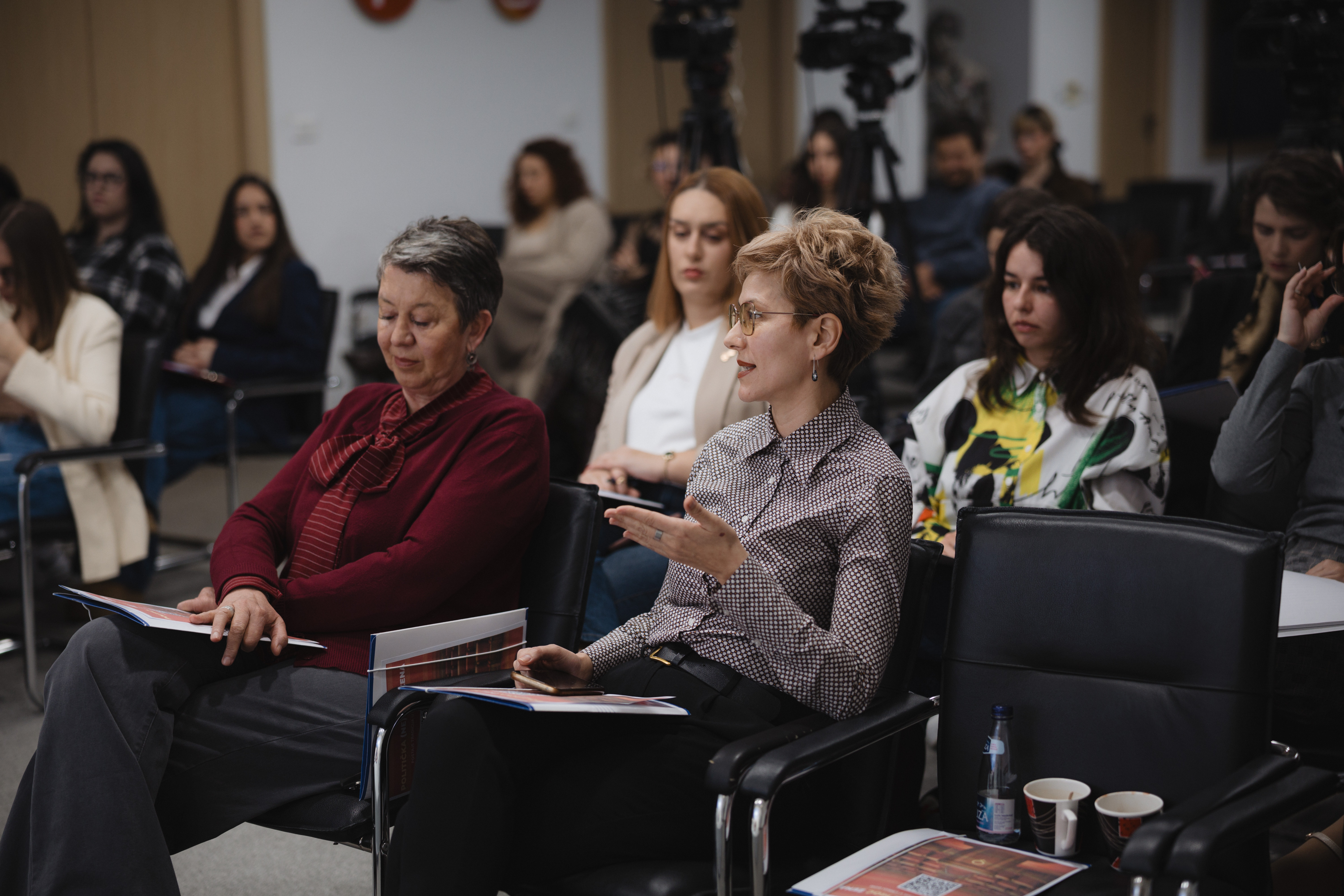
Women in Montenegro are not less interested in or competent for politics, but they are constrained by deeply rooted gender norms, stereotypes about social roles, unequal distribution of power within political structures, as well as a hostile environment that includes discrediting, hate speech, and gender-based attacks in the public sphere.
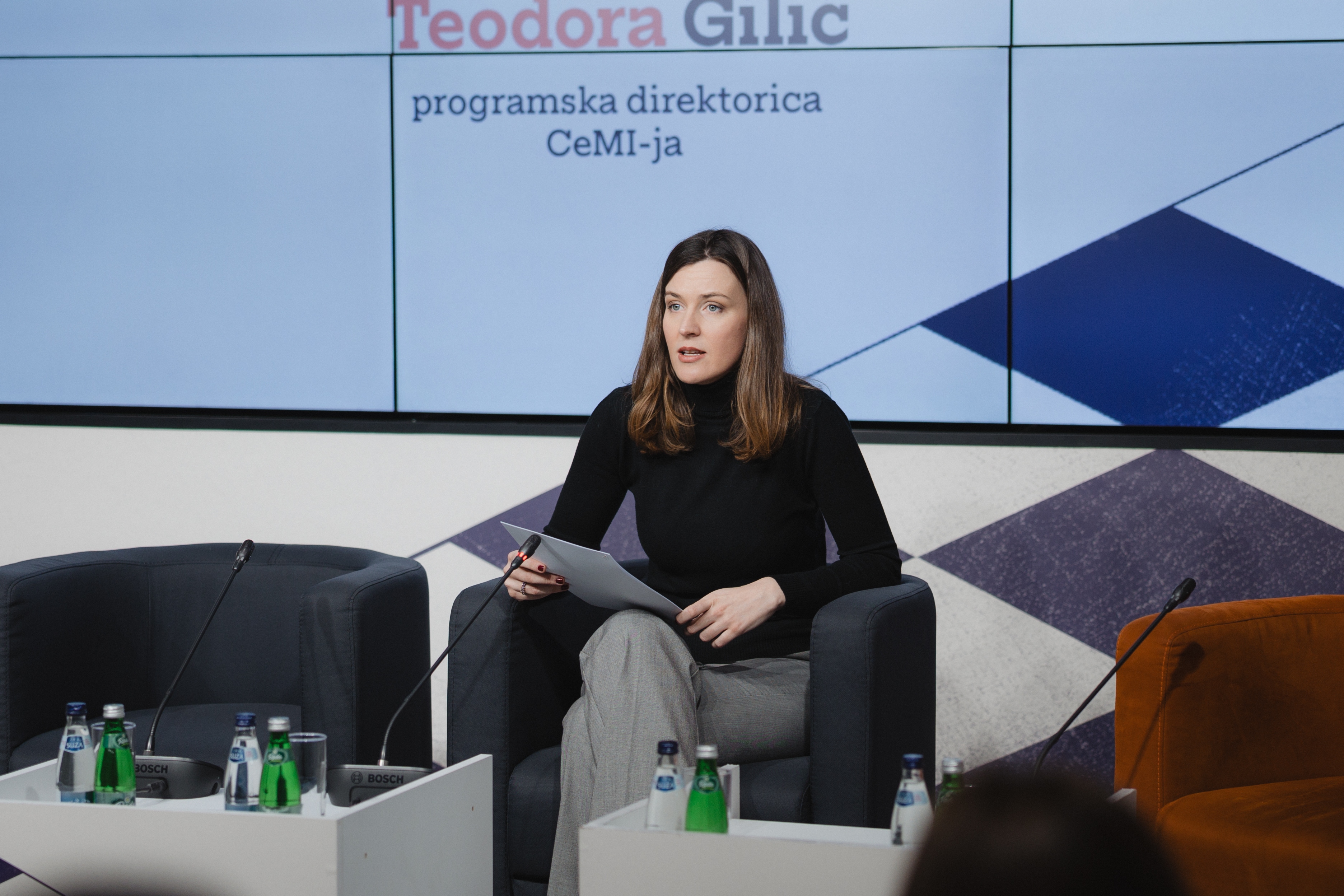
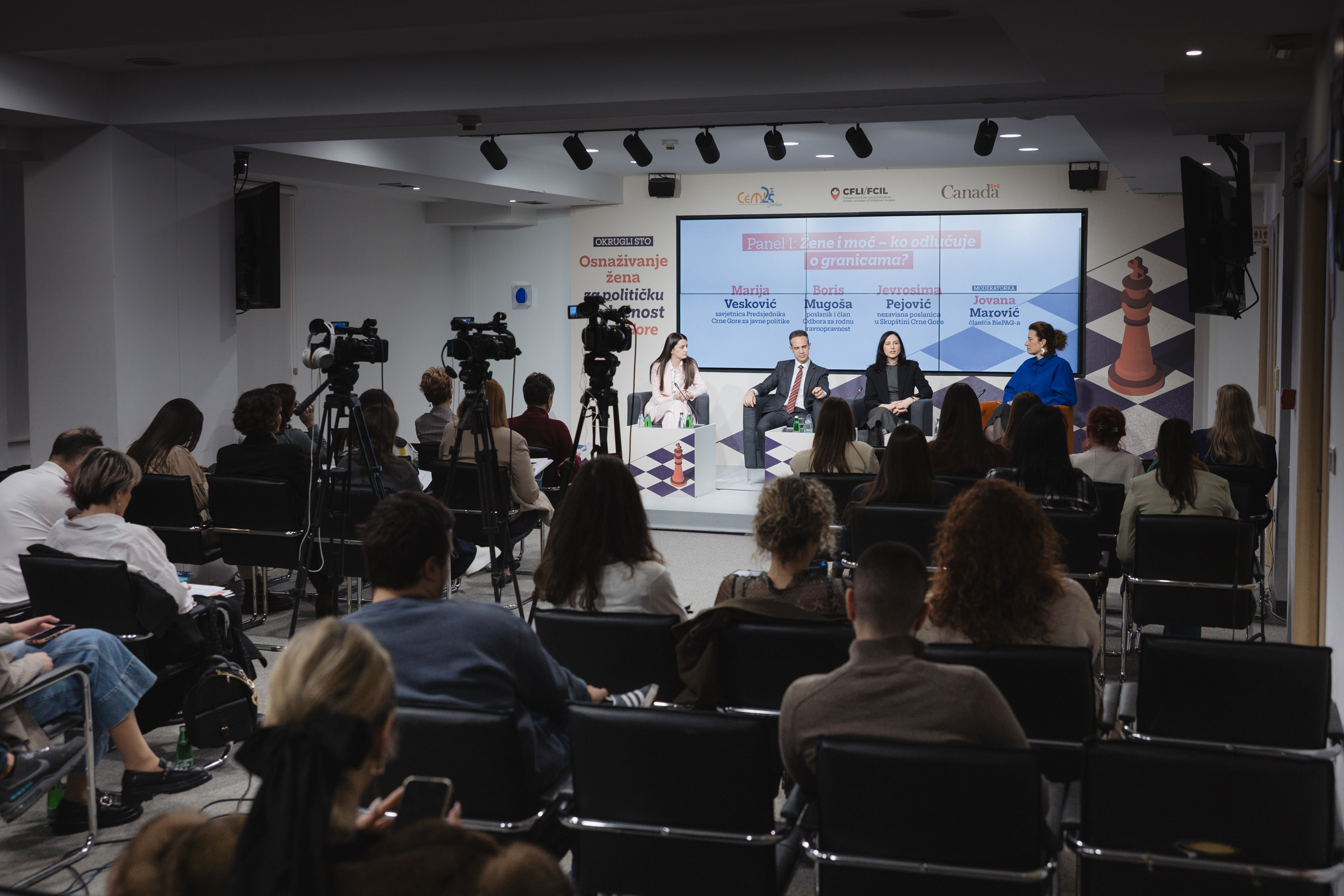
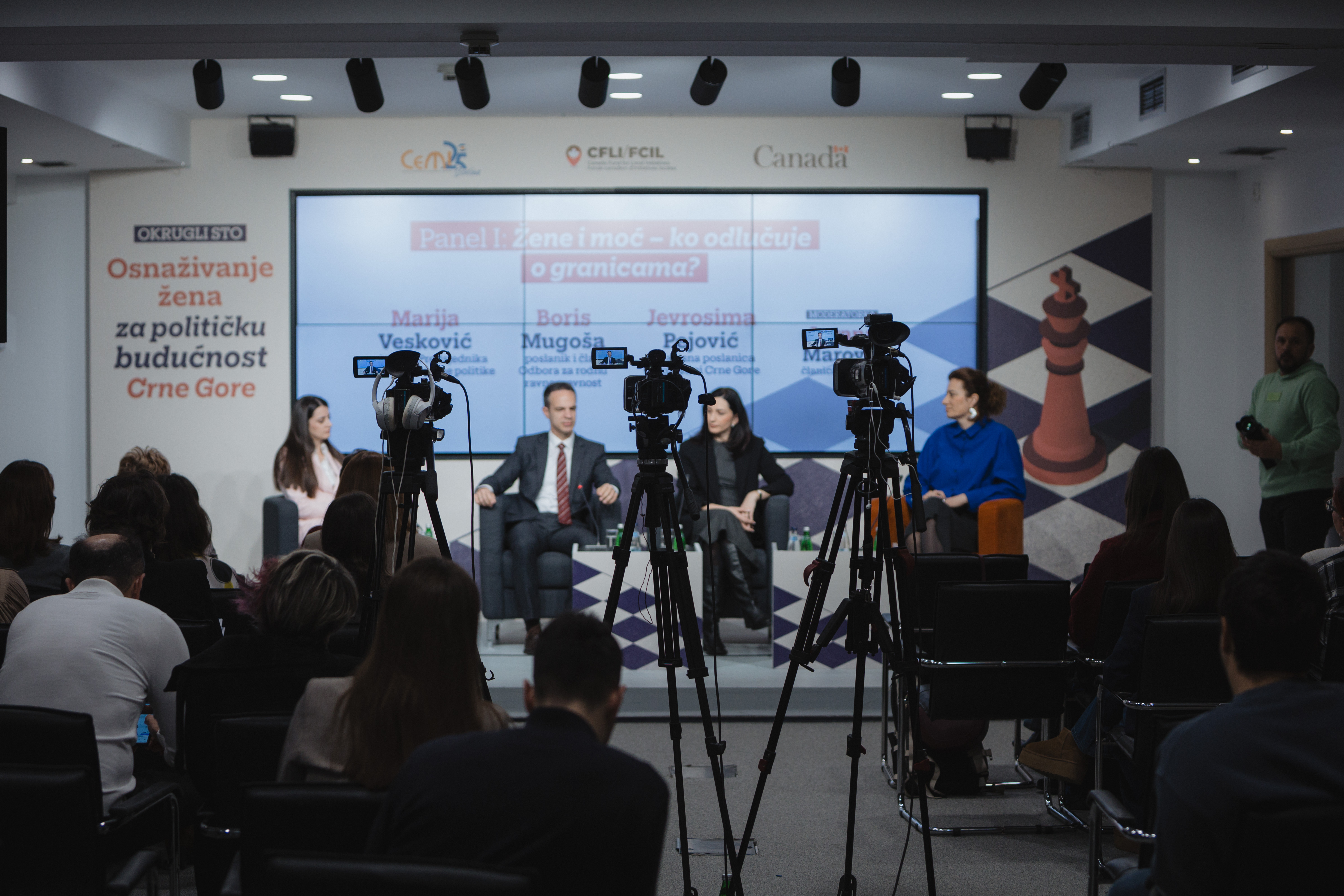
This was stated at the roundtable “Empowering Women for the Political Future of Montenegro”, which we organized today. CeMI Program Director Teodora Gilić emphasized that an improved legal framework, including a 40 percent quota for the less represented gender, does not automatically mean substantive equality for women in politics.
“Numbers are important, but on their own they do not guarantee real influence, equal participation in decision-making, or a change in political culture,” said Gilić.
She pointed out that women in Montenegro are not less interested in politics nor less competent, but that they are limited by deeply rooted gender norms, stereotypes about social roles, unequal distribution of power within political structures, as well as a hostile environment that includes discrediting, hate speech, and gender-based attacks in the public sphere.
According to her, the challenges are multi-layered: from gender prejudice affecting perceptions of women’s leadership, insufficient support within party structures, and limited access to informal networks of power, to difficulties in balancing private and professional responsibilities and media representation that often focuses on personal characteristics rather than political competence. Gilić also pointed to the gap between formal gender equality policies and their implementation in practice.
Speaking about the project implemented by CeMI, Gilić stated that, for the first time, the podcast series “Bez filtera” was launched as a space for open dialogue on women’s political engagement.
“Within the project, three podcast episodes and 12 accompanying video clips were produced, which achieved more than 160,000 views across various platforms, not including television broadcasts. At the same time, training sessions were organized in the fields of leadership, public speaking, advocacy, and understanding political processes, through which 35 participants from institutions, political parties, organizations, and activist initiatives were empowered,” Gilić stated.
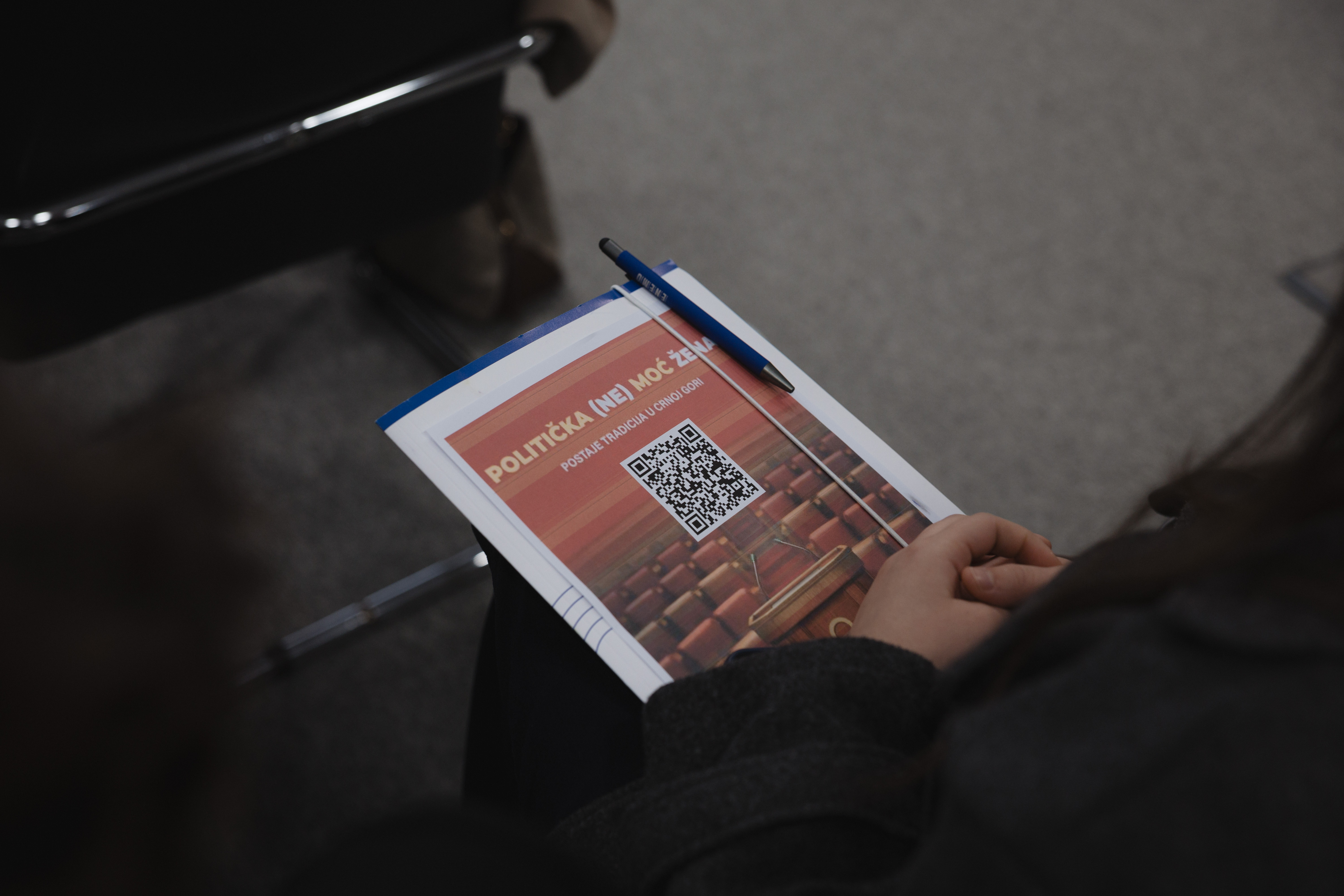
She said that, as part of the project, a report on women’s political participation in Montenegro was also prepared, showing that despite normative progress, women are still not equally represented in positions of real power, particularly in executive functions and party decision-making structures. The publication, she noted, contains concrete recommendations ranging from improving electoral legislation and sanctioning mechanisms to internal party reforms and more responsible media practices.
“The key question is no longer just how many women we have on electoral lists, but how many of them actually participate in policy-making, lead key committees and processes, and whether the political system recognizes gender equality as a democratic standard rather than a formal obligation,” Gilić emphasized.
She assessed that improving women’s political participation is not only a women’s issue, but an issue of the quality of democracy, stating that strong institutional guarantees, consistent implementation of laws, support within political parties, gender-responsive media reporting, and continuous empowerment of women for leadership positions are necessary.
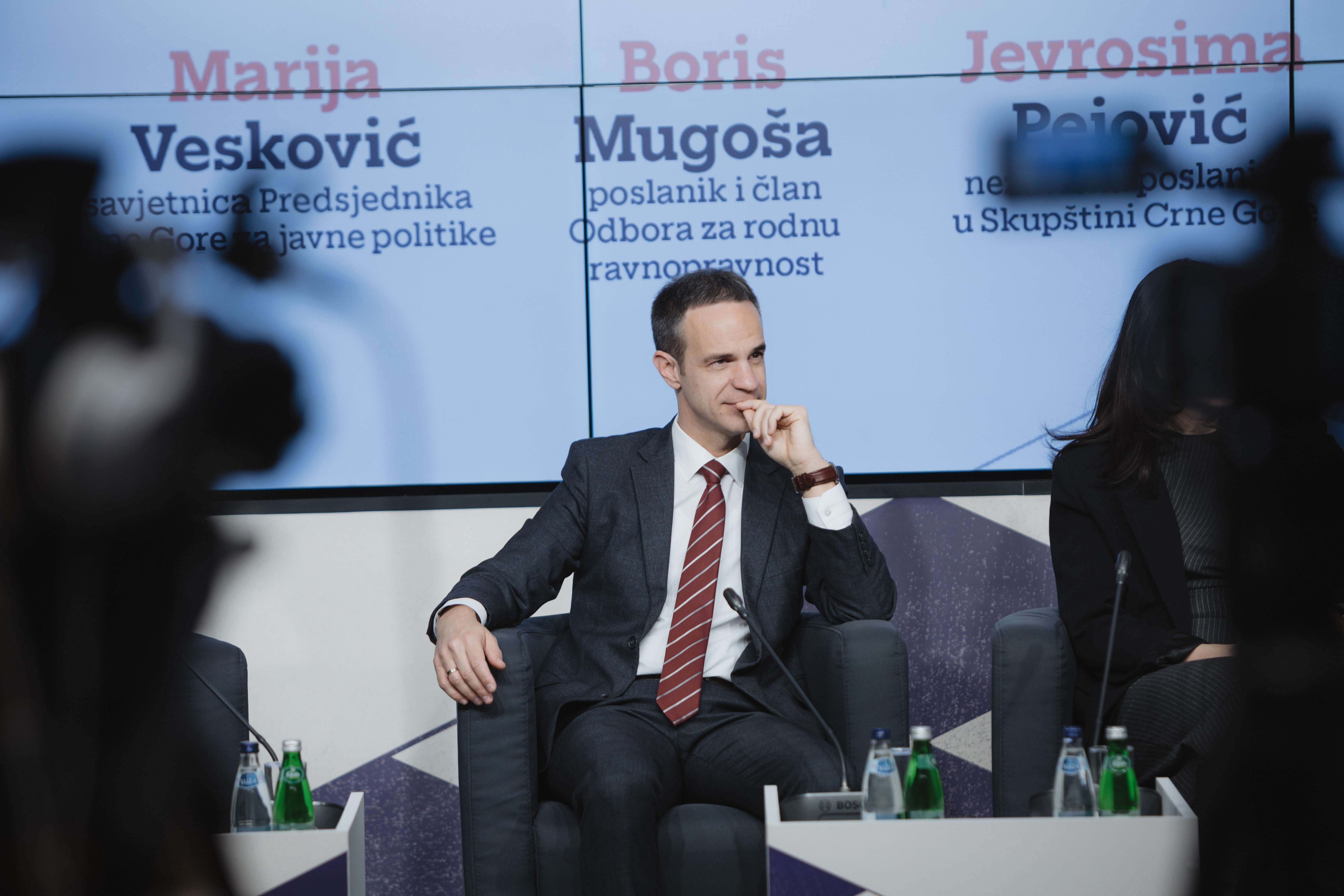
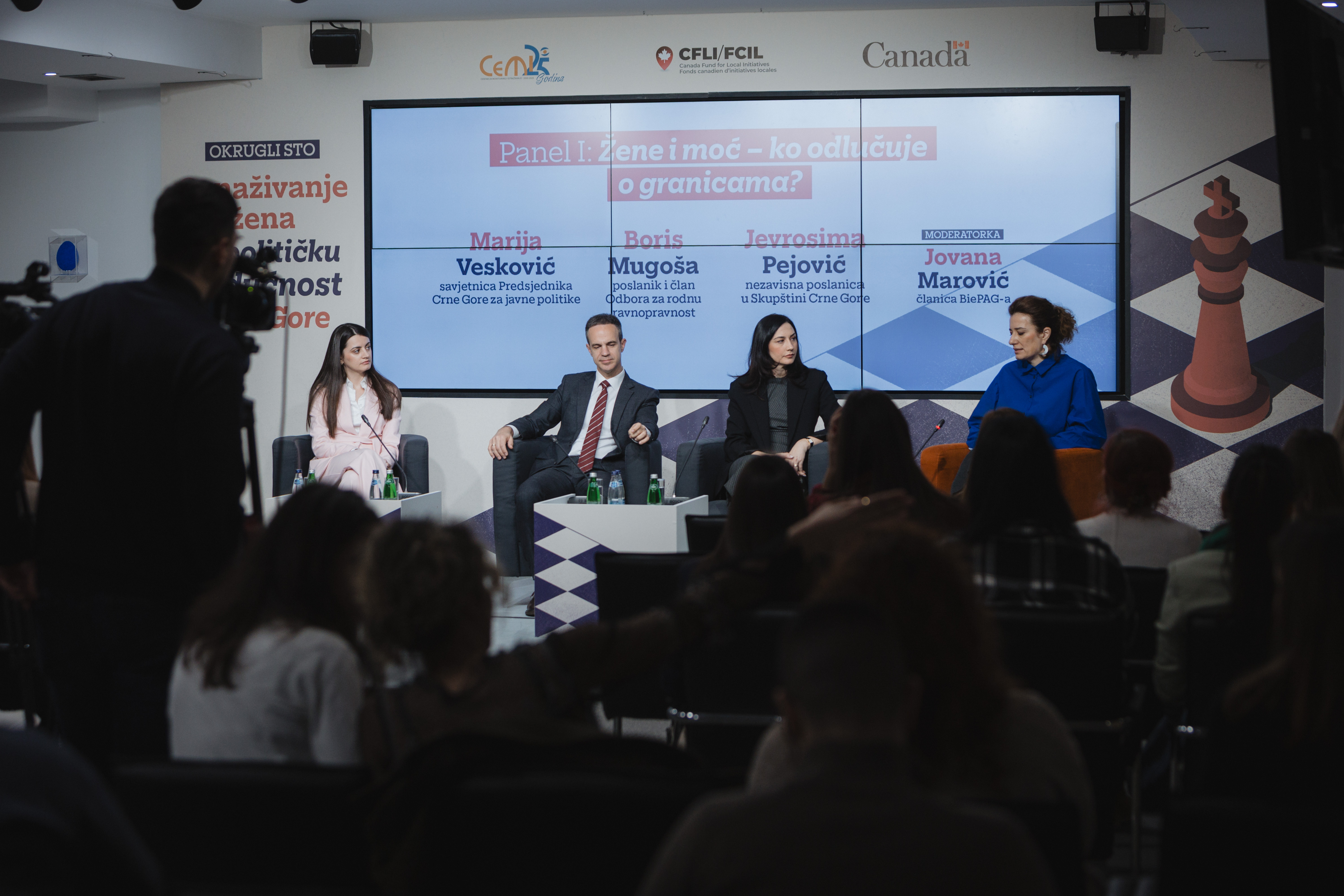
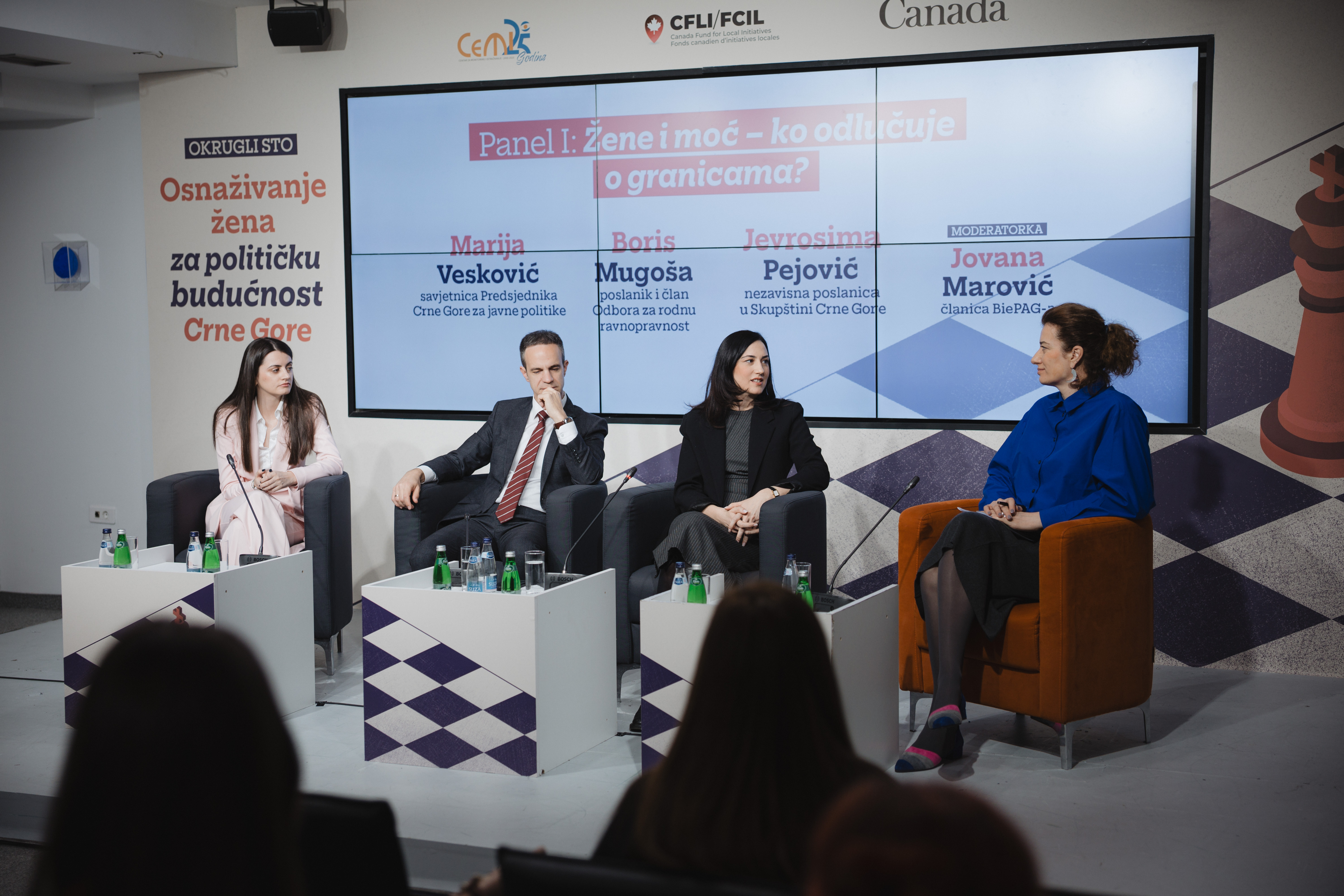
During the first panel, Women and Power – Who Decides on the Boundaries?, MP and member of the Parliamentary Committee on Gender Equality Boris Mugoša said that he publicly identifies as a feminist, emphasizing that by this he means advocating for full equality between women and men in all spheres of life: social, economic, cultural, and political.
“I am absolutely against violence, sexism, and misogyny. In that context, I consider myself a feminist,” he said, adding that he has often encountered negative reactions because of such views, especially from part of the male population.
Speaking about his engagement in the Women’s Club of Parliament, where he is an associate member, Mugoša emphasized that he believes the problems women face are not “women’s issues,” but human rights issues that concern society as a whole. He believes it is necessary to work together to create an environment in which women will not be discriminated against.
Speaking about electoral legislation, Mugoša assessed that the quota system has brought certain progress, but that it is insufficient. He also pointed to inconsistencies in the implementation of the law, such as the rule that a woman in parliament can only be replaced by another woman, but that this does not apply if the female candidate does not accept the mandate in the first place.
He believes that society too often remains focused on condemning sexist and misogynistic attacks, while substantive changes are lacking.
“We have created an environment in which there is almost a daily need to react to such occurrences,” Mugoša said, adding that stronger and more systemic action is necessary.
Mugoša emphasized that politicians should not tailor their views solely based on anticipated public reactions, making compromises with their own convictions. He pointed out that quality often remains in the minority, but that this does not mean one should give up the fight for the values they believe in.
He believes that greater involvement of men is crucial in the fight for gender equality.
“Only together, with patience and mutual understanding, can we move society forward,” Mugoša concluded.
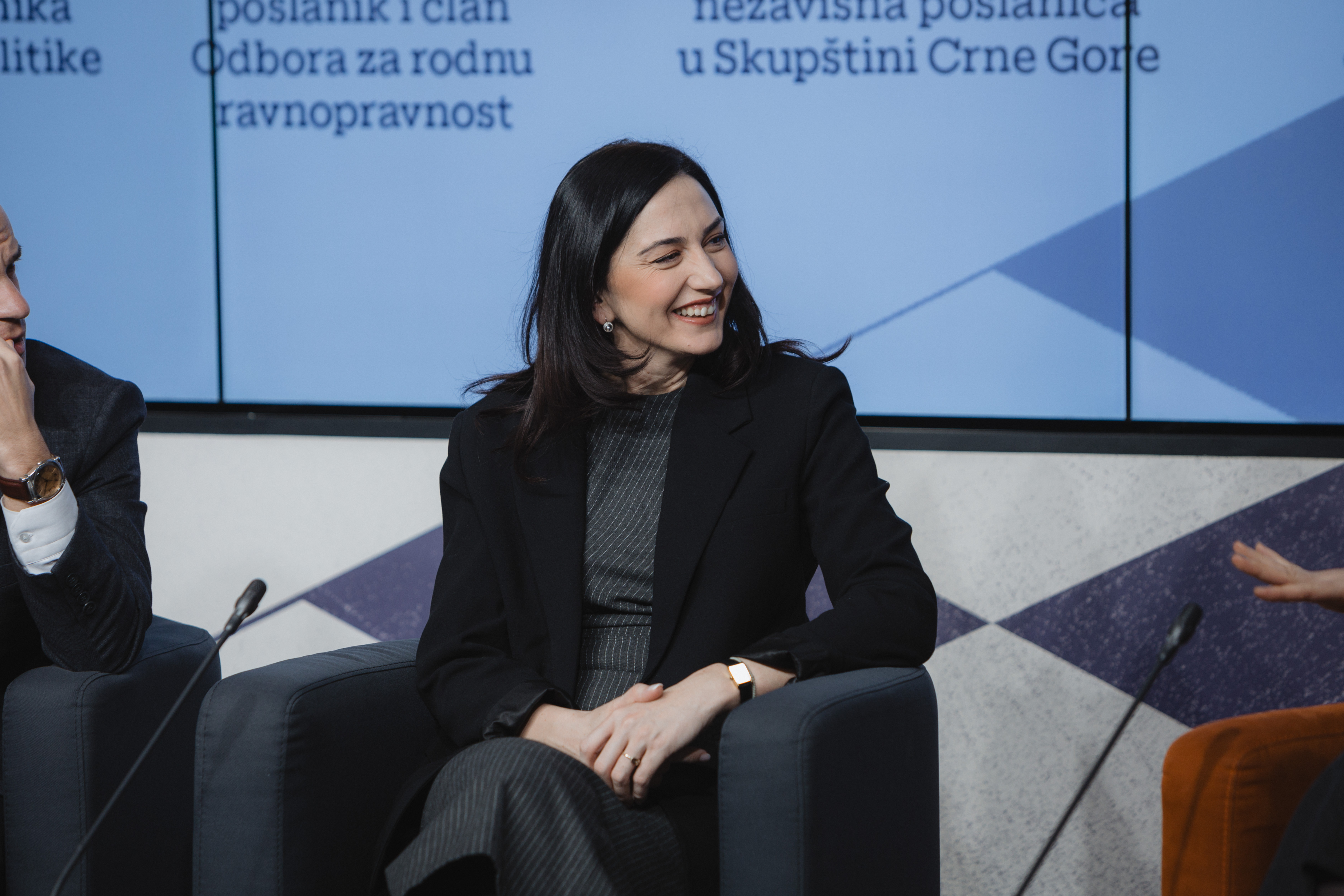
Independent MP in the Parliament of Montenegro, Jevrosima Pejović, stated that in the current social environment, few can be satisfied with the actual position of women in politics.
Pejović said that it is difficult for her to speak about her personal contributions, but that she considers it important that, as a young woman, she holds positions that are traditionally reserved for men. She recalled that she is the Vice-Chair of the Committee on Security and Political Affairs in the OSCE Parliamentary Assembly, as well as a member of the Defence and Security Committee in the Montenegrin Parliament.
“It took me some time to fully realize what an achievement that is,” Pejović noted, adding that she has received support and recognition of the importance of her work from colleagues from other countries, as well as from women who reach out to her with messages of support.
She emphasized that the topic of gender equality must not be isolated as exclusively a “women’s issue,” stating that equality implies joint action by both women and men.
Speaking about the limitations women face, Pejović assessed that it is hypocritical to talk about progress solely through the figure of 40 percent of women in Parliament, if at the same time basic rights for female MPs do not exist. She gave the example that a female MP who experiences a miscarriage is not entitled to sick leave.
“We cannot speak of fulfilled quotas if we do not have the capacity to fight for rights that every other woman in society has, but female MPs do not,” Pejović stated.
She also pointed to political pressures, unequal working conditions, and, as she noted, the existence of informal solidarity among men in positions of power, especially when they perceive a woman as a serious threat.
She also referred to strategic documents in the field of gender equality, assessing that there are many of them, but that their concrete implementation and a realistic assessment of the situation in society are often lacking.
Speaking about the perception of politics, Pejović said that the constant portrayal of politicians as immoral and “all the same” does not contribute to society.
She emphasized that politics should not be dirty and that responsibility also lies with citizens to get involved, instead of remaining on the sidelines and merely criticizing.
“If good, ethical, and professional people withdraw, then we create an environment in which politics remains exactly as we criticize it,” Pejović concluded.
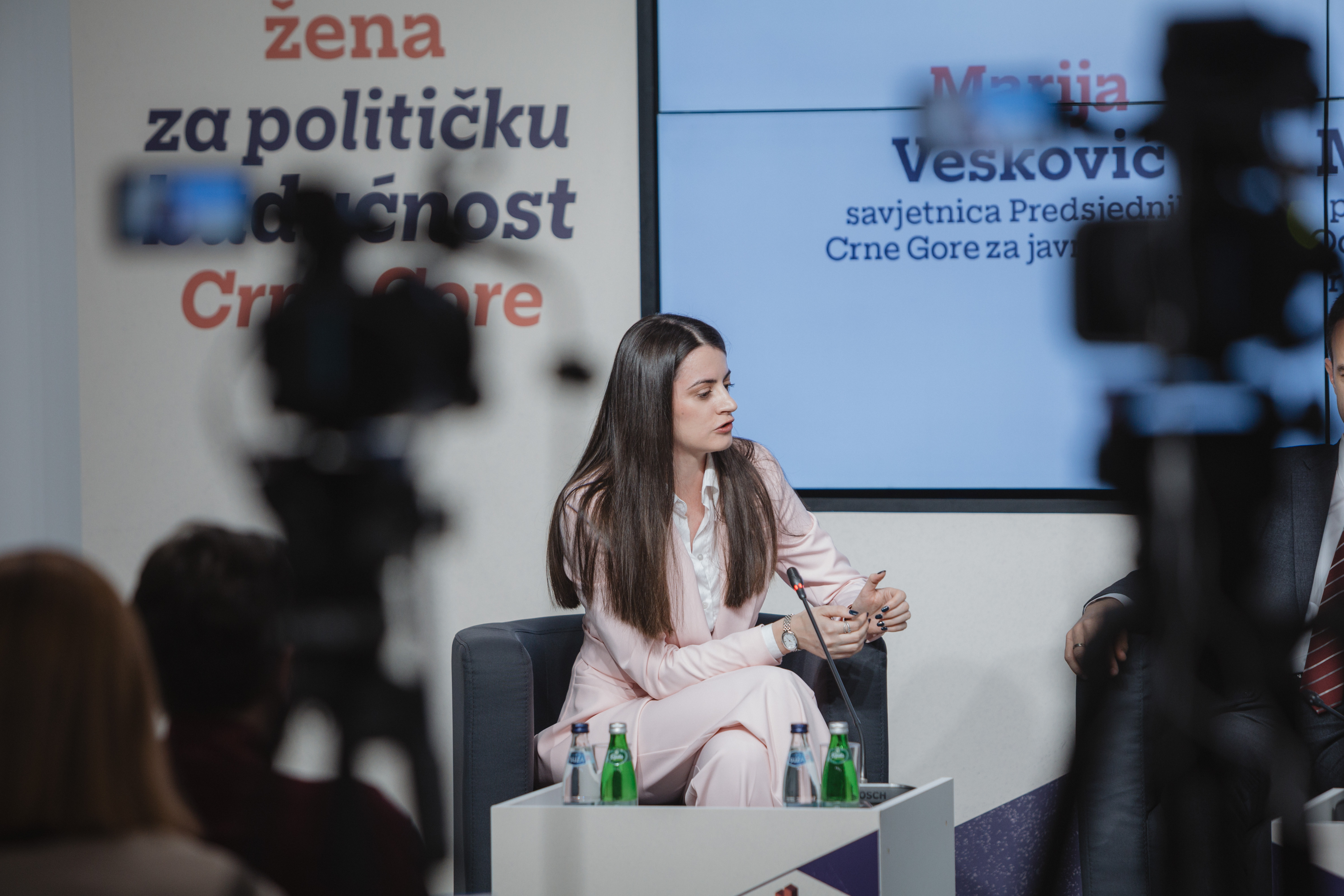
Advisor to the President of Montenegro for public policy, Marija Vesković, stated that the key problems in the field of gender equality do not lie in the adoption of laws, but in their implementation.
Speaking about women’s political participation, she recalled that one of the three key proposals that the President’s office submitted to Parliament was the introduction of full gender equality on electoral lists based on a 50–50 principle.
“We have achieved some progress from 30 to 40 percent, but that still does not mean that the composition of Parliament will truly reflect the state of society,” Vesković emphasized.
She pointed out that political parties often formally comply with the rules, but place women in positions from which they have little chance of winning a mandate.
“You may formally comply with all the rules, but in a subtle way you discriminate against women by placing them in positions from which it is not realistic for them to actually win mandates,” Vesković said.
Speaking about open electoral lists, she assessed that they may not bring a “revolution in the first electoral cycle,” but that they represent an important step forward.
“Open electoral lists require each candidate to be more engaged in the campaign. They will lead to greater exposure of women and their increased visibility,” Vesković stated, adding that this also brings greater exposure to attacks.
She emphasized that female candidates who win a mandate thanks to direct voter support have stronger legitimacy.
“When she enters Parliament based on open electoral lists, she does not owe her legitimacy to someone who placed her on the list, but to those who elected her – the citizens,” Vesković said.
She concluded that reforms such as full gender equality, open lists, and independent candidacies should not be dismissed simply because they seem demanding.
During the second panel, Women in Politics – The Price of Voice and Disobedience, civil activist Dina Bajramspahić stated that progress in the field of gender equality is still insufficient, despite numerous initiatives.
Speaking about the security sector, she said that obstacles and prejudice against women in that field are much more pronounced.
“The security sector is a space of sexism, homophobia, a space where force and power are the norm in the most radical way,” Bajramspahić said, adding that human rights in that sector are often perceived as an obstacle rather than a standard.
She recalled that she has been working in that field for 17 years and assessed that she is not sure that it is easier today for young women to enter the sector, because, as she said, negative patterns of recruitment and insufficient democratization of institutions are still being recorded.
Bajramspahić also pointed to attempts to discredit those who deal with security and rule of law issues, citing an example when her colleague was accused of working for organized crime groups because of her principled stance.
Responding to a question about the challenging of expertise, Bajramspahić said that she believes women must be “ten times better” in order to be recognized as equal in discussions.
“We need to make a distinction between whether criticism comes because of our personal shortcomings or because of the patriarchal belief that women lack abilities,” Bajramspahić said.
She emphasized that women should not be spared criticism, but that it is important that criticism be directed at the substance of public policies, rather than personal characteristics.
“In our society, women are criticized because of their appearance, the color of their voice, whether they are married or not, whether they have given birth or not, and not because of the content of their views,” Bajramspahić believes.
She also assessed that patriarchy is not exclusively a male problem, but that women are often its carriers as well.
“Patriarchy is a spectrum. Even those of us who are feminists are also patriarchal to a certain extent. Every woman has to work on herself to stop reproducing such behavior,” Bajramspahić concluded.
Biljana Zeković, Executive Director of the SOS Hotline Podgorica, stated that violence against women is more visible today, but also more brutal.
“If you had asked me this question five years ago, I would have said that we do not have a drastic increase in violence, but that women are more empowered to report it. However, what has characterized the recent period is that violence is becoming more brutal and that we are seeing completely new phenomena that are not adequately defined by law,” Zeković said.
She emphasized that the problem of proving violence is still present because, as she stated, in practice it happens that “the victim has to prove that she is a victim,” while the values of the system are reversed.
Speaking about women in politics, Zeković drew a parallel with domestic violence.
“All the methods and techniques of abuse that exist in violent families — belittling, questioning moral credibility, mental abilities, sexualization — can also be recognized in the treatment of women in politics,” Zeković said.
She emphasized that the difference is that domestic violence is directed at one woman, while violence against women politicians is a message to all women.
“Everything that happens to one woman on the public scene is directed at all women in Montenegro. The message is clear — this is not your place,” Zeković assessed.
She pointed out that many women give up more active political engagement precisely because of such an environment.
She also pointed to the strong influence of patriarchy in society, including among educated and professionally accomplished people, as well as the need for greater knowledge and education on gender equality.
She particularly criticized systemic solutions which, as she stated, return women to traditional roles without adequate institutional support.
“The easiest thing is to extend parental leave, while we do not have enough nurseries and kindergartens. In this way, a woman remains outside the labor market and later bears the consequences for her education and career,” Zeković said.
She added that a woman’s career is often wrongly interpreted as an ambition for high-ranking positions, although it actually implies the right to work in the profession she was educated for and wants to pursue.
She concluded that the price of political engagement for women is high, especially if they do not have family support, because they often face labeling as “bad mothers,” which, as she stated, is one of the harshest social condemnations.
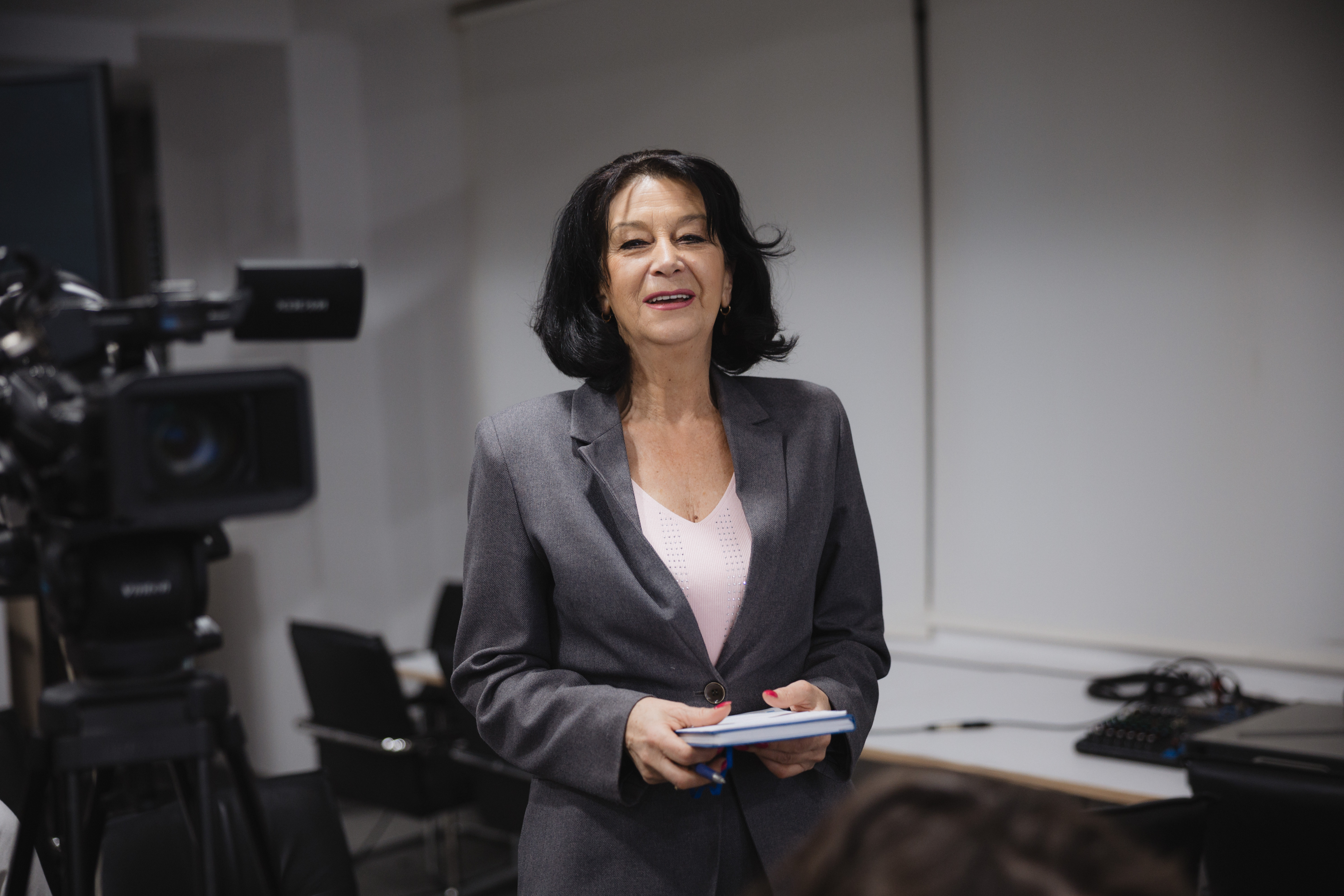
The panels were moderated by BiEPAG member Jovana Marović.
The event was organized as part of the project “Overcoming Gender Bias and Strengthening Women’s Political Participation in Montenegro through Public Information, Capacity-Building Trainings, and Advocacy for Gender Representation,” implemented by CeMI with the financial support of the Embassy of Canada through the Canada Fund for Local Initiatives (CFLI).